In brief
As Europe swelters under an intense heatwave, reports indicate that two individuals have tragically died in Italy due to the extreme conditions. A 47-year-old man fell ill while working at a construction site in Bologna, while a 70-year-old drowned during flash flooding at a resort near Turin. The situation has escalated further with 21 cities across Italy—including major hubs like Rome, Milan, and Venice—issued the highest weather alert due to soaring temperatures.
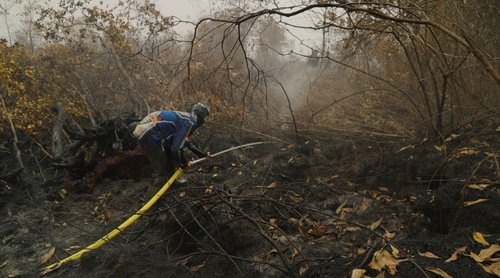
In southeastern regions of Europe, Spain and Portugal recorded their highest June temperatures with temperatures soaring to 46C (114.8F) in El Granado, Spain. The Portuguese city of Mora reported a staggering 46.6C, potentially setting a new national record for the month. In France, cities faced both their hottest days and nights on record for June, prompting the government to activate a red alert across 16 regions, including the Paris area. The Ministry of Education announced temporary closures for 1,350 public schools in response to the heat.The intensity of this heatwave has reignited discussions about its impact on public health and environmental conditions. In Italy's Tuscany region, hospital admissions saw a significant increase of 20%. Authorities have advised residents in 13 regions against outdoor activities during peak heat hours, while construction work has been restricted during the hottest parts of the day.Meanwhile, Turkey has reported mass evacuations of over 50,000 people due to widespread wildfires in the western province of Izmir, alongside several other regions. Thousands of firefighters are currently deployed to combat numerous wildfire outbreaks.As the scorched continent grapples with the devastating effects of this heatwave, experts have warned about the growing frequency and intensity of such weather events linked to climate change. Richard Allan, a Professor of Climate Science at the University of Reading, noted that increased greenhouse gas levels are making it increasingly difficult for the planet to regulate heat, leading to extreme conditions.The ramifications of rising temperatures are far-reaching, affecting not just individuals but also the environment itself. Higher temperatures in the Adriatic Sea have triggered worries about invasive species, while alpine glaciers are already under extreme stress, highlighting the urgent need for climate action.With continued reliance on fossil fuels and unsustainable practices, the threats posed by heatwaves like this one are expected to worsen, corroborated by warnings from UN officials about the intersecting crises of human rights and climate change.