In brief
Viktor Orban, Hungary's long-serving Prime Minister, is under intense pressure as he faces a tough electoral battle against the opposition Tisza party, which currently leads in the polls. Concerns about corruption, alleged voter intimidation tactics, and changing public sentiment against ruling elites present significant obstacles for Orban ahead of the crucial election on April 12. Characterized as a key figure in Europe's populist movement, the repercussions of his potential defeat could have wide-reaching implications for right-wing politics across the continent.
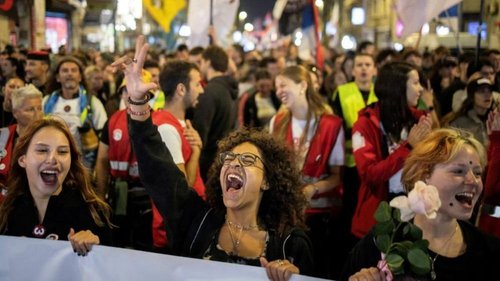
All they stand for is anger, hatred, and destruction, railed Viktor Orban, the Hungarian Prime Minister, during a rally in Györ on March 27, 2026. His outburst, a departure from his usual composed demeanor, came in response to opposition protesters who branded his party Fidesz with derogatory chants.
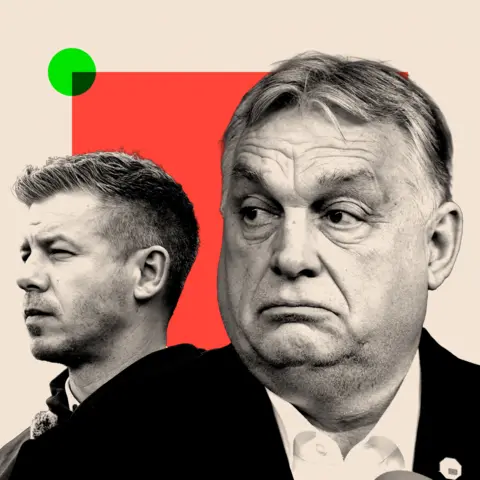
As the April 12 elections draw near, Orban finds himself in a precarious position. Opinion polls show Peter Magyar and the opposition Tisza party outpacing Fidesz significantly, with recent figures indicating Tisza at 58% against Fidesz's 35%. This stark contrast has triggered a tactical shift, forcing Orban to increase his public engagements after a low-profile campaign strategy in previous elections.
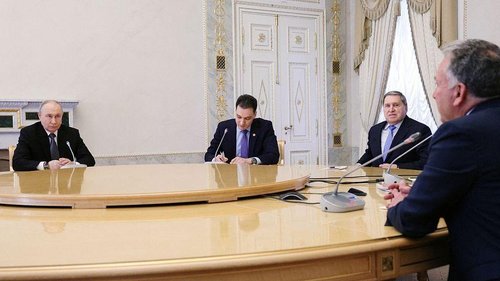
Orban, who has been in power since 2010 and has garnered support from global figures like Donald Trump and Vladimir Putin, must now contend with a shifting electorate that increasingly views him and his party as representative of the corrupt elite.
Experts indicate that public perception of Fidesz is deteriorating, with many constituents, particularly the youth, associating the party with the deeply entrenched political establishment. Furthermore, allegations of corruption surrounding the government's dealings and direct benefits to close allies have raised suspicions among voters.
Political commentator Endre Hann notes that January's optimism for Fidesz's chances has turned into a belief in Tisza's potential victory—an indication of waning trust in Orban.
The implications of a defeat for Orban extend beyond Hungary, potentially impacting the wider European nationalist movement that he represents. Michael Ignatieff, former rector of Central European University, has characterized the election as a referendum on Orban's illiberal governance model.
In contrast, Peter Magyar, a former Fidesz insider turned opposition leader, has swiftly distilled his campaign into a populist call for domestic reform, focusing on community issues that resonate with the populace. His rallies have generated substantial turnout, contrasting starkly with Orban's previous electoral strategies.
As the elections approach, shaky alliances, media portrayals, and shifting public sentiment all underscore the precariousness of Orban's time in office. Both the electorate and the opposition are poised to challenge longstanding narratives as Hungary prepares for one of its most consequential elections in years.