In brief
Germany has escalated accusations against Russia, alleging a cyber-attack on its air traffic control and attempts to influence recent federal elections. The German foreign ministry connects the attacks to Russian military intelligence. In response, Russia has dismissed these claims as absurd. As tensions rise in Europe over cyber threats linked to Russia post the Ukraine invasion, Germany pledges counter-measures to address what it calls Moscow's hybrid actions.
Germany has accused Russia of a cyber-attack on air traffic control and attempted electoral interference, summoning the Russian ambassador to clarify the situation.
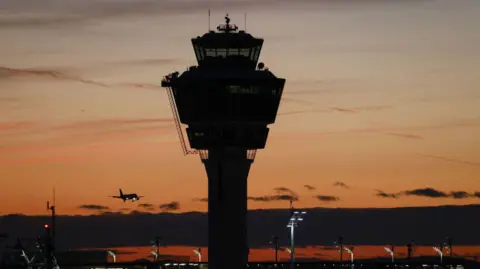
A spokesperson from the foreign ministry stated that Russian military intelligence was responsible for a cyber-attack against German air traffic control in August 2024. Additionally, Russia is accused of attempting to influence and destabilize Germany's federal election held in February this year.
This development arises amid increased concerns across Europe regarding suspected Russian cyber-attacks, particularly since the full-scale invasion of Ukraine in 2022.
Russia has firmly rejected these allegations, describing them as absurd. The Russian embassy in Berlin asserted that claims linking Russian state structures to these cyber incidents are baseless and unfounded.
The German foreign ministry indicated that Berlin, in coordination with European partners, plans to implement counter-measures to make Russia face consequences for its hybrid actions.
Over the past year, both the UK and Romania have also accused Russia of meddling in their domestic affairs, particularly targeting organizations providing support to Ukraine and influencing presidential elections.
The August cyber-attack on Germany is attributed to the Fancy Bear hacker group, formerly linked to significant past cyber incidents, including data leaks from the World Anti-Doping Agency.
In statements, the German government noted that security agencies detected fake videos alleging ballot manipulation, part of a Russian disinformation campaign just prior to the elections.
Despite this tension, relations between Germany and Russia have been souring well before the Ukraine invasion, with past incidents, including a high-profile assassination on German soil attributed to Russian operatives.
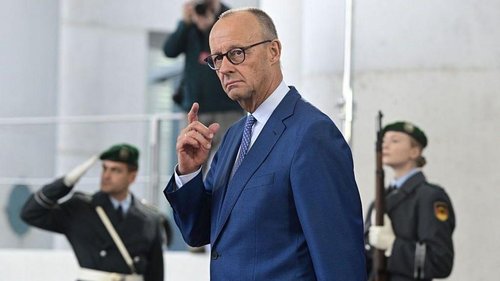
Chancellor Friedrich Merz has vocally supported the usage of frozen Russian assets to aid Ukraine and accused Russia of engaging in cyber warfare against Germany.