A New Era of Coordination
The United States and Japan confirmed a joint intervention in the foreign‑exchange market that snapped the yen’s fall to a fresh 40‑year low.
The move is the first coordinated action since 2011, when the two nations intervened after the devastating earthquake and tsunami that battered eastern Japan.
Japan’s Finance Ministry said the Tokyo‑based Bank of Japan rolled out a 59‑billion‑US‑dollar purchase of yen, buying back market positions seized during New York trading sessions.
At a cabinet meeting on Friday, Treasury Secretary Scott Bessent’s notes were photographed in front of a notepad that read: "To Do: Buy Japanese Yen $5‑10 bn", confirming Washington’s role in the intervention.
After the intervention, the dollar slid to 157.07 yen, a slight dip from the 160‑plus peak, before climbing back to 157.70 yen following a statement from Japan's finance ministry.
"The United States agreed to participate," said Shigeto Nagai, head of Japanese economics at Oxford Economics, adding that the move serves Washington’s interests and will deter speculators.
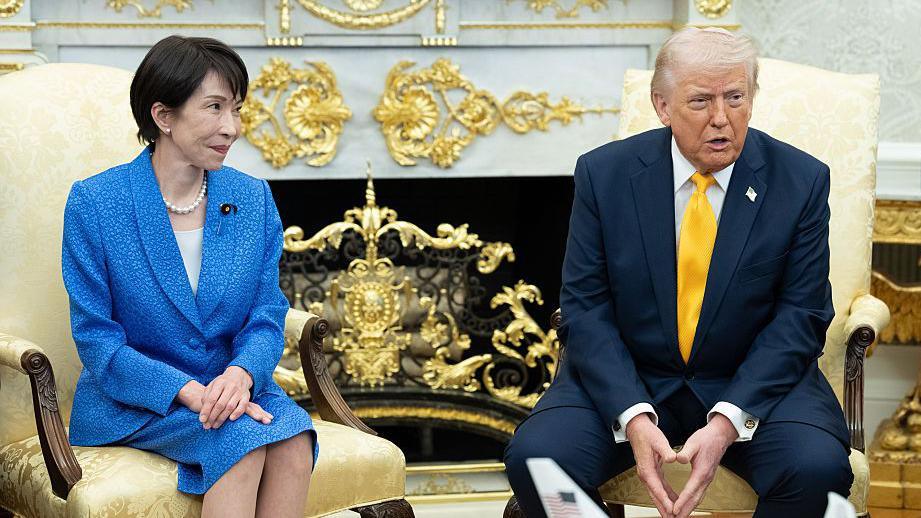
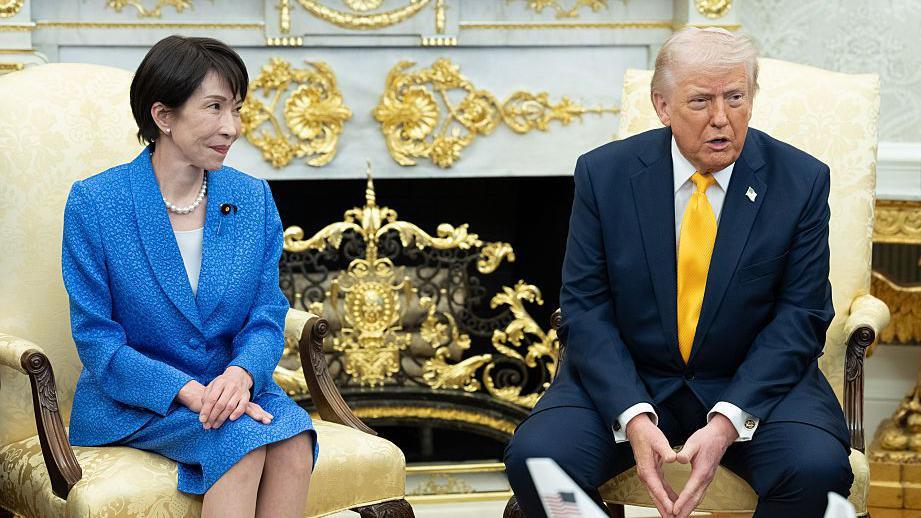
President Trump echoed the sentiment, telling reporters that "America will always back Japan’s decisive market steps to correct the yen’s significant undervaluation."
Both governments have signaled a willingness to intervene intermittently in the future, aiming to keep volatility in check without imposing large-scale market disruptions.
The yen’s weakness is partly due to Japan's lower interest rates compared to the U.S. The Bank of Japan recently raised its main rate to 1%, the highest level since 1995, following the U.S.’s 3.5–3.75% range.
Meanwhile, Japan continues to wrestle with a shrinking working‑age population, low productivity, and heavy dependency on U.S.‑priced energy imports.
The coordinated intervention exemplifies a growing partnership aimed at stabilizing the yen and preventing ripple effects on global markets.