In an isolated valley high in the Ecuadorian Andes, two short‑statured twins have drawn global attention for more than their stature. María Luisa and María del Cisne, both 40, share a rare inherited disorder – Laron syndrome – that blocks hormones that drive growth and may explain their unusually low rates of cancer and diabetes.
Laron syndrome in Piñas
The town of Piñas, with about 8,000 residents, has the highest concentration of people born with the condition in the world. The genetic mutation means their bodies cannot process the growth hormone that would normally trigger height increases, keeping them around 3.9 ft tall. Despite the challenges, the twins say that having one another and a supportive community helps them cope with the physical and social hurdles.
Studies show lower disease risk
Over a 22‑year longitudinal study, endocrinologist Dr Jaime Guevara and specialists at University of Southern California examined about 100 Laron‑syndrome patients and 1,600 nearby relatives of average height. None of the Laron patients developed diabetes, and only one case of non‑fatal cancer was recorded. In contrast, 5 % of the taller peers suffered from diabetes and 17 % had cancer, pointing to a protective effect linked to low IGF‑1 levels produced by the growth hormone pathway.
IGF‑1 and cell death
Dr Guevara suggests that IGF‑1 helps cancer cells resist apoptosis – a natural cell death process. When IGF‑1 is absent, as in Laron syndrome, cancer cells may be unable to flourish, potentially lowering cancer incidence. The twins’ enthusiasm for this theory drives their hope for future therapeutics that could replicate the syndrome’s protective mechanisms in people without the genetic condition.
The fight for treatment access
Increlex, a growth hormone–like drug developed 15 years ago, can raise height when given to susceptible children. However, it is expensive (over $800 per bottle, three bottles per month equating to $2,400) and only available from a single manufacturer, with usage restrictions for children aged 2 – 18 years. Residents such as Mayra Loaiza wait for their children to begin treatment, while the twins reflect on missing the optimal window yet find acceptance in their bodies.
Despite the promise, experts caution that the story is still evolving. Animal studies in mice and pigs are underway to untangle the full mechanisms, and the field aims to translate IGF‑1 modulation into cancer‑prevention breakthroughs.
Visual perspective
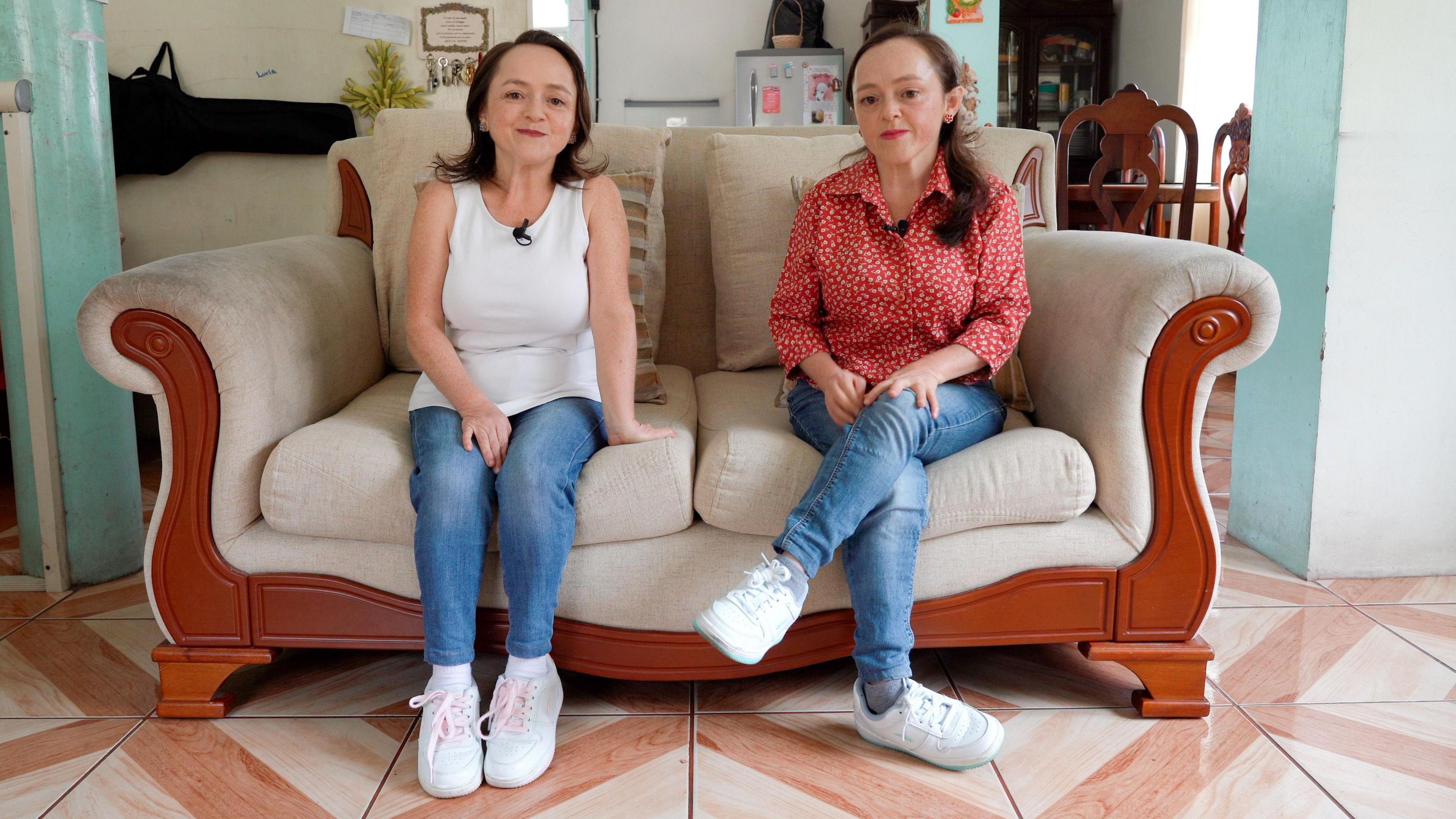
The photograph captures the twins in casual attire, illustrating the everyday challenges they endure alongside their inspiring resilience. Their story sparks conversations about genetic diversity, the intersection of rare diseases and common ailments, and how isolated communities can illuminate global health questions.