In brief
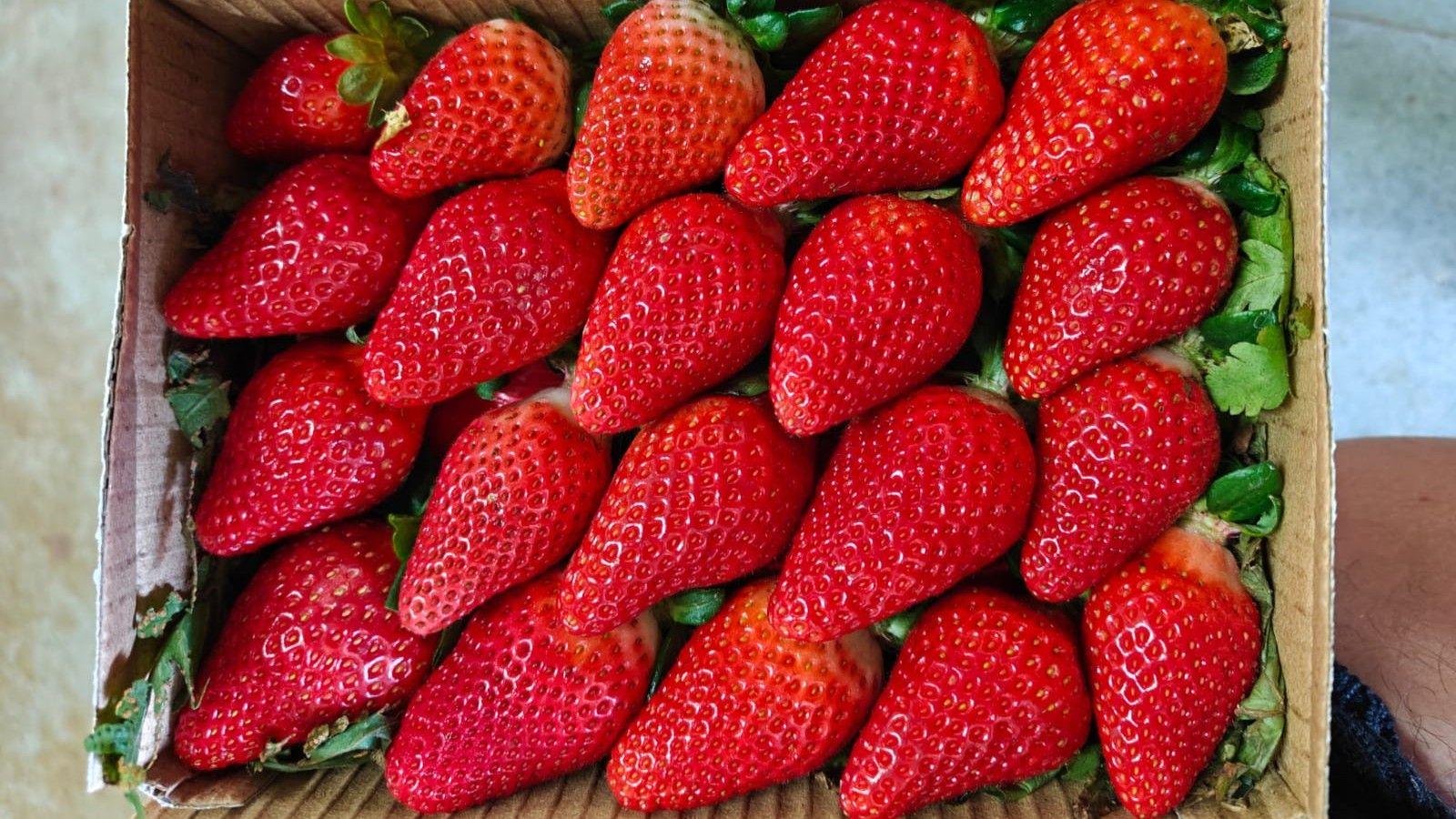
In western India, the hilly town of Mahabaleshwar supplies 85% of the country’s strawberries, yet farmers still rely on European and American varieties. Heavy rains and the need for expensive mother plants make berry‑growing a high‑risk venture. Novel hydroponics, drip‑irrigation and vertical towers are being tested to reduce losses, while the Bhabha Atomic Research Centre’s gamma‑irradiation trials aim to develop a climate‑resilient domestic strawberry within a decade.
In the western hills of Maharashtra, Mahabaleshwar’s mist‑clad slopes nurture 85% of India’s strawberry crop. The region’s high altitude and cool, light‑drained soils give berries a long growing season from November to March, yet farmers still face a precarious balance between risk and reward.
Most Indian strawberry farms buy mother plants from Californian, Floridian, Italian or Spanish breeders. Every year the growers pay roughly $2,500 (about £1,900) for a fresh stock of plants, each of which must be planted, nurtured and then replaced when it stalls. A sudden downpour can ruin the entire season, “the whole crop goes to waste,” says farmer Sheetal Danavle.
To insulate against weather, a handful of Indian growers have turned to hydroponics and advanced greenhouse systems. Tara Farms Fresh, owned by Nelson Sequeira, produces runner plants in plastic troughs filled with coconut‑husk‑derived coco‑peat, then waters them via precise drip and fogging arrays that keep a stable micro‑climate. The plants never touch soil, but the artificial setup reduces the risk of pests and disease.
Large farms are also experimenting with vertical towers that stack five pots in a single unit, allowing a density leap from 25,000 to 125,000 plants per acre. Ram‑shaped towers, monitored by weather‑AI systems in the farmer‑producer‑organisation, can even forecast rainfall so farmers can delay pesticide sprays, saving cost and protecting the crop.
Despite these innovations, Indian‐grown strawberries are still a long way from the United States and Europe’s robust varieties. Bhabha Atomic Research Centre’s research in partnership with Maharashtra’s Mahatma P. Vidyapeeth (MPKV) is attempting to accelerate a domestic, climate‑resilient cultivar by using controlled gamma irradiation on tissue samples. “The goal is a strawberry that matches foreign fruit in size and firmness while tolerating Indian heatwaves,” explains Dr Darshan Kadam.
In the short term, the research station is producing practice guides for planting schedules, fertiliser regimes and growth‑regulator applications tailored to Mahabaleshwar. Farmers such as Krishan Bhilare are adopting social‑media tours and direct‑sale models to cut the middle‑man, building a niche market while awaiting a home‑grown variety.