In brief
In the heart of Ecuador’s escalating drug‑crime crisis, police patrols led by BBC correspondent Orla Guerin uncover how local gangs, with ties to Mexican cartels and Albanian mafia, amplify the flow of cocaine siphoned from Colombia and Peru. The surge in violent crime has seen Ecuador’s murder rate swell to 9,200 deaths last year, placing it among the world’s deadliest nations. This report follows officers into the most dangerous zones, shedding light on the tactics used to dismantle gang networks and the pressure placed on law‑enforcement. As drug trade networks grow bolder, the nation stands on the brink of a public‑health and security emergency that demands urgent domestic and international action.
The BBC’s Orla Guerin joins forces with Ecuador’s police to navigate the city’s most dangerous districts, where a colossal surge in drug crime threatens to drown the state’s progress. More than 70% of the country’s cocaine is shipped from neighbouring Colombia and Peru – the two top producers – before local gangs, linked to Mexican cartels and Albanian mafia, ferry the drugs northwards.
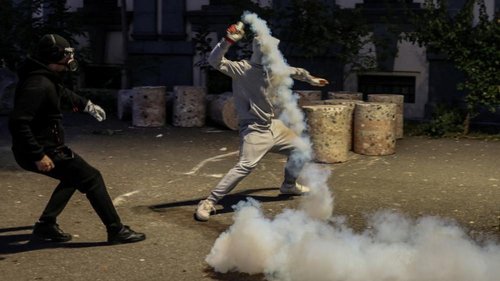
Last year, the interior ministry counted over 9,200 homicides – a murder rate that ranks Ecuador among the world’s deadliest. Police slog through high‑risk neighbourhoods, confronting armed groups that use every available means to crush dissent, extort locals, and ensure the drug flow continues unhindered.
The footage captures officers moving through cramped alleys, barriers broken, and streets that have become breeding grounds for violence. The report also outlines the growing pressure on law‑enforcement, with more officers deployed to enforce a heavier crackdown and counter‑drug measures despite limited resources and rising fear.
Why It Matters
Ecuador’s situation illustrates the ripple effect of the global drug trade – local economies become fuel for violent gangs that are only a edge away from international cartels. The crisis not only erodes safety for ordinary citizens but also destabilises regional cooperation between South American countries that share the same trafficking arteries.
This is a call for heightened security coordination, community policing, and increased funding for crime‑fighting departments, and requires international partners to step in as the drug routes continue to evolve.
For continuous updates, follow the My News feed and engage with local experts on PulseWire’s interactive discussion board.