Iran’s parliament speaker Mohammad Bagher Ghalibaf warned the United States that the “rules of the game have changed” and that any further attacks would trigger a faster, heavier, and more painful response. He urged Washington to understand the new realities “before it is too late.”
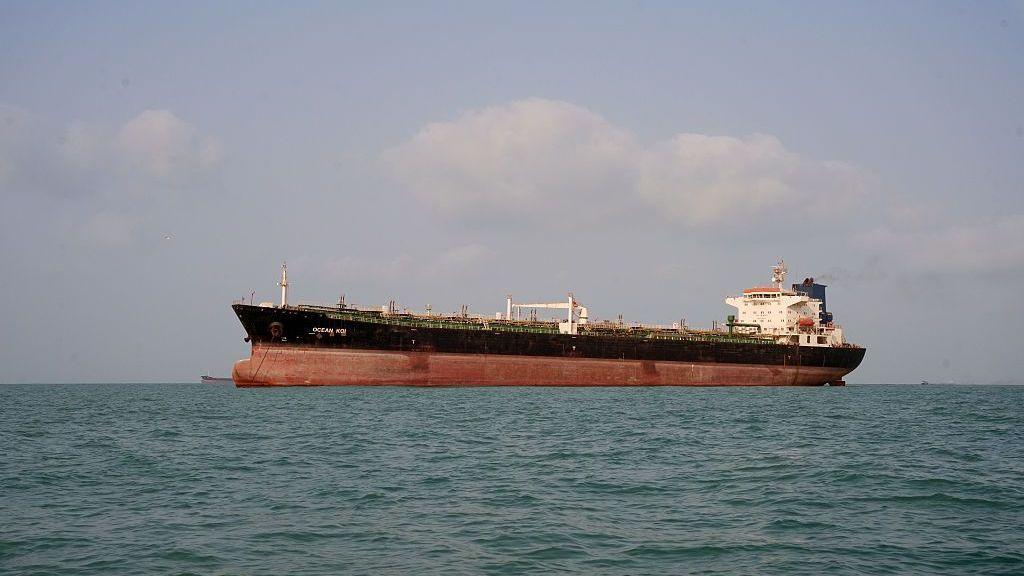
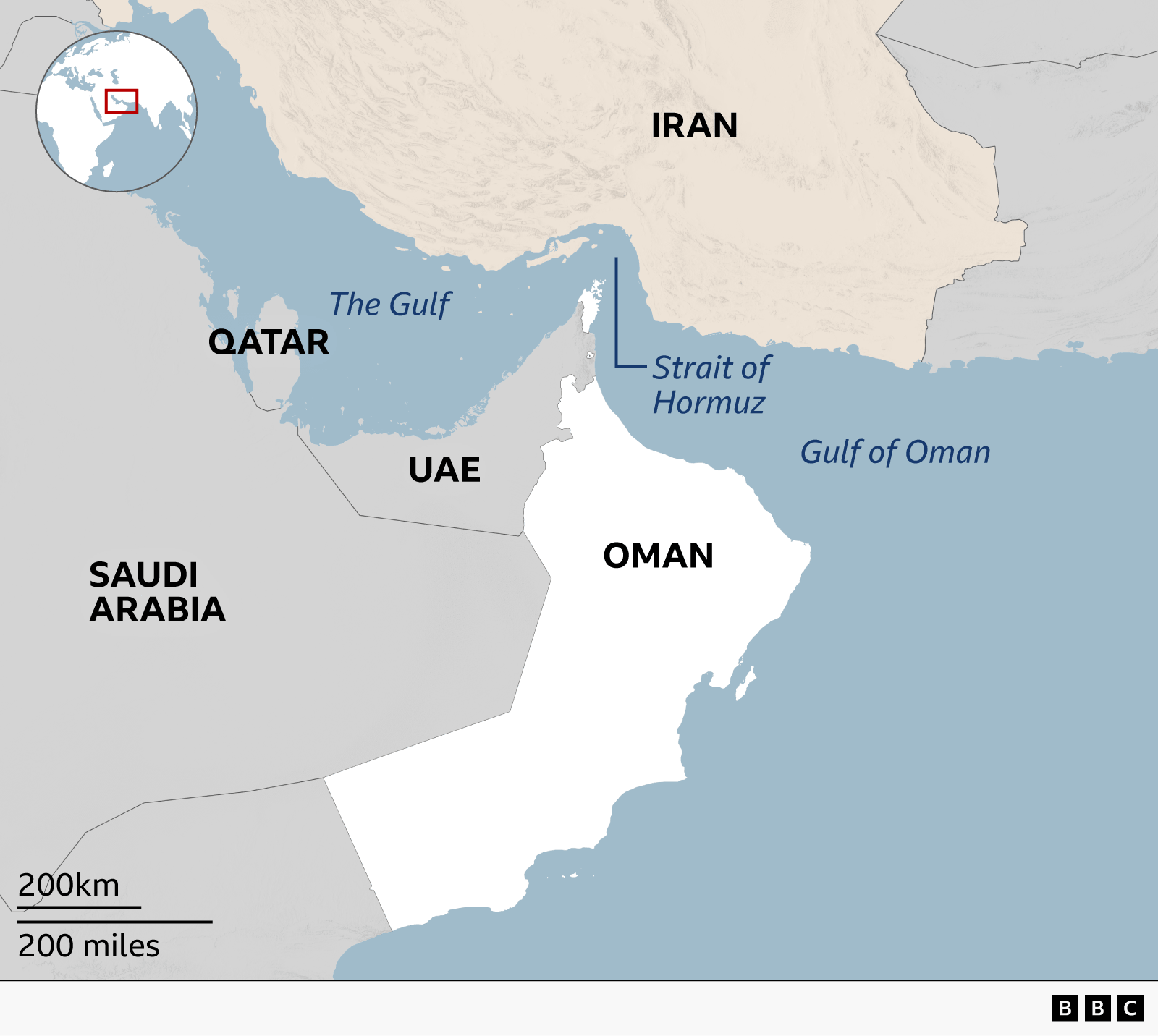
The warning arrives a day after U.S. Central Command (Centcom) released footage of a strike on Iranian‑linked oil tankers in the Strait of Hormuz, a crucial artery for global energy supplies. The images show bombardment targeting several vessels, sparking intense debate over the legal and strategic implications of the strike.
Iranian state media reported that the Iranian Navy had attacked an American remote‑controlled vessel that allegedly attempted to enter the Strait. U.S. military spokespeople, such as Captain Tim Hawkins, have labeled the claim a “total lie,” and the U.S. has denied any interception of its maritime assets.
Defense Secretary Pete Hegseth has openly threatened retaliation on social media, stating, “If Iran shoots at US ships, we will destroy (and sink) their oil tankers.” These remarks add a new layer of urgency to the escalating conflict, amplifying the potential for widespread maritime hostilities.
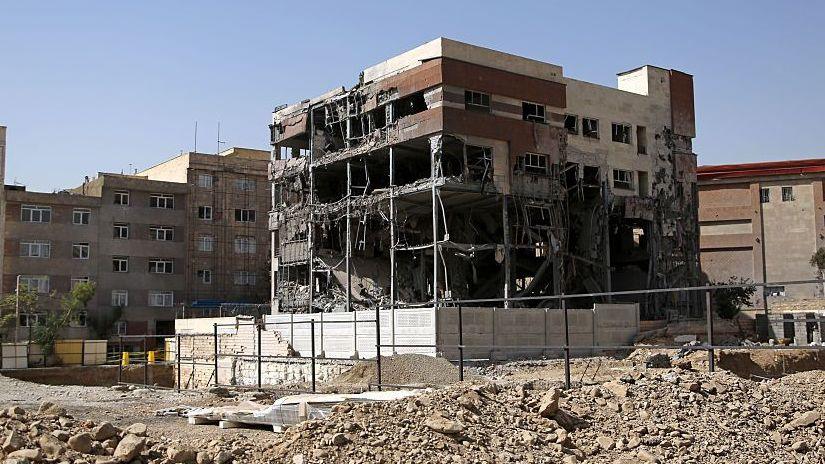
The 60‑day ceasefire that had temporarily de‑escalated tensions expired last month, and fighting has since intensified. U.S. forces have launched multiple strikes on Iranian targets, while Iran has mounted retaliatory actions against U.S. ships in the United Arab Emirates, Bahrain, Kuwait, and Jordan.
The Strait’s closure has already pushed gas prices worldwide higher, and the U.S. is closely watching the ripple effects as the midterm elections approach. Energy Secretary Chris Wright noted that roughly nine million barrels of oil a day flow through the Strait, and that pipelines in the region may help mitigate the financial strain on American consumers.
As the situation evolves, PulseWire continues to provide breaking updates, crowdsourced verification, and live event maps to keep our readers immediately informed. Stay tuned for real‑time developments on the Gulf’s hot spot and their global implications.