In brief
In a recent public statement, President Trump derogatorily referenced California Governor Gavin Newsom’s dyslexia, invoking outrage among dyslexia advocates and individuals who identified with the struggles associated with learning disabilities. Trump's comments, deemed ignorant and harmful, threaten years of progress made in fighting stigma around dyslexia and have prompted reactions from both supporters and critics alike.
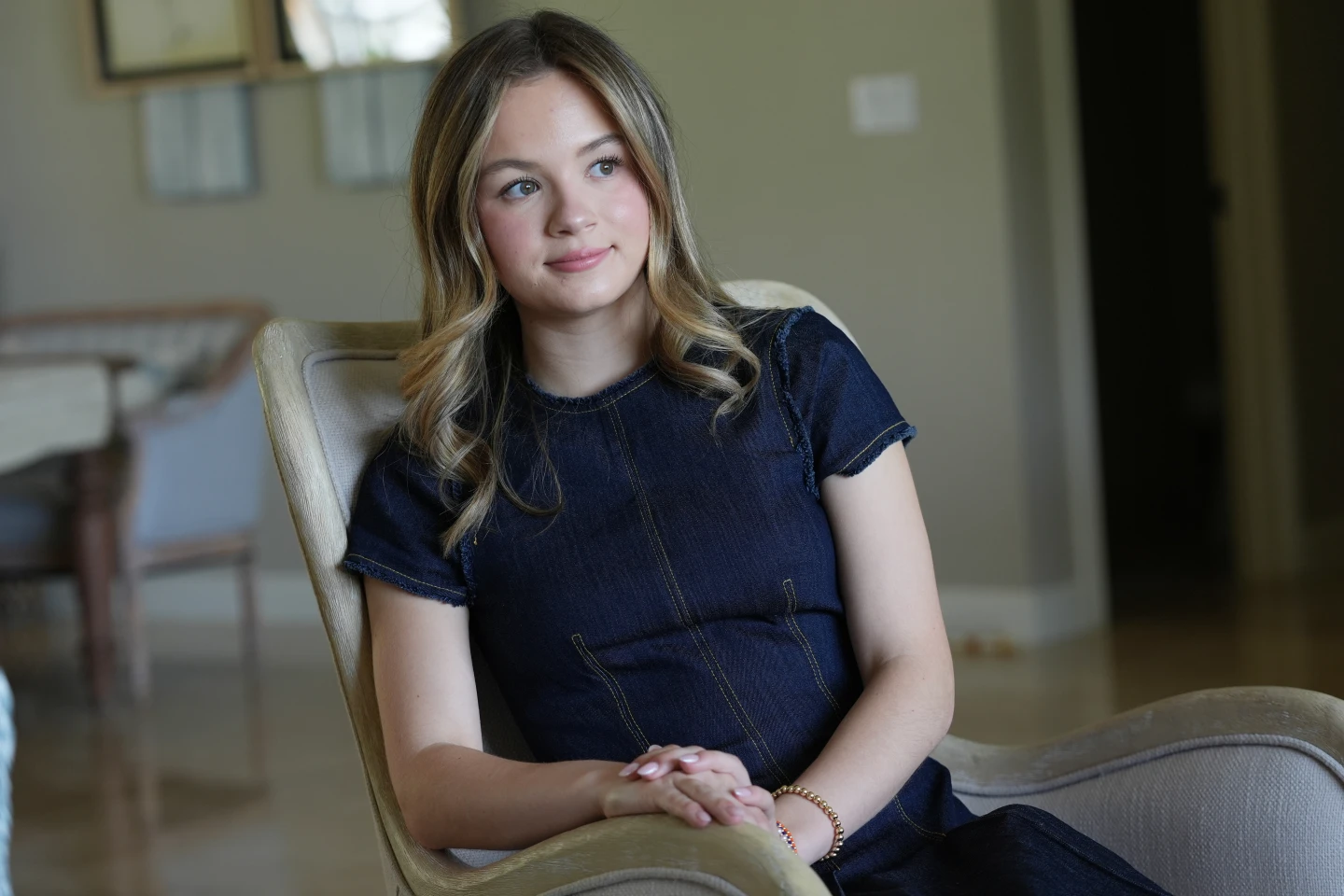
WASHINGTON (AP) — Lauryn Muller was scrolling on social media when she saw a clip of President Donald Trump belittling California Gov. Gavin Newsom for having dyslexia. It stirred a well of emotion for the 18-year-old Muller, bringing back memories of her own struggles learning to read and the times she felt something was wrong with her.
Trump called Newsom 'stupid,' 'low IQ,' 'mentally disabled' and unfit to become president. Muller knew it was part of a political feud — Trump is a Republican and Newsom is a Democrat expected to run for the White House in 2028 — but Trump's words felt personal.
“We’ve had to overcome so many deficits, and for someone to, on a national stage, say, yeah, they will never be like us — that definitely came as an emotional sting to me,” said Muller, an incoming student at Auburn University whose dyslexia was identified as a child.
This incident adds to Trump's ongoing pattern of disparaging foes and mocking disabilities. His comments undermine years of progress against dyslexia's stigma, impacting millions of individuals.
Among dyslexic individuals, Trump's remarks elicited feelings ranging from outrage to sadness, cutting across political lines. Muller’s mother, Marilyn, a literacy advocate, expressed her disappointment, stating that it worked against her efforts to support dyslexic individuals.
“It was probably one of the more ignorant comments I have ever heard come from his mouth,” said Marilyn Muller.
A learning disability often misunderstood
Trump’s remarks contradict an extensive body of research showing no correlation between dyslexia and intelligence. Dyslexia affects the connection between the brain and written language, often emerging during childhood.
Newsom has openly discussed his dyslexia in various forums, highlighting its struggles but also the unique skills he developed as a result.
Trump’s comments prompted little pushback from his party, with some past presidents believed to have faced similar challenges. Advocacy groups caution that such stigmatizing language could reverse hard-won improvements for those with learning disabilities.
Call to Action
Individuals affected by dyslexia, like Lia Beatty, emphasize the importance of pushing back against harmful stereotypes perpetuated by such high-profile statements. The broader community continues to call for better understanding and support for those grappling with dyslexia.