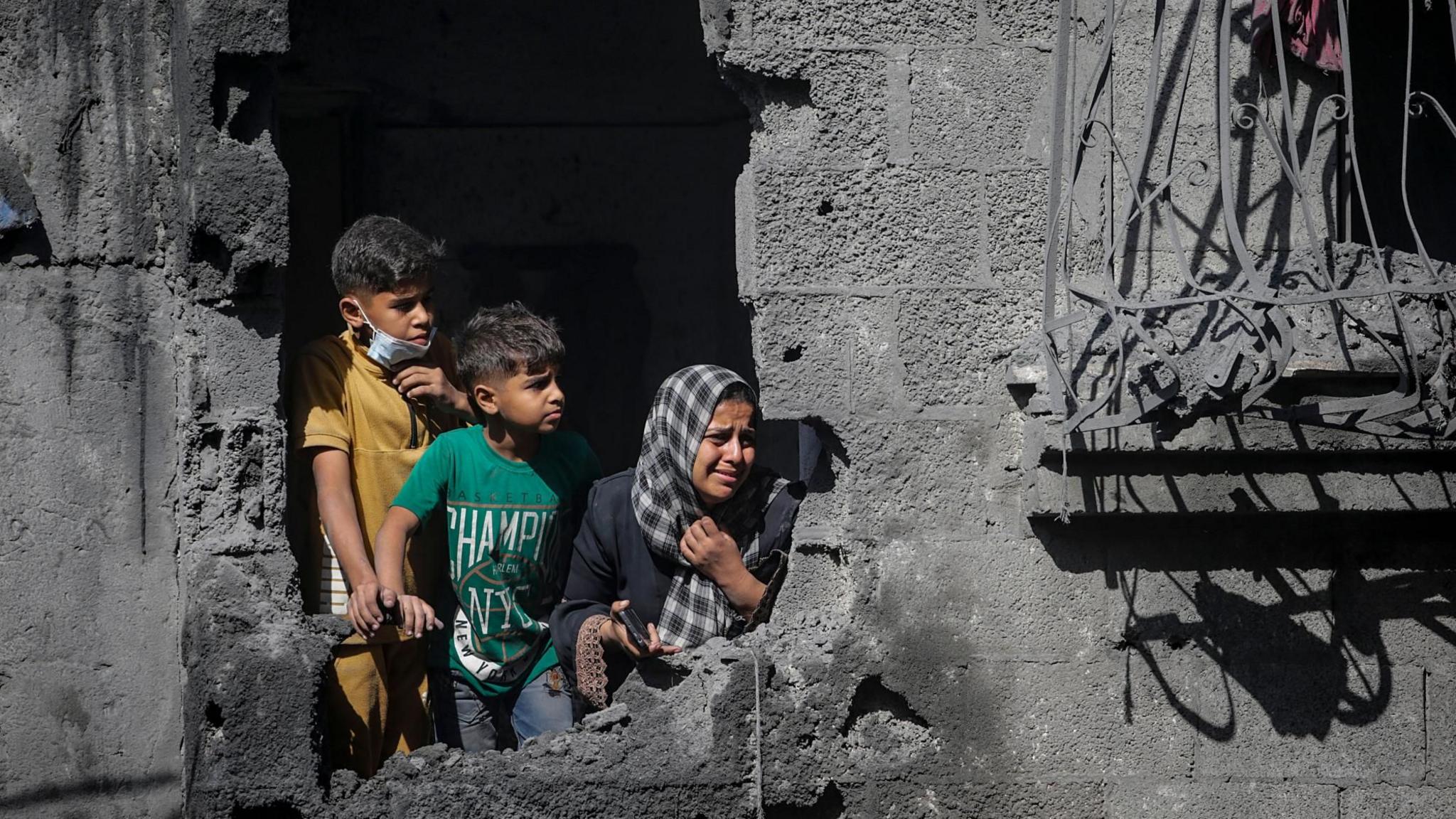
Together we are in a position to… end decades of suffering, stop generations of hatred and bloodshed, and forge a beautiful, everlasting and glorious peace for that region and for the whole region of the world.
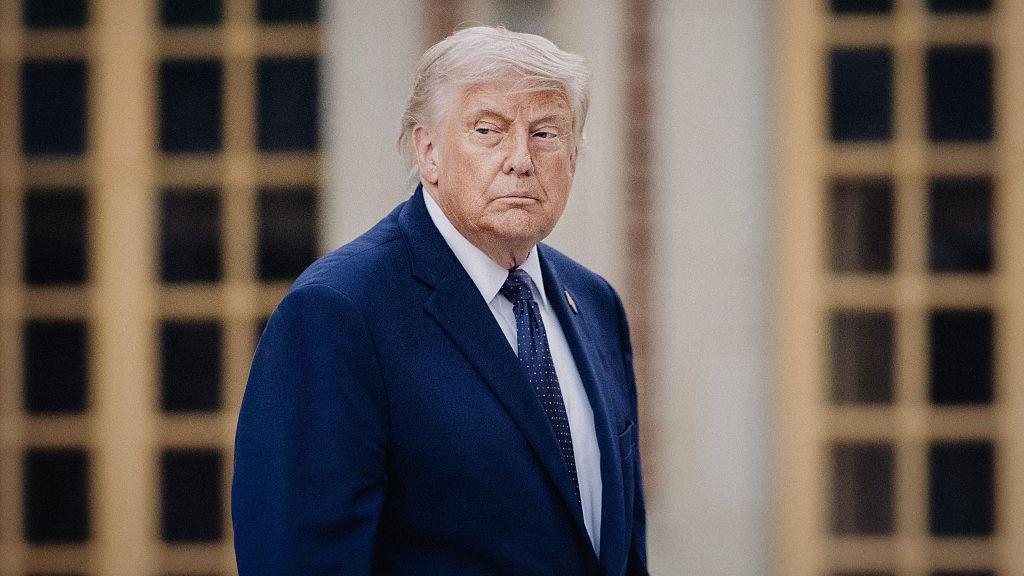
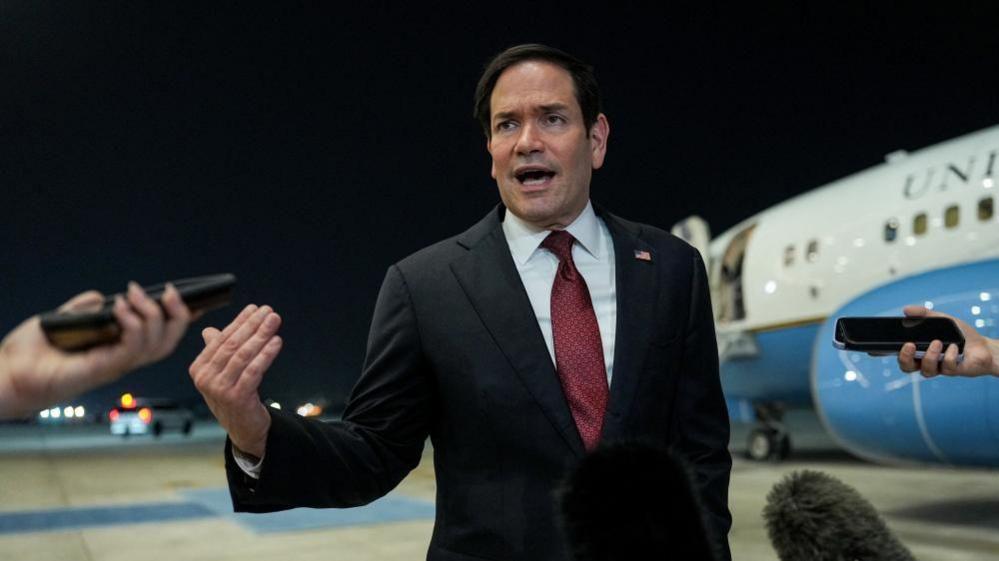
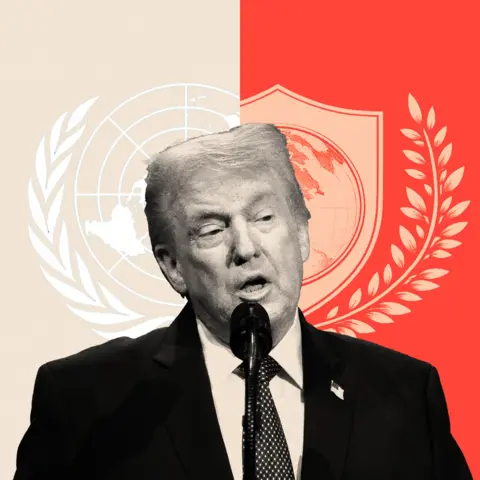
Such was the soaring promise of US President Donald Trump as he inaugurated his new Board of Peace on the stage of stages that is the Davos Economic Forum this week.
The world of all too much suffering and strife badly wants to believe him.
But for many observers and officials in capitals the world over, it is yet more proof of Trump's drive to dismantle the post-war international architecture and replace it with new institutions - dominated by him.
We will not let anyone play us, Poland's Prime Minister Donald Tusk warned tersely on social media.
From Trump's biggest backer in Europe, Viktor Orban, came effusive praise: If Trump, then peace. What exactly will this Board, headed in perpetuity by Trump himself, do? Could this really be a bid to build a UN mini-me?
The idea - born last year in US-led efforts to end the war in Gaza and endorsed by a UN Security Council resolution - now has a much greater, far grander, more global ambition. It pivots around the president.
In leaked details of the draft charter, he is the Board's chairman for life even when he leaves office. Under that charter, his powers would be vast: authority to invite member states or not, to create or dissolve subsidiary bodies, and the mandate to appoint his successor whenever he decides to step down, or if he is incapacitated.
Nineteen countries showed up in Davos for the Board's inauguration from all corners of the compass - from Argentina to Azerbaijan, from former Soviet republics to Gulf kingdoms. However, many more potential members have been less enthusiastic.
Critics of the Board point out that it undermines the broader international order and raises unanswered questions about its role, especially given Trump's penchant for dictatorial governance.
Some see the Board as yet another attempt for Trump to exert influence over international affairs, particularly in peace negotiations that involve sensitive issues like Gaza and Ukraine. The UN, with its current structure of 193 members, has struggled to remain a relevant peacemaker in recent years due to gridlock and rivalries.
Trump's new initiative brings to the forefront discussions about the need to reform longstanding structures like the UN, reflecting a significant shift in global diplomacy purportedly led by the president.
However, the complexities of global politics mean that Trump's ambition to lead a new peacemaking effort faces immense challenges, particularly regarding the involvement of nations like Russia and the internal divisions within conflict-plagued areas.
In conclusion, as Trump embraces his role as a peacemaker-in-chief, international relations are poised for a tumultuous realignment, questioning the standing of traditional institutions like the UN.