In brief
President Trump has issued a stern warning to Canada, threatening new tariffs over the country’s wildfires that have thickened the air in major US cities. Senators and state officials have demanded stronger action, while Canadian officials emphasize shared responsibility. The fires, numbering over 800 across Britain and affecting 3 million hectares, have forced air‐quality alerts, event cancellations and concern for events such as the World Cup final.
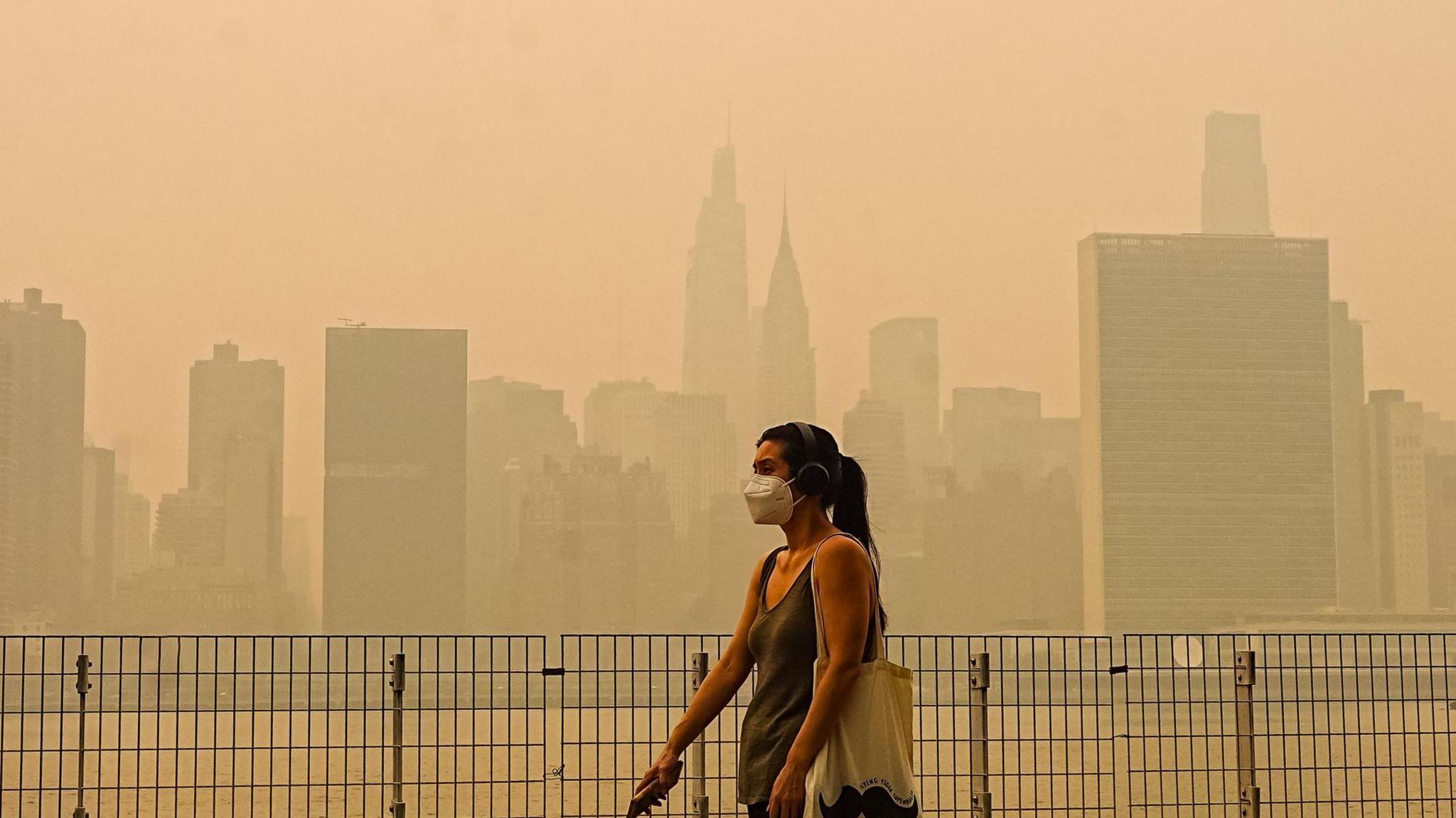
In a scathing post on Truth Social, President Donald Trump demanded that Canada take responsibility for the Atlantic forest fires that have drummed a thick orange veil over northern U.S. cities. "The United States is being unnecessarily invaded by filthy, polluted, and unhealthy air," he wrote, threatening new tariffs over what he described as Canada’s willful negligence.
The threat follows criticism from dozens of U.S. lawmakers—John James, John Moolenaar, Jack Bergman and Lisa McClain—who have warned that the U.S. could consider deploying cross‑border firefighting forces if Canada fails to act. They called the Canadian government’s air‑quality policies “chronically under‑invested” and urged action to curb fuel buildup.
According to Canada’s Wildland Fire Information System, 888 fires are currently active, with 190 concentrated in Ontario. Nearly 3 million hectares of forest are already scorched, and the blaze has produced a thick smoke blanket that has spread across Minnesota, Michigan, Ohio, Pennsylvania, and New York. Air‑quality alerts have been declared “hazardous” in Detroit, Chicago, Washington D.C. and New York; the Swiss IQAir tracker ranked Detroit as the world’s worst in terms of ozone levels.
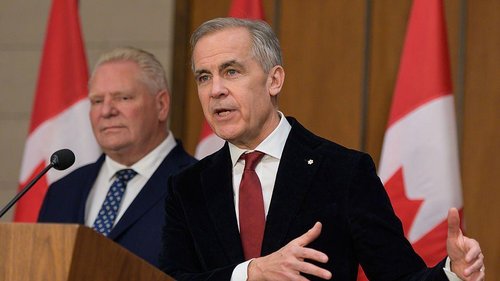
Ontario Premier Doug Ford said Canada has helped the U.S. fight wildfires in California and responded to hurricanes in North Carolina, and urged lawmakers to send “supply and help” rather than “complaint.” Canadian Prime Minister Mark Carney reaffirmed that climate‑change mitigation is a shared responsibility, noting Canada’s close communication with local communities and its spending of over a billion dollars on wild‑land fire since 2018.
The smoke has not only dampened outdoor life—concerts have been moved indoors and beach outings canceled—but also raised concerns about the open‑air finish of Sunday’s World Cup final between Argentina and Spain at MetLife Stadium. White‑House officials, including Andrew Giuliani, have met with FIFA delegates to monitor conditions, though a formal table‑setting meeting is yet to occur.
While scientists highlight the cross‑border nature of wildfire smoke—pointing to hot, dry weather, inadequate forest management and climate change—they caution that attribution to one nation alone oversimplifies the issue. They note that large Canadian forests cover remote areas, making fires hard to detect and control, and that the global climate system dominates smoke distribution.
As the fires continue, U.S. officials urge residents to remain indoors, provide free masks in affected zones and reassess large outdoor events. The diplomatic back‑and‑forth underscores the growing complexity of trans‑boundary environmental hazards in an era of heightened climate urgency.