In brief
President Luiz Inácio Lula da Silva has returned to Brazil’s helm, turning public anger over U.S. interference into a rallying cry. In a victory speech that ignored Washington’s expectations, Lula declared Brazil would not be a pawn of any foreign power. Former U.S. president Donald Trump, who had touted a Latino‑American domino of allies, openly labeled the election “terrible” and “rigged.” The win threatens to derail Trump’s “Donroe Doctrine” strategy and could reignite diplomatic skirmishes over tariffs, security policy and digital governance. How long U.S.–Brazil cooperation can survive the election storm remains uncertain, but Lula’s message of sovereignty rings clear across Latin America.
Brazil’s President Luiz Inácio Lula da Silva has sealed a comeback that threatens to upend U.S. plans in Latin America.
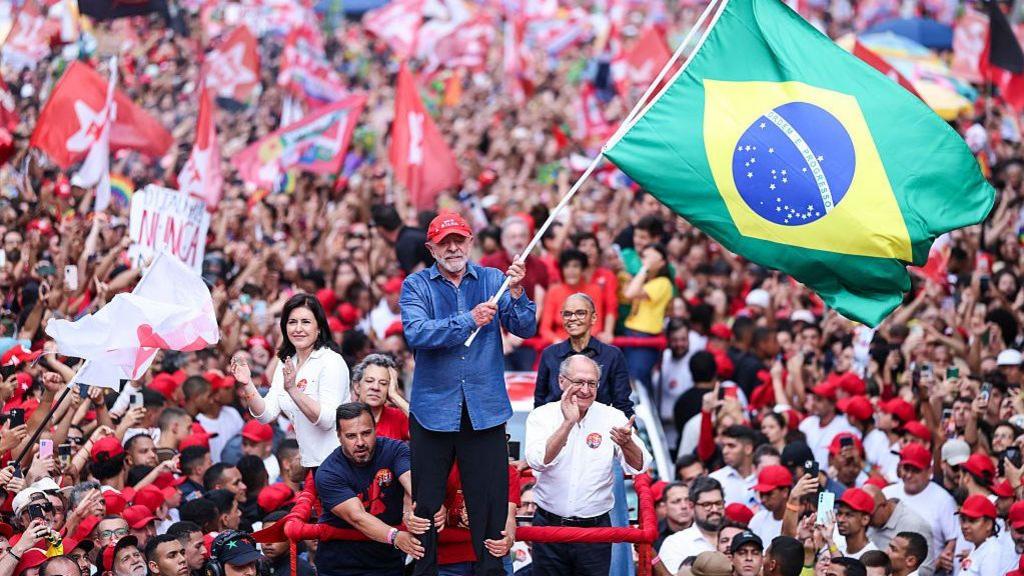
Lula’s victory speech echoed a stern anti‑interference message: “Brazil will not accept being anyone’s backyard.” The words resonated with a domestic electorate that has favored left‑wing leadership, drawing in millions of supporters across the city of São Paulo. It was a stark counter‑punch to the U.S. narrative that had earmarked Lula as a “friendly” democracy for Trump’s regional agenda.
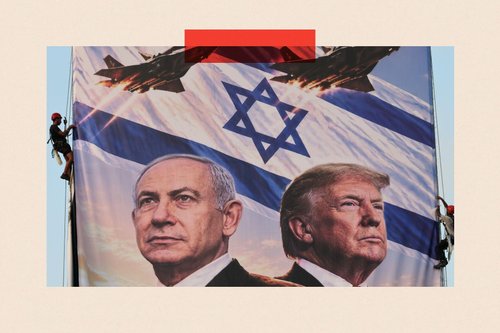
Former U.S. president Donald Trump, who championed a bloc of right‑wing allies in the region, reacted by calling the polls “terrible” and “rigged.” Yet he also admitted he “liked Lula” and that their personal relationship had been frozen after the 2025 tariff dispute over Brazil’s coffee exports.
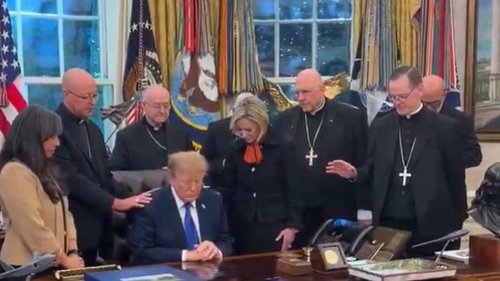
While Lula refrained from a diplomatic outreach to Trump immediately after the election, the two leaders later met at the United Nations and in the Oval Office, with Trump declaring the talks “very good” and Lula saying he left “very satisfied.” The meeting suggests that practical trade considerations—such as the U.S. appetite for Brazilian rare‑earth minerals—still keep both parties engaged.
However, tensions are resurfacing over deeper issues: U.S. calls to cast doubt on Brazil’s electoral system, visa refusals for Brazilian officials, and the U.S. appeal for Brazil to abandon certain drug‑trafficking vessels. Lula’s administration has sharply criticized Washington’s meddling and has hurt the very notion of “safety” that Trump promotes.
Meanwhile, Brazil’s newest payment system Pix has drawn U.S. ire for cutting into Visa and Mastercard. The situation illustrates how Brazil’s domestic reforms—designed to boost sovereignty—are directly confronting U.S. economic interests.
As the world watches, the U.S.–Brazil relationship will hinge on whether Trump’s administration continues to see Brazil as a bargaining chip or a reluctant partner. For now, Lula’s message of national pride signals that any further U.S. intervention will be met with fierce resistance.