In brief
The Trump administration has frozen federal funds to California, Colorado, Illinois, Minnesota, and New York, citing potential fraud related to social safety net programs. Critics accuse the administration of using children as political pawns, with legal challenges already underway. The decision affects programs essential for low-income families and could create significant budget shortfalls.
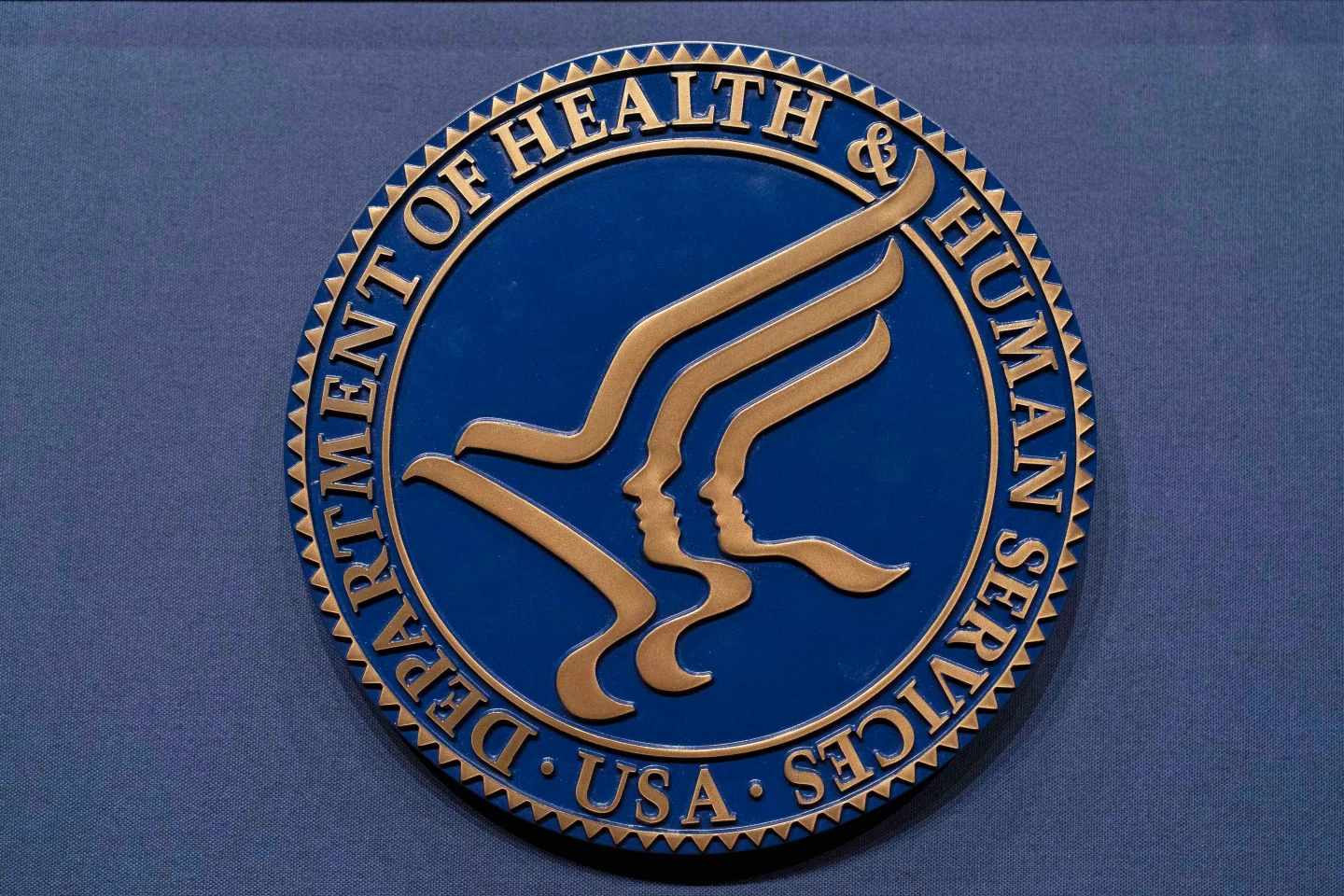
The Trump administration has announced that it will restrict funds from several social safety net programs, including child care subsidies and cash assistance, which primarily help low-income families. The U.S. Department of Health and Human Services (HHS) froze funds for California, Colorado, Illinois, Minnesota, and New York, claiming these states are allegedly providing benefits to illegal immigrants, although specifics have not been disclosed.
This directive has led to accusations from state officials that the administration is politicizing the issue, harming children in the process. Democratic leaders in these states have filed a lawsuit against the administration, claiming the freeze is unconstitutional and jeopardizes essential services for vulnerable populations.
States argue that the funding loss could create budget problems, impacting shelters, adoption services, and child welfare investigations, with New York particularly highlighting a potential budget deficit that could amount to hundreds of millions this month. 'This is one of those narratives that’s false,' stated New York Governor Kathy Hochul.
The frozen programs include the Child Care and Development Fund that supports around 1.3 million children and the Temporary Assistance for Needy Families program. The federal government has also introduced new requirements for all states to verify enrollment and attendance records for childcare funds before receiving their allotments, citing a need for stronger fraud prevention mechanisms.
This situation has escalated, particularly in Minnesota, where allegations of significant fraud in childcare programs involving Somali providers have gained traction. Local officials are under pressure to provide documentation on oversight efforts to the federal government quickly, as the administration seeks to clarify how fraud might be occurring.
In response to the freeze, Gov. Tim Walz of Minnesota argues his state is diligently working to prevent fraud and criticized the federal government's actions as politically motivated. Overall, the freeze of these essential funds raises serious concerns about the future of social services in the affected states and the families dependent on them.