Thai Court Sentences Two Men to Death Over Bangkok Shrine Bombing
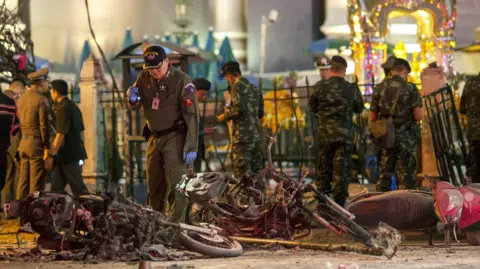
A Thai military court has condemned two men, both members of the Uyghur minority, to capital punishment for orchestrating the country’s worst terrorist attack. The verdict comes 11 years after a 17 August 2015 bomb exploded beside Bangkok’s Erawan shrine, killing 20 people and injuring more than 120.
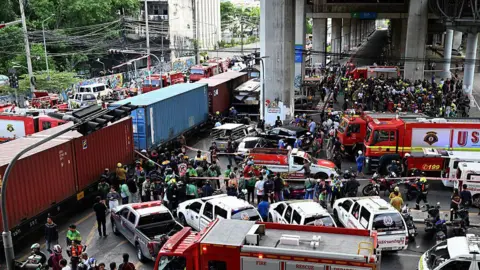
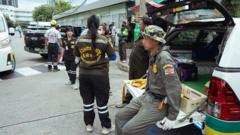
The men, Bilal Mohammad and Yusufu Mierali, allegedly planned the blast, which detonated a short distance from the BBC bureau. Eyewitness reporters were present minutes after the explosion, describing the chaos and the swift arrival of paramedics.
Investigators highlighted serious procedural issues: many security cameras were non‑functional; video showed a lone man leave a bag and exit, but his identity never surfaced. Authorities arrested the suspects two weeks later—Bilal Mohammad in a Bangkok suburb, armed with chemicals suitable for bomb‑making, and Yusufu Mierali captured in Cambodia.
Both accused were denied immediate translation services, with delays extending the trial for more than a decade. The International Commission of Jurists criticised the ordeal, describing it as rife with human‑rights violations.
Despite allegations of torture and coerced confessions, the court found phone‑call records placing both men near the crime scene at the moment of the blast and communicating with each other. The judges ruled the evidence warranted conviction and sentenced the men to death.
Their legal team has announced an appeal. The case has sparked debate over Thailand’s criminal justice system, international concerns about Uyghur treatment, and the role of the government’s swift actions to protect a key tourist attraction.
The image below, captured by Reuters, shows the aftermath at the shrine, illustrating the devastation and the human stories behind the headlines.