In brief
The Supreme Court will review President Trump's executive order concerning birthright citizenship, a significant case that questions the interpretation of the 14th Amendment. As Trump prepares to attend the oral arguments, the implications for over 250,000 annual births in the U.S. hang in the balance. This case marks a pivotal moment in the ongoing debate over immigration policy and executive power.
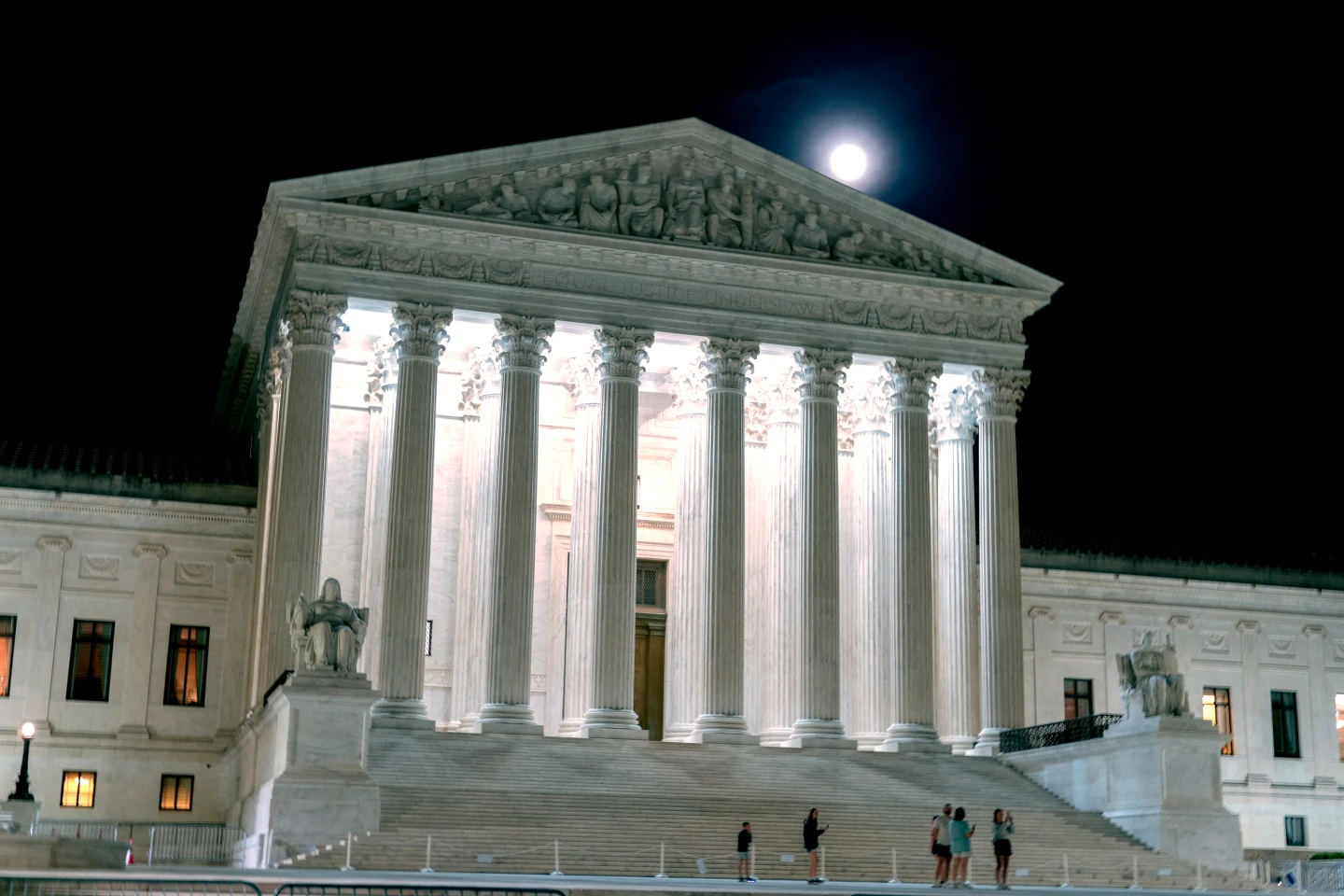
WASHINGTON—The U.S. Supreme Court is poised to hear one of the term’s most consequential cases as it takes up President Donald Trump’s executive order aimed at redefining birthright citizenship. This controversial order asserts that children born to parents who are in the U.S. illegally or temporarily are not U.S. citizens.
On Wednesday, justices will hear Trump’s appeal following a lower court ruling from New Hampshire that found the citizenship restrictions unconstitutional. The rulings have prevented the executive order from taking effect nationwide.
The Supreme Court's expected decision on this matter will shape discussions on immigration law and executive power, as Trump will be the first sitting president to attend oral arguments at the nation’s highest court.
The birthright citizenship order, signed on the first day of Trump’s second term, represents a broader push by the administration to tighten immigration controls. Critics argue that redefining citizenship challenges the long-standing interpretation of the 14th Amendment, which established birthright citizenship for all individuals born on U.S. soil.
Lower courts have previously struck down the executive order, invoking the 1898 ruling in Wong Kim Ark, which affirmed the citizenship of U.S.-born children of Chinese nationals.
The administration, however, contends that the common understanding of citizenship is misguided, stating that children of noncitizens do not fall under U.S. jurisdiction. This perspective has yet to gain judicial acceptance, leading to ongoing legal challenges. The implications of this case stretch wide, potentially affecting over a quarter-million births in the U.S. each year, according to research by the Migration Policy Institute.
As the case unfolds, it will serve as a critical examination of the executive's reach in redefining citizenship amidst a contentious immigration landscape.