In brief
Afroman, born Joseph Foreman, won a defamation lawsuit brought by seven deputies from Adams County, Ohio, who claimed they were harassed due to the rapper's satirical music videos that featured home security footage of the deputies raiding his house in 2022. The verdict reinforces the protection of freedom of speech and the rights of artists to utilize parody for social commentary. Afroman's songs, which include pointed critiques of the deputies, were viewed over 3 million times on YouTube. The deputies sought nearly $4 million in damages but failed to convince the court. Afroman argued that the raid traumatized his children and had significant financial ramifications for him as well.
The Grammy-nominated rapper Afroman won a defamation lawsuit filed by seven Ohio sheriff’s deputies who sued him over music videos in which he used home security footage to mock their raid of his home.
“We did it, America! Yeah, we did it! Freedom of speech! Right on! Right on!” the 51-year-old rapper, born Joseph Foreman, shouted outside the courthouse after the Wednesday evening verdict. He later posted the clip to social media.
The case tested the limits of parody and the license artists can take in social commentary directed at public figures. The deputies, collectively, sought nearly $4 million in damages.
“No reasonable person would expect a police officer not to be criticized. They’ve been called names before,” defense lawyer David Osborne said in closing arguments for the rapper and comedian, known for his breakout 2000 hit, “Because I Got High.”
The Adams County deputies said they were publicly harassed over the viral videos, which were viewed more than 3 million times on YouTube. The music videos included footage of deputies breaking down Afroman’s door and searching his belongings, which spurred humor and satire in his subsequent tracks.
In other music videos, Afroman directly critiqued the deputies’ actions, calling them “crooked cops” in light of $400 missing from the raid. “Police officers shouldn’t be stealing civilians’ money,” he testified this week.
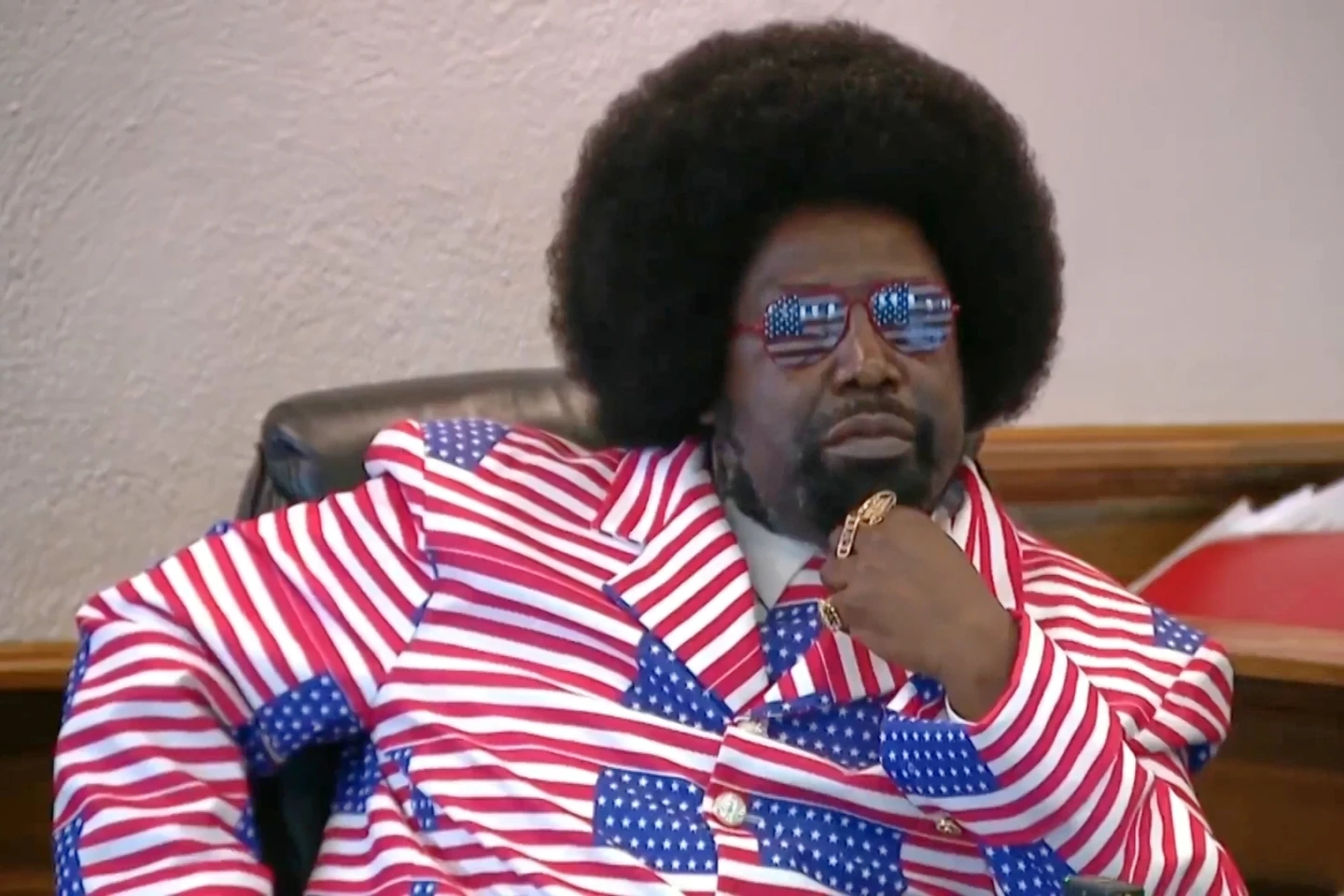
In court — wearing a red, white, and blue American flag suit — he defended his work on First Amendment grounds. No charges were filed following the 2022 event, which was under a warrant for a drug and kidnapping investigation. Afroman stated that the raid traumatized his children.
The lyrics of “Will You Help Me Repair My Door?” address the police, directly questioning the legitimacy of the warrant and their actions during the raid. Lyrics feature humorous yet biting commentary on the absurdity of the situation.
During the trial, deputies testified that the songs ridiculed them and affected their personal lives. Afroman’s legal team highlighted the stretch of artistic expression and the reckless expectations held by public figures.
Afroman lives in Winchester, Ohio, about 50 miles outside Cincinnati.