In brief
Tata Sons’ abrupt loss of chairman N Chandrasekaran triggers a succession scramble within the sprawling $300bn Tata Group. Internal and external experts warn that the new chairman must navigate financial losses from several unlisted units, resolve a rift with the controlling Tata Trusts, and communicate a clear strategies for profitability and governance. Investors face heightened uncertainty as the group’s blend of historic cash cows and high‑risk ventures becomes a testing ground for the next leader’s skill set.
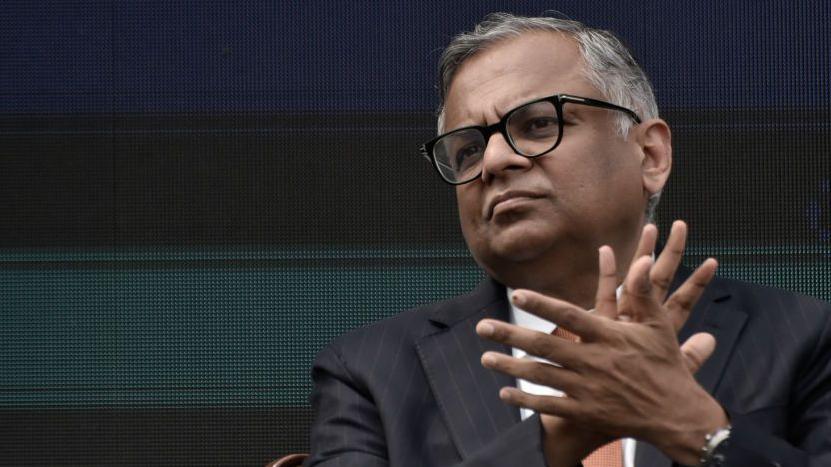
The sudden resignation of Tata Sons chairman N Chandrasekaran last month has thrown the conglomerate’s top job into peril. With a portfolio spanning Jaguar Land Rover, Air India, and a partnership producing iPhones for Apple, Tata’s $300bn empire now faces a daunting succession task.
Chandrasekaran stepped down after a dispute over a public listing of Tata Sons and the group’s capital allocation for new ventures – semiconductors, e‑commerce and aviation – all of which are currently bleeding money. The board is now searching for someone who can understand these high‑risk businesses and steer them toward profitability.
“It’s a very tough role,” says Hetal Dalal, governance advisor at Institutional Investor Advisor Services. “The choice involves managing relationships with the Tata Trusts, handling new business models, and maintaining ties with regulators and the government.”
Experts note that unlike the past leadership teams of JRD Tata and Ratan Tata, the new chairman will not automatically sit on the Trusts’ board. This separation can lead to friction, as seen in the past when Cyrus Mistry’s tenure ended abruptly.
Nirmalya Kumar – former strategy head at Tata Sons – stresses the difficulty of replacing comfortable executives who excel at existing business models with leaders who can manage bleeding units such as Tata Electronics’ first chip fabrication plant and the newly restarted Air India.
The resignation has shocked investors, who now see a period of prolonged uncertainty ahead. The new leader will need to lay out a plan to either scale back or exit underperforming investments and communicate progress in a way that reduces market anxiety.
Communication is key. “Governance mechanisms must be showcased, continuity assured and clarity on leadership transition provided,” says Minari Shah, communications adviser. The lack of an official succession roadmap has left shareholders wary.
With no successors named and a crucial AGM adjourned due to low quorum, Tata Sons is in a vulnerable position. Those who step into the chair will need not only deep corporate expertise but also the confidence of the controlling Tata Trusts to unify the group’s forward‑looked strategy.