In brief
US President Donald Trump signed an order that slaps a 15% tariff on imported polysilicon, the vital raw material for chips and solar panels. The rule also sets minimum import prices, a move tied to a national‑security probe of overseas production. Beijing has condemned the action as a serious disruption of trade, warning it will defend its companies. The policy is part of a broader U.S.–China tech confrontation that has already targeted drones and other high‑tech goods.
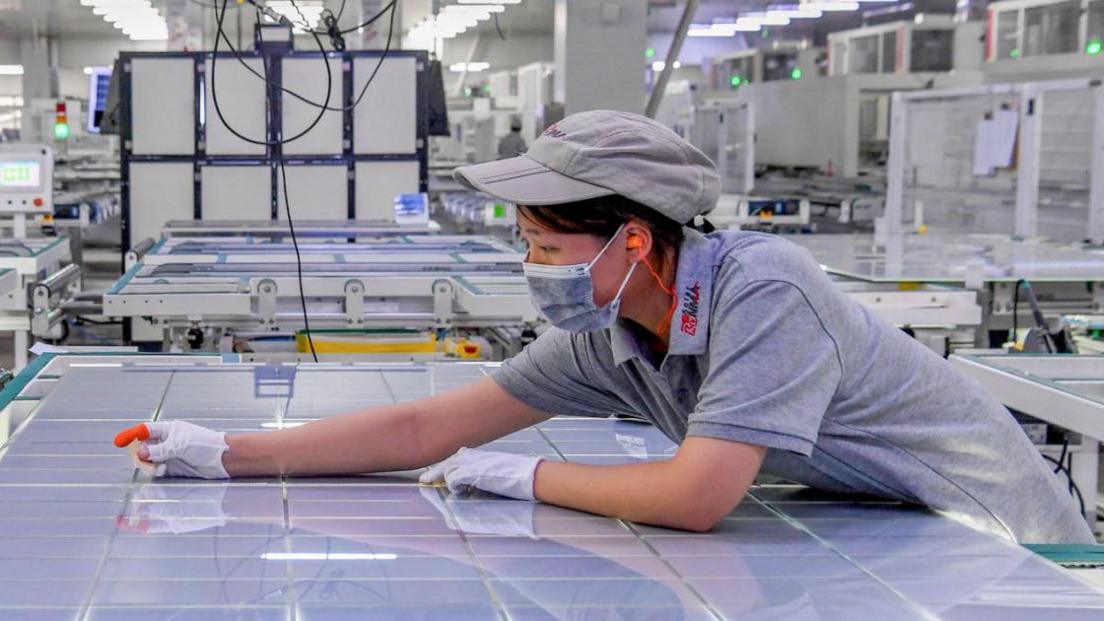
On Thursday, President Donald Trump signed an executive order that will, from December, impose a 15% duty on any polysilicon imported into the United States. Polysilicon is a key material used to manufacture semiconductor chips and solar panels, and the United States has seen its domestic share of production drop from 50% in 2005 to under 2% in 2024.
The order also establishes minimum import prices for polysilicon and related products, following a national‑security investigation into foreign production of the material. The move is intended to level the playing field for American manufacturers facing growing competition from China’s thriving chip industry.
China’s embassy in Washington immediately branded the tariff a “serious disruption” of bilateral trade and said Beijing would act to protect its companies. The embassy added that using state power to target Chinese firms would not make the United States more competitive.
Trump cited Secretary of Commerce Howard Lutnick’s recommendations when describing the rationale for the tariff and price measures in the order. The policy will give a boost to U.S. firms such as Hemlock Semiconductor and Wacker Chemie that are main producers of the material domestically.
The decision comes amid a broader trade war between the world's largest economies, with the U.S. and China already imposing tariffs on a range of goods, including drones and humanoid robots. Beijing has responded with tighter export controls on drones and a national‑security review of imported printers and copiers.