In brief
An Air India A320 lost 91 m during a Phuket‑to‑Delhi flight, injuring several passengers. The captain’s post‑flight drug screening hinted at cannabis, raising questions of pilot impairment. However, a positive test only shows THC presence, not the impairment timing. Scientists explain complex timelines for THC impairment and regulatory responses, underscoring the difficulty in linking drug use to accidents. Air India will soon test all pilots, but investigators must assess concentration, sample type and timing to determine any role in the incident.
Air India Flight Plunge: Pilot’s Possible Cannabis Test Sparks Inquiry
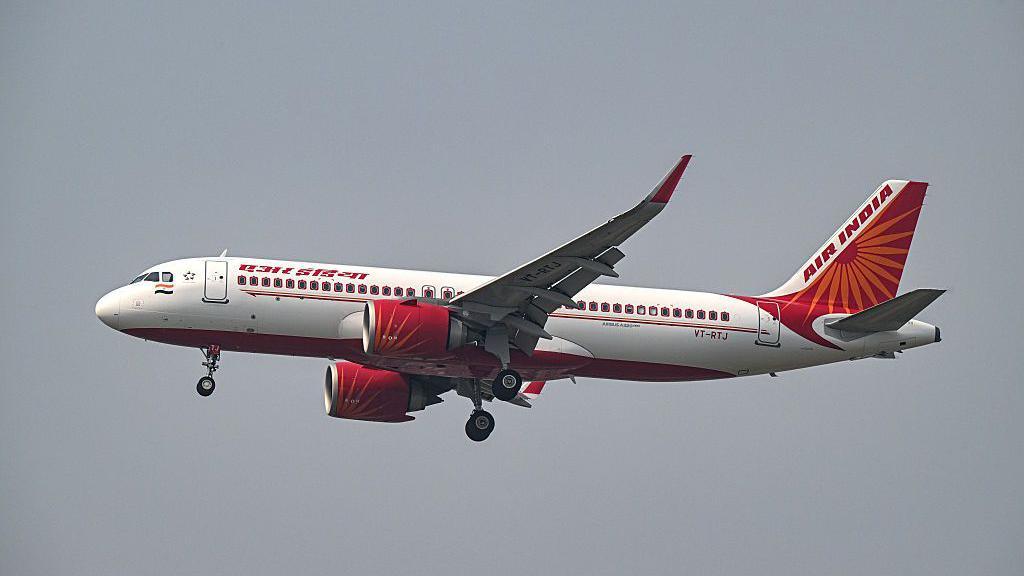
On 4 August, an Air India Airbus A320 flying from Phuket to Delhi lost around 91 m (300 ft) in altitude, injuring 13 passengers and four crew members. The aircraft landed safely in Delhi, but the incident is now under investigation.
India’s aviation ministry said both pilots underwent routine post‑flight psychoactive drug testing. The captain’s initial test required confirmatory testing; some media reports claim a subsequent lab result was positive for marijuana, though Air India has yet to confirm this.
What a Positive Test Really Means
A positive cannabis test indicates THC or a metabolite is present, but it does not reveal when the drug was consumed or whether the pilot was impaired at the incident time. THC can stay in the bloodstream for days, especially in frequent users, long after acute impairment has passed. Studies show impairment after smoking typically lasts 3‑5 h, while edibles can affect cognition for 6‑8 h.
Experts warn that a positive test alone cannot prove causation. The crucial questions are: Did the pilot consume cannabis? Was the pilot impaired while flying? Did that impairment contribute to the sudden altitude loss?
Scientific Context
Historical research on pilots who smoked marijuana in 1976 and 1987 found performance decline lasting up to 6 h, often unnoticed by the pilots themselves. A 1991 follow‑up study of 9 pilots using 20 mg THC revealed impairment up to 24 h after use, with only one pilot aware of their reduced performance.
A modern 2022 randomized trial of 191 regular cannabis users found that THC presence does not reliably predict impairment, and that blood THC levels often decay before the 4‑5 h window of most impairment.
Hence, a positive test signals exposure but not necessarily operational impairment at the time of flight.
Regulatory Landscape
Transport Canada, after legalising recreational cannabis in 2018, issued a rule banning flight crews from using cannabis for at least 28 days before duty. The U.S. NTSB noted that 52.8% of examined pilots had at least one drug detected, but emphasized that detection does not equal impairment.
In India, the aviation ministry now requires random screening of at least 10 % of pilots; following this incident it plans to test all staff for banned substances.
Next Steps for Investigators
Investigators must determine the sample type, whether the detected substance was THC or a metabolite, its concentration, and what that indicates about timing. Only with these details can they assess whether cannabis likely contributed to the crash.
Current evidence suggests the mere presence of THC does not establish causation; high concentrations or recent use might be more convincing.
Air India’s ongoing investigation will now look at pilot medical records, flight data, and environmental conditions to piece together the complex puzzle of the aircraft’s sudden descent.
Sources: BBC News, ATSB Report, JAMA Psychiatry