In brief
At the 2026 Grammy Awards, Bad Bunny's 'Debí Tirar Más Fotos' was awarded Album of the Year, a milestone for Latino representation. Artists used the platform to speak against anti-immigration policies, highlighting the evolving dynamics of the ceremony and the music industry landscape. With a significant shift in voters aimed at inclusivity, the Grammys reflect a broader societal narrative around immigration and cultural identity. Bad Bunny's political statements resonated deeply during a challenging time for immigrant communities in the U.S.
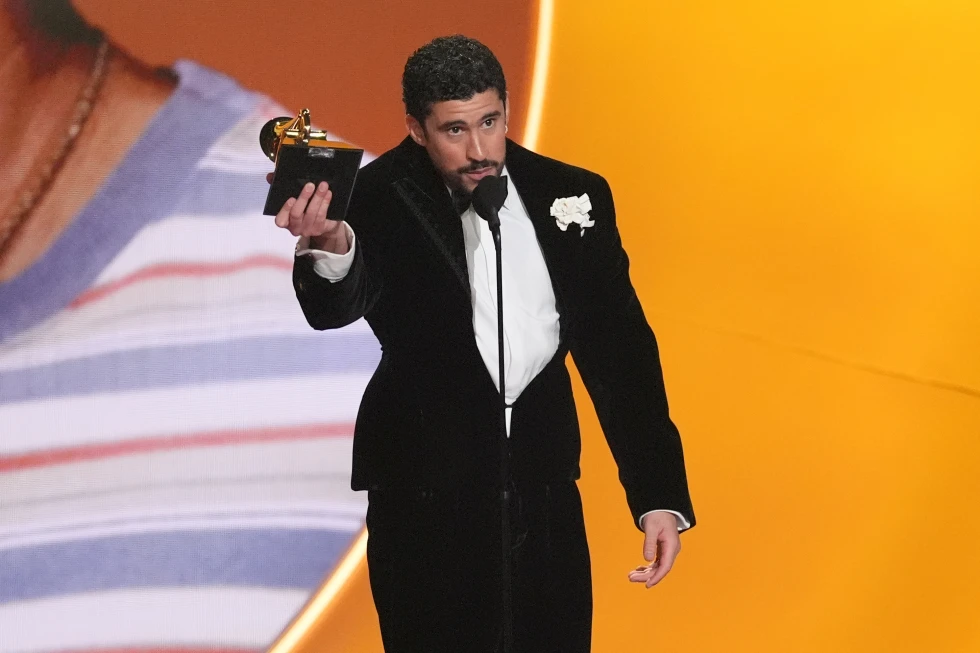
LOS ANGELES — The 2026 Grammy Awards showcased a historic moment as Bad Bunny's album, 'Debí Tirar Más Fotos', took home the prestigious Album of the Year award, marking a significant win for Latino representation in the music industry. This recognition comes amidst a backdrop of heightened anti-immigration rhetoric and policies in the United States.
During the Sunday night ceremony, multiple artists took to the stage to address pressing immigration issues, with nearly half of the televised acceptance speeches mentioning anti-Immigration and Customs Enforcement (ICE) sentiments. Bad Bunny’s victory is especially poignant as he becomes one of the few Latino artists to receive this accolade, joining the ranks of Santana and other notable predecessors.
Vanessa Díaz, co-author of a book on Bad Bunny's cultural impact, highlighted this win as a recognition of the multitude of Latin music that has furthered the narrative against neglecting cultural diversity within the music industry.
The Recording Academy has been striving to diversify its voting membership, introducing new voters from various backgrounds, leading to a shift in the types of artists recognized. In 2025, it welcomed 3,800 new members, resulting in a ceremony reflective of changing demographics.
Bad Bunny’s album not only achieved commercial success but was also laden with artistic and political messages, addressing broader cultural struggles transcending nationality boundaries. Songs like 'Lo que le pasó a Hawaii' serve as rallying cries for empowerment.
During the ceremony, performers like Billie Eilish and Olivia Dean expressed solidarity with immigrant communities, attracting attention to the urgent discussions surrounding immigration policies.
No one is illegal on stolen land,” Eilish proclaimed, highlighting a collective resistance against oppression.
Bad Bunny himself made headlines with his emphatic speech: We’re not savage, we’re not animals, we’re not aliens. We are humans and we are Americans.” His statements reflect a critical response to derogatory language used by political figures regarding immigrants.
The implications of Bad Bunny’s recognition extend into a broader cultural landscape where immigrants face increasing challenges in the U.S. Amid rising anti-immigrant sentiment and legislative actions, the night served as a reminder of the power of music to unite and inspire change.
This feels like light in a challenging moment, says Vanessa Díaz, reiterating the significance of celebrating cultural contributions within a targeted community.