In brief
After being held captive for two and a half years in Iraq, Elizabeth Tsurkov recounts the brutal torture she faced, including electrocution and sexual abuse. Despite the harrowing experiences, she is determined to recover and complete her PhD, shedding light on the dark realities of her captors' ideologies and actions.
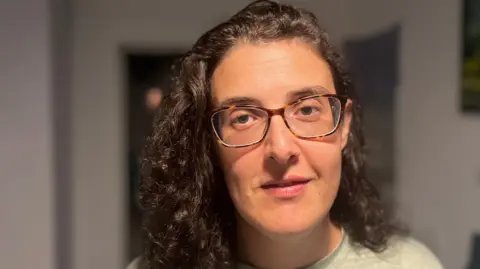
Elizabeth Tsurkov, an Israeli-Russian woman who endured two and a half years of captivity, has bravely spoken about the torture she faced at the hands of militants in Iraq. Freed in September 2025, Tsurkov describes how she invented confessions to try to appease her captors during an unthinkable ordeal.
In a recent interview, conducted in her recovery space in Israel, she revealed the horrific physical and psychological abuse she suffered during those first brutal 100 days.
“My health is not great,” Tsurkov admitted, highlighting the long-term effects of her captivity. She was kidnapped while conducting fieldwork for her PhD research in Baghdad, entrapped by false friendships and brutal attacks from her captors.
Initially unaware of her Israeli citizenship, her situation escalated dramatically once her identity was discovered, leading to an escalation of torturous methods, including electrocution and sexual abuse.
Tsurkov revealed her captors employed particularly vicious techniques, describing how she was oftentimes hung from the ceiling, enduring unimaginable pain and humiliation.
Believing she was held by members of Kataib Hezbollah, a powerful Iran-backed militia, Tsurkov fought back against the torture through survival tactics. She fabricated tales and confessions, attempting to misdirect them from their brutal treatment, which paradoxically intensified the cruelty she faced as her captors sought more information.
Her release came as a result of high-stakes geopolitical negotiations, involving pressure from U.S. officials who warned that lives would be at stake if she wasn't freed. This tumultuous chapter in Tsurkov's life underscores the complex and often dangerous political landscape in Iraq.
Now back in Israel, she faces the daunting task of rehabilitation, both mentally and physically, while remaining committed to her studies and advocating for those who have faced similar atrocities. As she works through her trauma, Tsurkov reflects on the broader implications of her experience, emphasizing a corrupt system in Iraq that denies ordinary citizens their rights.