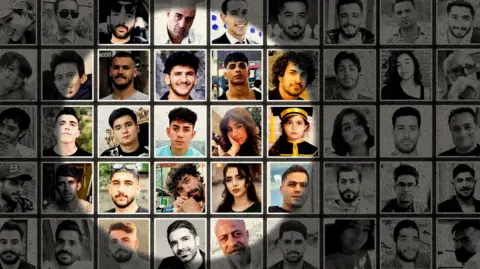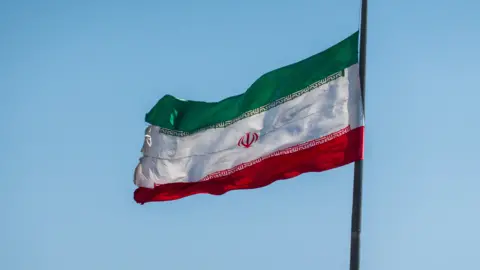
The number of executions in Iran in 2025 is estimated to have more than doubled compared to the number that took place across the country in 2024. Norwegian-based Iran Human Rights (IHR) group reported that it has verified at least 1,500 executions until early December, indicating even more may have occurred since then.
In 2024, IHR verified 975 executions; however, the exact total has often remained unclear due to the lack of official statistics from Iranian authorities. The increase in execution numbers aligns with a broader analysis and corroborates data from monitoring groups.
Iran's government has previously defended its use of the death penalty, asserting that it is limited strictly to the most severe crimes. The trend of rising executions predates the widespread protests that erupted in 2022 following the death of Mahsa Amini, a 22-year-old Kurdish woman, after her detention by morality police for allegedly not adhering to hijab regulations.
This protest movement marked one of the most significant challenges to the Iranian regime's legitimacy in years. In retaliation to the protests, authorities escalated execution rates, increasing from approximately 520 in 2022 to 832 in 2023, according to IHR data.
While there have been executions related to protests or alleged spying, the vast majority—about 99%—were for crimes such as murder or drug offenses, a ratio that has remained stable. Activists argue that Iran's regime intensifies executions as it feels threatened, using them as a tool to instill fear and prevent public dissent.
Notably, after the conflict with Israel in June, combined with setbacks for Iran's proxy forces, execution rates surged dramatically once more.