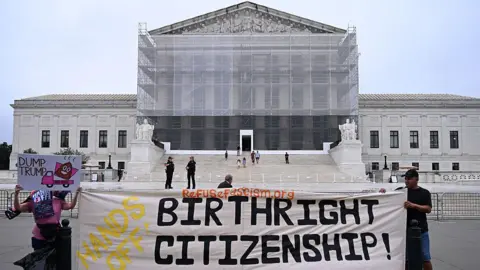
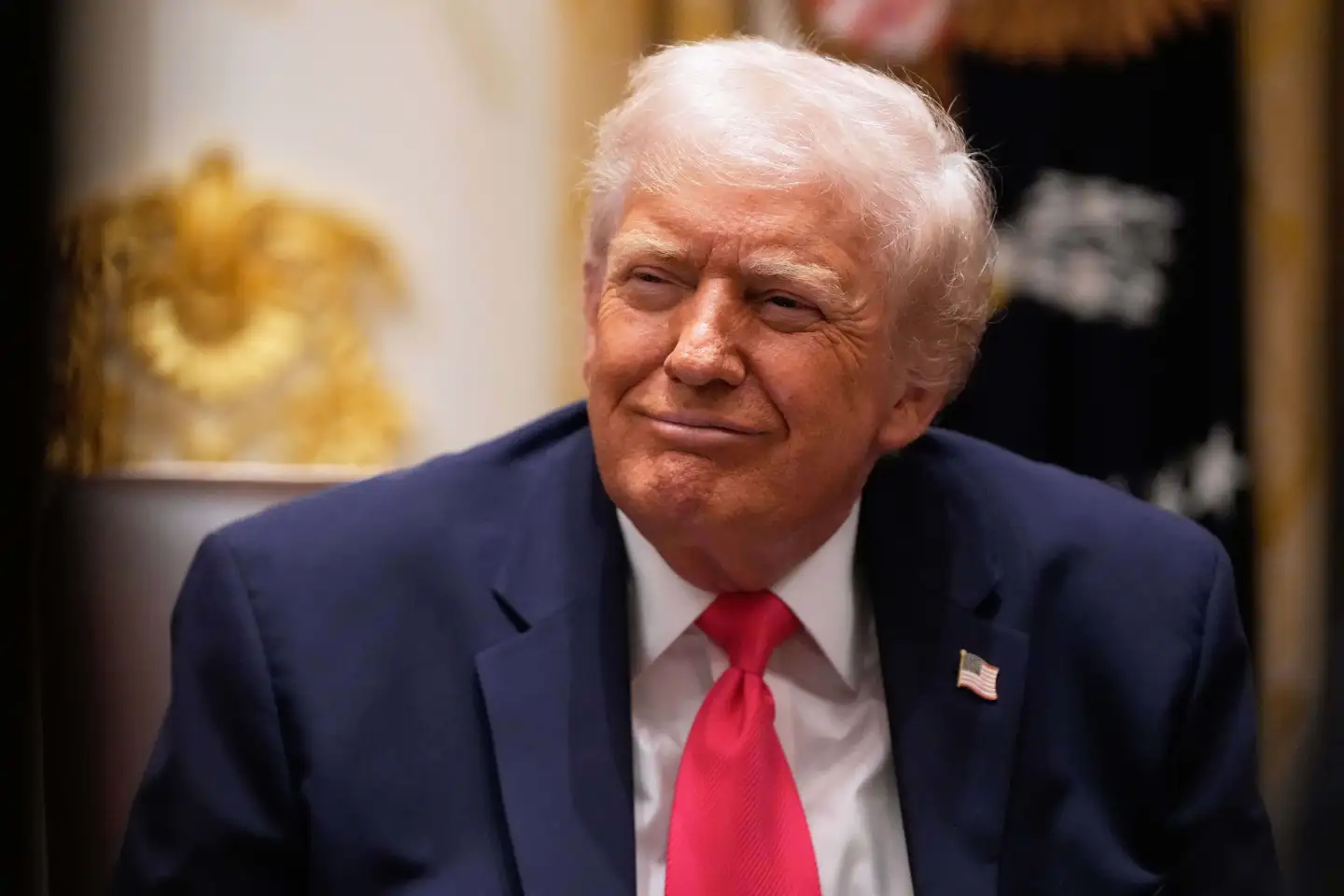
WASHINGTON (AP) — The Supreme Court agreed on Friday to take up the constitutionality of President Donald Trump’s birthright citizenship order, which targets children born to parents who are in the U.S. illegally or temporarily. The justices will review Trump's appeal after a lower court ruling invalidated the citizenship restrictions, which have yet to be implemented nationwide.
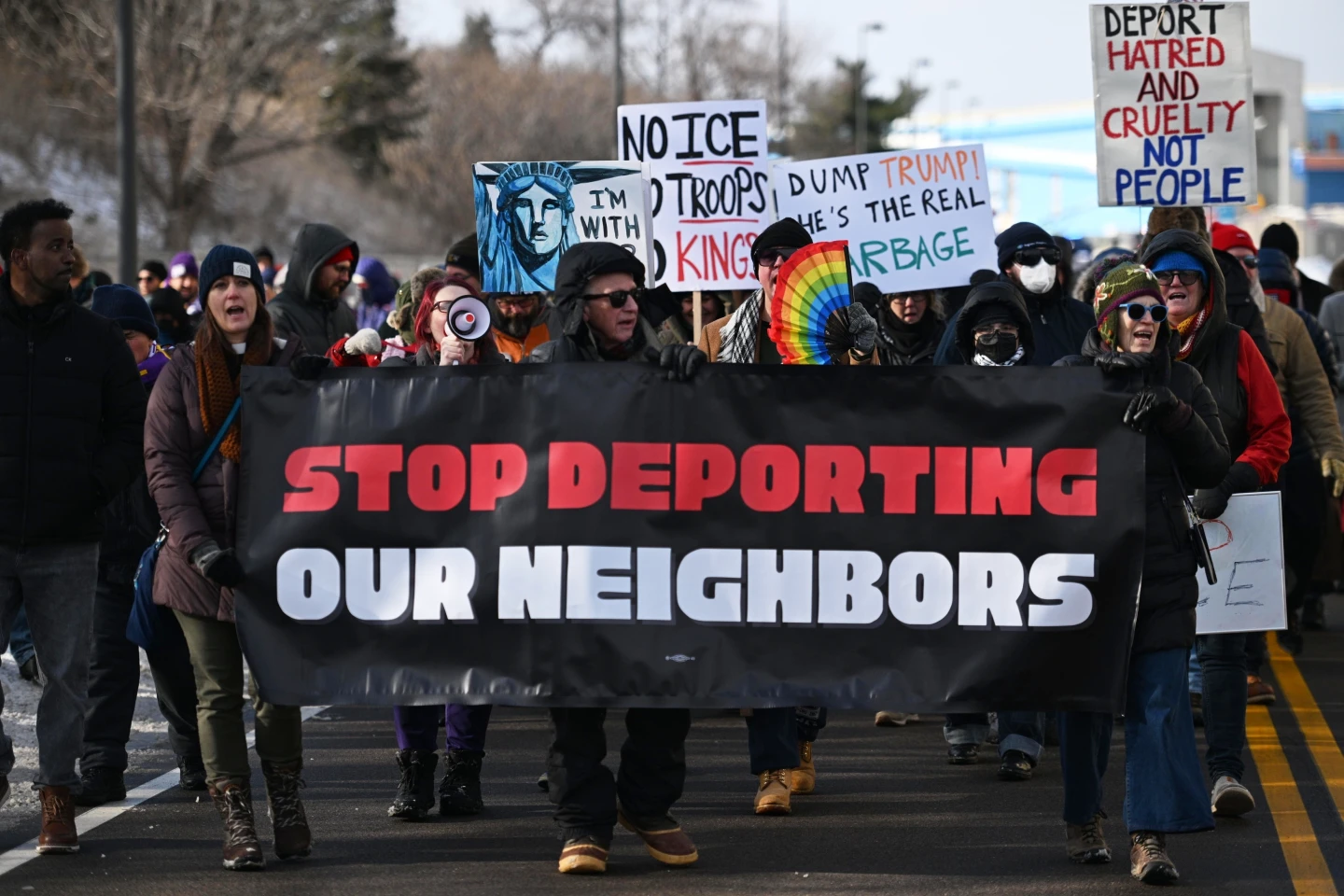
Scheduled for argument in the spring, a definitive ruling is anticipated by early summer. Trump's order, unveiled on January 20, aims to reshape immigration practices as part of a broader crackdown, which includes actions like surging immigration enforcement and calling upon the 18th-century Alien Enemies Act for deportations.
Legal challenges against the administration abound, with mixed signals from the Supreme Court on related issues. Notably, the court previously curtailed the administration's use of the Alien Enemies Act for rapid deportations without court hearings while allowing selective immigration stops despite lower court obstacles.
Effective resolution of this case is crucial, as lower courts have unanimously interpreted Trump’s order as a potential violation of the 14th Amendment, which confers citizenship on those born on U.S. soil with exceptions for children of diplomats and foreign occupiers. The Trump administration argues that children of noncitizens are not 'subject to the jurisdiction' of the United States, and therefore should not receive citizenship.
A coalition of 24 Republican-led states supports the Trump administration's position in this legal battle. The implications of the Supreme Court's decision may have long-lasting effects on immigration law and birthright citizenship in the United States.
Scheduled for argument in the spring, a definitive ruling is anticipated by early summer. Trump's order, unveiled on January 20, aims to reshape immigration practices as part of a broader crackdown, which includes actions like surging immigration enforcement and calling upon the 18th-century Alien Enemies Act for deportations.
Legal challenges against the administration abound, with mixed signals from the Supreme Court on related issues. Notably, the court previously curtailed the administration's use of the Alien Enemies Act for rapid deportations without court hearings while allowing selective immigration stops despite lower court obstacles.
Effective resolution of this case is crucial, as lower courts have unanimously interpreted Trump’s order as a potential violation of the 14th Amendment, which confers citizenship on those born on U.S. soil with exceptions for children of diplomats and foreign occupiers. The Trump administration argues that children of noncitizens are not 'subject to the jurisdiction' of the United States, and therefore should not receive citizenship.
A coalition of 24 Republican-led states supports the Trump administration's position in this legal battle. The implications of the Supreme Court's decision may have long-lasting effects on immigration law and birthright citizenship in the United States.