In brief
The U.S. Supreme Court refused an emergency request from the Trump administration to deploy National Guard troops in the Chicago area aimed at bolstering immigration enforcement. This decision came after U.S. District Judge April Perry had blocked the deployment due to a lack of evidence supporting the need for military intervention. The ruling marks a rare defeat for Trump and may influence other legal challenges to similar troop deployments in Democratic-led areas.
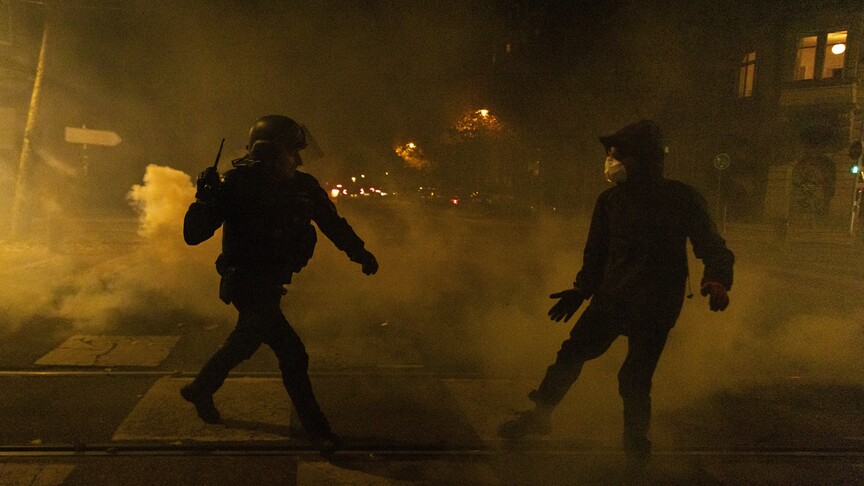
WASHINGTON (AP) — The Supreme Court on Tuesday denied the Trump administration's request to deploy National Guard troops in the Chicago area as part of its crackdown on immigration. This follows U.S. District Judge April Perry's earlier ruling blocking the troops' deployment, a decision echoed by an appeals court. The Supreme Court's judgment came after two months of deliberation, which included dissent from Justices Samuel Alito, Clarence Thomas, and Neil Gorsuch.Although the Supreme Court's order is not a conclusive ruling, it could impact other lawsuits challenging military deployments in Democratic-led cities across the nation.The administration's initial request aimed to mobilize troops from Illinois and Texas to protect federal personnel and property from alleged violent protests against federal immigration law enforcement. However, Judge Perry found no substantial evidence that such an uprising was impending in Illinois or that protests compromised Trump's immigration policies. She had initially issued the block for a two-week period, later extending it indefinitely as the Supreme Court reviewed the case.Beyond Illinois, various legal battles concerning National Guard deployments are ongoing. For instance, D.C. Attorney General Brian Schwalb is pursuing a lawsuit to prevent over 2,000 guardsmen's deployment in the nation's capital, with numerous states submitting filings in support of both the administration and the lawsuit.This ruling represents a significant tactical setback for Trump, who has routinely secured victories in emergency appeals since assuming office. In past decisions, the conservative-leaning court has upheld various controversial measures from Trump's administration, including military bans on transgender individuals and aggressive immigration enforcement.Overall, the Supreme Court's decision highlights the contentious relationship between federal authority and state responses to immigration enforcement, setting the stage for further legal discourse on military deployments in civilian protest scenarios.