In brief
In his recent visit to China, UK Prime Minister Sir Keir Starmer aims to revitalize the UK's relationship with Beijing after years of strained ties. His trip comes on the heels of a series of diplomatic engagements by global leaders, suggesting a shift in China's global diplomatic strategy. Notably, the visit coincides with various economic discussions that could bring new trade opportunities for the UK economy. Analysts question how this interaction may influence the UK's position within its longstanding alliance with the United States.
Beijing is not always the most welcoming place in winter.
Frigid air blows in from the north, blast-freezing the city's lakes and rivers, and only the hardiest souls would dare to plunge into the icy water.
And yet, in the last two months, leaders from around the world have accepted invitations to the Chinese capital. There's been a flurry of visits from France, South Korea, Ireland, Canada, and Finland. The German Chancellor is due next month.
Among the western leaders making a beeline for Beijing is Sir Keir Starmer, the first British prime minister to visit China in eight years. He seems to be guaranteed a warm welcome, especially after the UK recently approved plans for a Chinese mega-embassy in London. Officials in China had already warned their counterparts that they would not announce the prime minister's visit until this issue was resolved.
But both sides are now ready to get around the table, and for the UK, dozens of new deals are on the line to boost the country's economy. If the two sides could move ahead with a reasonable trading relationship, that is already an achievement, says Dr. Yu Jie, a Senior Research Fellow on the China, Asia-Pacific Programme at Chatham House.
One major question is to what extent China sees visits by the likes of Starmer as part of a bigger geopolitical shakedown? How close does it really think it can become with the UK?
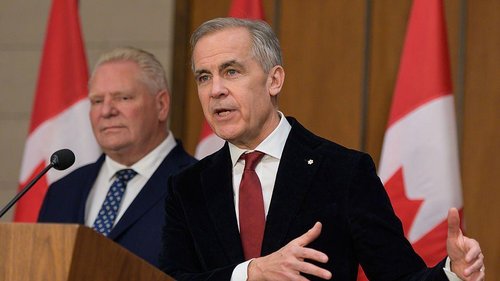
For China, this is part of a charm offensive in the hope that some will now look at Beijing as a stable, predictable partner - in contrast to the US. It seemed to work with Mark Carney, the Canadian prime minister, who visited earlier this month. He has blazed a trail for other world leaders by travelling to Beijing and announcing a new strategic partnership with China.
This was a dramatic turnaround for a relationship between two nations that had been in the deep freeze for a decade, and it will be music to President Xi Jinping 's ears. The message from Washington appears to be that if you do a deal with one superpower, you risk the wrath of another.
Starmer has already tried to sidestep this geopolitical landmine, making it clear he will not choose between the US and China. Some analysts believe that the Chinese will be clear-eyed about their ability to cause a rift in the so-called special relationship.
In the warmth of a pub in the Hutongs, a traditional area in Beijing, the bright piercing sound of Celtic pipes burst from two speakers. Bowei Wang, a Chinese national who studied in the UK, reminisces about his experiences and shares how he brought British beer culture back to China. This moment reflects a significant cultural exchange that complements the political developments between the two countries.
As Starmer navigates this complex diplomatic terrain, the future of UK-China relations remains uncertain but potentially promising, highlighting the delicate balance between fostering economic ties and addressing security concerns.