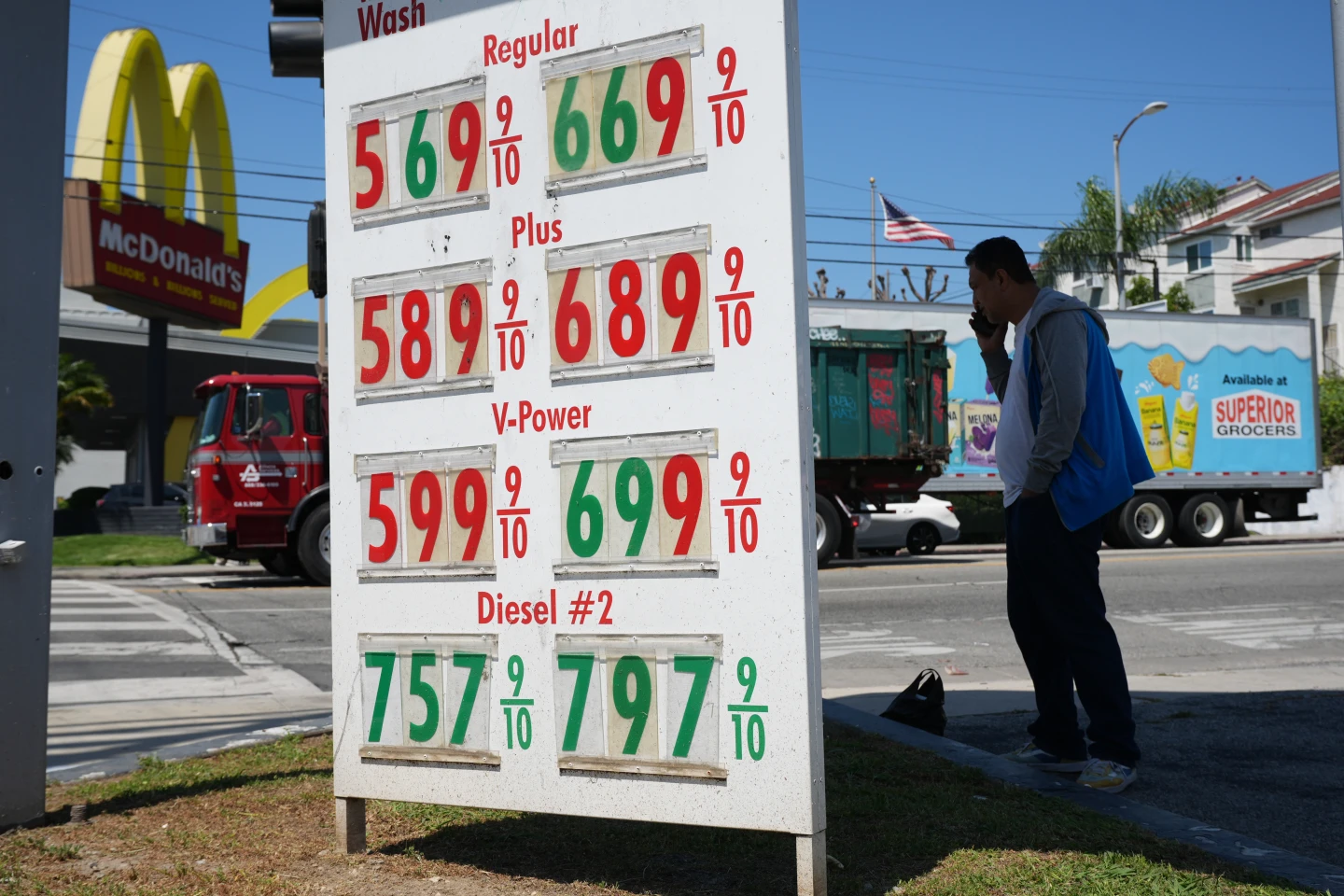
FORT COLLINS, Colo. — Junelle Lewis found a temporary solution to the rising fuel prices in the Seattle area caused by the ongoing Iran war. Using a gas pricing app, she discovered the Tulalip Reservation, a half-hour drive from her home, where gas was priced at $4.84 a gallon, roughly 75 cents less than stations near her location.
Lewis isn't alone; many drivers are now aware that some of the cheapest fuel can be sourced from Native American reservations, which are often exempt from state fuel taxes, allowing them to offer lower prices on gasoline. Locations across states such as California, New Mexico, Oklahoma, New York, and Washington are particularly notable, hosting tribally owned stations that can save consumers money.
Gas Prices and Bargain Hunting
Finding cheaper gas is more accessible than ever, thanks to apps like GasBuddy. Nationally, the average gas price has risen significantly since the start of the Iran war on February 28, now reaching approximately $4.15.
Despite the summer spike exceeding $5 per gallon in 2022, further increases in gas prices are anticipated as geopolitical tensions continue. Similar spikes have driven customers towards tribal gas stations for reprieve.
For example, in eastern New York, gas prices were as low as $3.65 on the Cattauragus Indian Territory, with various stations undercutting nearby towns by 50 cents.
Fuel Tax Exemptions for Tribes
Why are prices on tribal lands markedly lower? The answer lies in tax exemptions. While tribes must pay federal fuel taxes, they are exempt from most state taxes. This exemption has been upheld in U.S. courts, which have consistently ruled that states cannot impose taxes on Native Americans on their own land. Currently, 35 states in the U.S. host federally recognized tribes, allowing them to navigate complex tax structures to offer lower rates at stations.
According to Matthew Klas, a consultant who monitors tribally-owned gas stations, there are approximately 496 convenience stores with gas stations across the U.S., with a concentration in states like Oklahoma and California.
Significance Beyond Savings
Additionally, tribal stores often serve as the only available resource in food deserts, providing not just fuel but essential goods and groceries. As gas stations become primary shopping points for local communities, profits can be cycled back into local services such as roads, education, and health care.
“I like the way the tribe operates,” said Mark Foster, a loyal customer at the Citizen Potawatomi Nation station, highlighting community engagement as another reason for choosing tribal gas stations.
Tulalip Tribes Federal Corporation CEO Tanya Burns noted that rising gas revenues are crucial for funding community needs, providing essential infrastructure and services.
As fuel prices remain a pressing concern, many are finding solace in the prices and community impact of tribally operated gas stations.