In brief
In response to potential fuel shortages due to the ongoing conflict involving the US and Israel's military actions against Iran, Sri Lanka has officially designated Wednesdays as a public holiday. The government aims to manage fuel consumption amid soaring oil prices and increased demand. This decision comes as part of wider austerity measures being implemented across various Asian nations, each adapting strategies to conserve energy and manage resources effectively.
Sri Lanka has declared every Wednesday a public holiday to conserve fuel as the island nation grapples with possible shortages in the wake of the US and Israel's war with Iran.
We must prepare for the worst, but hope for the best, President Anura Kumara Dissanayake said at an emergency meeting with senior officials on Monday.
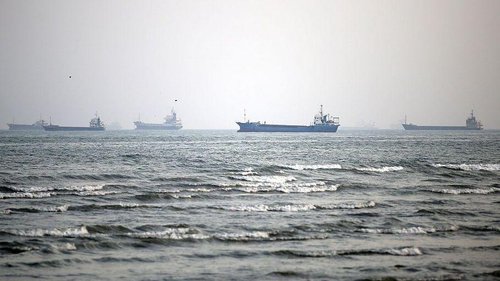
This initiative is part of a series of austerity measures undertaken by Asian countries since the war ignited tensions in the Strait of Hormuz, a crucial channel for oil transport.
Nearly 90% of the oil and gas flowing through the strait last year was bound for Asia—the world’s largest oil-importing region.
What are other Asian countries doing?
Elsewhere in Asia, various governments are implementing their own austerity measures. In Thailand, officials encourage citizens to switch to more casual attire to reduce air conditioning dependence, while Myanmar restricts private vehicle operation to alternate days based on license plates. Bangladesh has adjusted Ramadan holidays in universities, introducing planned energy blackouts nationwide.
Meanwhile, in the Philippines, government offices have mandated remote work at least once a week, with President Ferdinand Marcos Jr. banning non-essential travel in the public sector. Vietnam is urging citizens to minimize personal vehicle use and opt for public transport.
What else is Sri Lanka doing?
The new four-day work week in Sri Lanka is set to apply to schools and universities but will not affect critical state services, including healthcare and immigration.
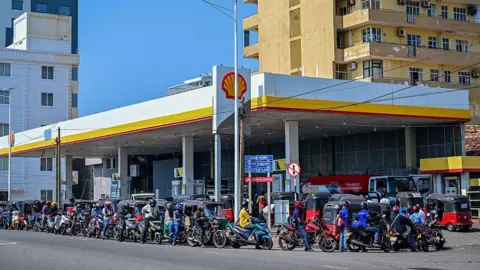
Motorists in Sri Lanka must register for a National Fuel Pass that limits fuel purchases. Many citizens have expressed dissatisfaction with the current fuel rations—15 liters for private cars and five liters for motorcycles—which they consider inadequate.
This rationing system was first initiated during the country’s economic crisis in 2022, which depleted its foreign reserves. Current oil prices have surged in the aftermath of military actions involving Iran, hovering around $100 per barrel.