In brief
A tragic train crash in Adamuz, southern Spain, claimed at least 42 lives in what has been described as the worst rail disaster in over a decade. As investigations begin, the Spanish government and rail authorities are exploring the possible causes, including mechanical failure and track integrity issues. With a history of safe travel, this incident calls into question the future of Spain's high-speed rail system.
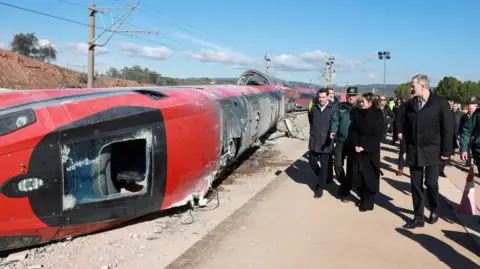
Spain is reeling from the shock of a high-speed train crash that has claimed at least 42 lives, marking the country's deadliest rail incident in more than a decade. The crash occurred on Sunday, January 18, near Adamuz, where two trains collided, prompting an immediate investigation by the CIAF rail investigatory commission to determine the cause.
The Spanish government described the accident as 'extremely strange,' as the route has historically been one of the safest in Europe. The initial investigations point towards mechanical faults as neither train was traveling at excessive speeds, leading officials to rule out human error and sabotage.
Three bodies were recovered from the wreckage by mid-week, with ongoing recovery efforts expected to reveal more victims. The tragedy has stirred a profound sense of confusion and grief in the local community, forcing many to question the safety of a rail system that has been celebrated for its modernity and efficiency since its inauguration.
Experts are now examining the derailed train owned by Italian firm Iryo and investigating the track's integrity due to a broken section being discovered following the collision. The government has been swift to downplay speculations regarding the condition of the rail infrastructure, maintaining that significant financial investments have been made to ensure its safety.
As the investigation unfolds, the Spanish public is demanding transparency and answers. Prime Minister Pedro Sánchez has committed to revealing the findings with full disclosure, emphasizing the importance of learning from this tragedy to potentially safeguard the future of the nation's rail network.