In brief
In Minneapolis, escalating confrontations over federal immigration operations have emerged, with grand jury subpoenas targeting state officials. Federal prosecutors are investigating potential obstruction of law enforcement by local leaders, including Gov. Tim Walz and Attorney General Keith Ellison. This comes after significant public backlash and legal challenges against the government's immigration tactics, particularly following the fatal shooting of Renee Good by an immigration officer. The situation sees Vice President JD Vance planning a local visit to address community leaders amid mounting tension.
MINNEAPOLIS (AP) — Legal confrontations and public outcry surround the ongoing federal immigration enforcement operations in Minnesota.
The tensions boiled over on Wednesday as federal prosecutors served grand jury subpoenas to several state officials, including Governor Tim Walz and Attorney General Keith Ellison. This investigation focuses on whether these officials obstructed immigration enforcement actions in the Minneapolis-St. Paul area.
The subpoenas were issued following heightened public scrutiny of the federal government’s immigration measures, particularly in response to the fatal shooting of Renee Good by an immigration officer. As a result, local leaders have filed legal challenges against what they describe as unconstitutional actions by federal law enforcement.
Evidently, the Justice Department dismissed the state’s lawsuit against the immigration operations as ‘legally frivolous,’ with a spokesperson emphasizing that such challenges undermine law enforcement's essential functions.
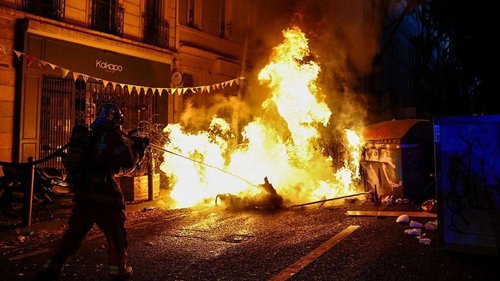
Vice President JD Vance is poised to visit the area for discussions with local leaders, as community response has included vehement protests against federal officers. Demonstrators have actively confronted the immigration officers, prompting the use of tear gas and other crowd control measures during clashes.
Mayor: Subpoenas are to stoke fear
Minneapolis Mayor Jacob Frey criticized the subpoenas, suggesting that they are intended to sow fear among local officials who oppose federal tactics. He emphasized the need for an environment where political pressure does not influence law enforcement practices, expressing concerns about potential overreach.
The subpoenas are tied to allegations of public statements that purportedly encouraged residents to resist immigration enforcement. Critics argue that these actions, along with the ongoing federal operations, create an atmosphere of intimidation and fear within the immigrant community.
Public response amidst turmoil
Public protests have intensified, spurred by recent high-profile incidents, including the death of Renee Good, which circumstances surrounding are contested. Officials claim self-defense, though community activists and video evidence rekindle ire against federal tactics.
Local community organizations, including the Immigrant Law Center of Minnesota, have raised alarms about the lack of transparency in the reported arrest figures, frustrating advocates who seek accountability from federal agencies.
Pastor voices outrage over protests
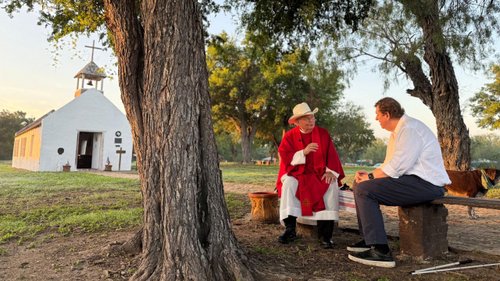
In a striking occurrence, activists disrupted services at a St. Paul church tied to ICE, with strong condemnations from church leaders for violating the sanctity of worship. The incident has spurred calls for the resignation of church officials embroiled in immigration enforcement roles.
As the situation unfolds, officials maintain that the enforcement actions are necessary for public safety. However, community leaders argue that the approach violates constitutional rights and exacerbates societal divides.