In brief
Savannah Guthrie's heartfelt plea to the kidnapper of her 84-year-old mother highlights the dangers posed by artificial intelligence in verifying 'proof of life.' The FBI warns that deepfakes could mislead investigators amidst an ongoing search for Nancy Guthrie, who disappeared from her home. Despite calls for ransom, police have yet to identify any suspects. Investigators remain hopeful about her safety, urging the public to remain vigilant.
When Savannah Guthrie made a heart-wrenching plea to the kidnapper of her 84-year-old mother to send 'proof of life,' she addressed the possibility of people creating deepfakes.
“We live in a world where voices and images are easily manipulated,” she said.
Before artificial intelligence tools proliferated — making it possible to realistically impersonate someone, in photos, sound, and video — 'proof of life' could simply mean sending a grainy image of a person who’s been abducted. That’s no longer true.
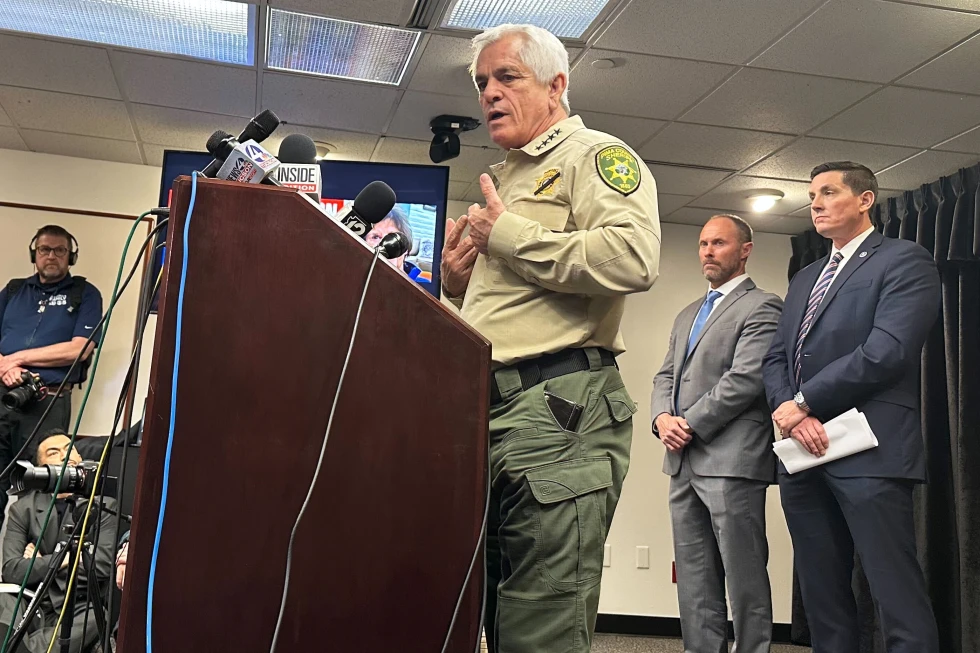
“With AI these days you can make videos that appear to be very real. So we can’t just take a video and trust that that’s proof of life because of advancements in AI,” Heith Janke, the FBI chief in Phoenix, said at a news conference Thursday.
Hoaxes — whether high or low-tech — have long challenged law enforcement, particularly in high-profile cases like Nancy Guthrie’s disappearance last weekend from her home in Tucson.
As technology has advanced, criminals have grown savvy and utilized it to their benefit, confusing police and the public. The FBI warned that people posing as kidnappers can provide seemingly real photos or videos of a loved one along with demands for money.
Police have not indicated they have received any deepfake images of Guthrie. Various news organizations have reported receiving purported ransom notes that they have given to investigators, who view them seriously.
Investigators have expressed belief that she’s 'still out there,' but they have not identified any suspects. A man from California was charged for sending text messages to the Guthrie family seeking bitcoin after following the case on television, but there's no indication he is involved in the disappearance.
In a moving Instagram video, Savannah appeared with her siblings, her voice breaking as she spoke directly to the kidnapper, expressing the family's readiness to communicate but needing reassurance that their mother is alive. Former FBI agent Katherine Schweit noted that images of Nancy could be manipulated into deepfakes.
Ransom demands have evolved over history, reflecting the advancements of the time, from handwritten notes to digital communication. Schweit stated, “Investigative techniques accumulate over time; there’s never less to do as years go by; there’s more.”
Addressing a kidnapper, as Savannah did, is a strategic move to initiate dialogue, aiming to find a way forward.
Janke suggested the FBI's expertise may have influenced Guthrie’s decision to share a video message, emphasizing that the ultimate choices rest with the family.