In brief
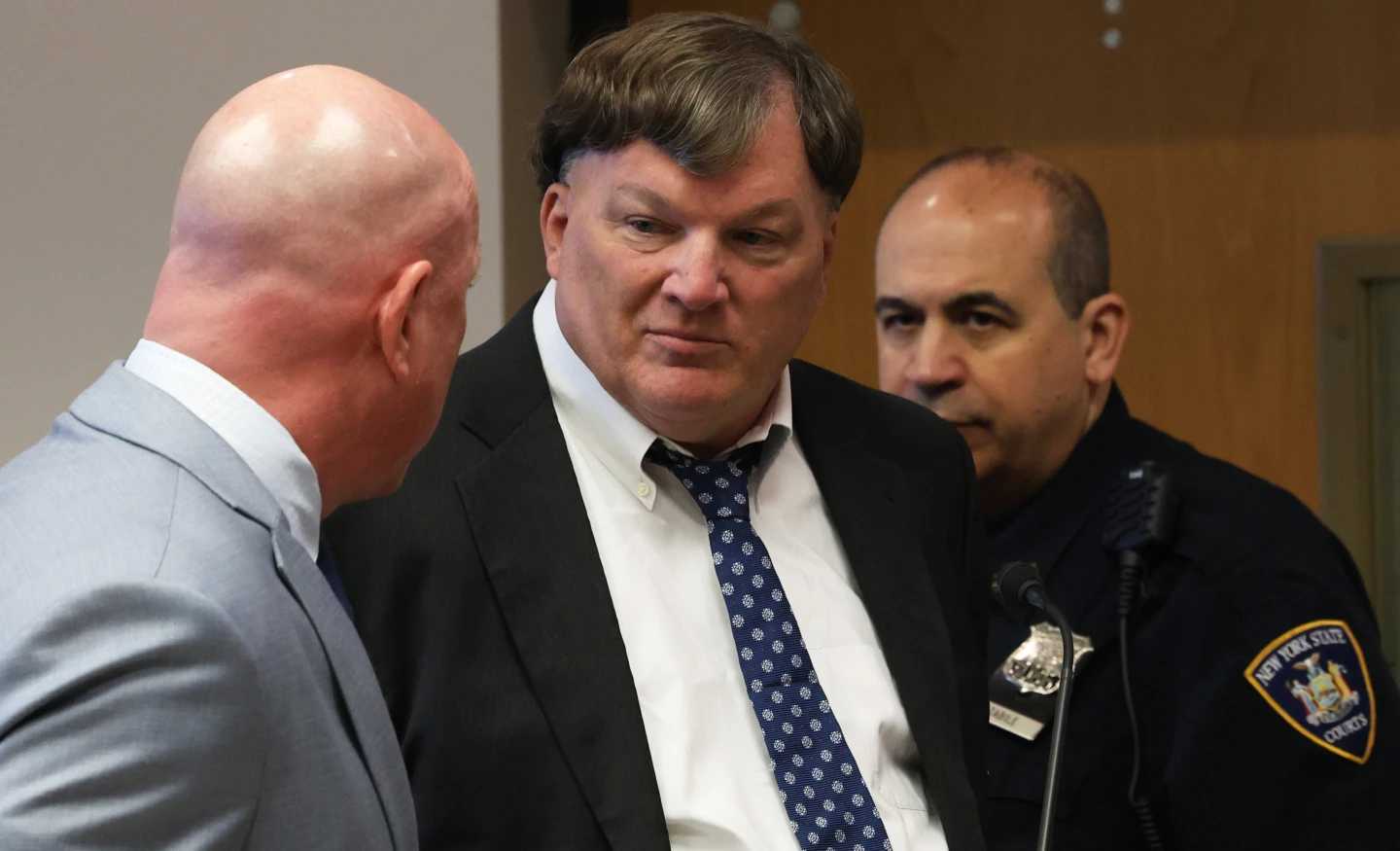
Rex Heuermann, a 62-year-old Long Island architect, admitted to the murders of seven women and revealed an eighth victim, after being implicated in a series of killings along Long Island's South Shore. His plea marks a significant breakthrough in a case that had remained unsolved for over 30 years. Investigators used advanced methods, including DNA analysis from discarded pizza crust, to identify Heuermann as the perpetrator. Victims' families expressed mixed emotions of relief and grief following the announcement.
RIVERHEAD, N.Y. (PulseWire) — Rex Heuermann, a Long Island architect, pled guilty this week to a chilling series of murders that have haunted investigators for over three decades. Known as the Gilgo Beach killings, the case drew national attention following the discovery of multiple human remains along Long Island's South Shore beginning in 2010.
Heuermann, 62, admitted to killing eight women, including seven whose remains were found along Ocean Parkway near Gilgo Beach between 1993 and 2010. He pleaded guilty to three counts of first-degree murder and four counts of intentional murder, leaving family members of the victims to seek solace in finally knowing the truth.
Among the acknowledged victims, Heuermann admitted to strangling Karen Vergata in 1996. Although he has not yet been charged for her murder, the details surrounding her case have been linked with his confession during the proceedings.
In a notable turn of events, police managed to secure DNA evidence that led to his arrest in 2023. This breakthrough came after detectives retrieved a pizza box discarded by Heuermann that contained DNA matching that of materials used to restrain one of the victims. Suffolk County District Attorney Ray Tierney mentioned that the task of apprehending Heuermann required careful investigation tactics to keep him unaware of their progress.
Victims’ families, present in the courtroom as Heuermann entered his guilty plea, expressed a mix of emotions. Many felt a sense of relief but also sadness knowing the tragic ends faced by their loved ones. Melissa Cann, sister of victim Maureen Brainard-Barnes, emphasized the emotional toll on families, stating, This has been a long journey of hope — hope that one day we would stand here and say her name with justice beside it.
Heuermann is set to receive a life sentence without the possibility of parole in June. He has additionally agreed to cooperate with the FBI's behavioral analysis unit to assist in apprehending other serial killers, bringing a glimmer of hope for continued justice in unsolved cases.
The impact of Heuermann's admissions sends ripples through the community and serves as a stark reminder of the ongoing struggles faced by victims and their families in the quest for justice.