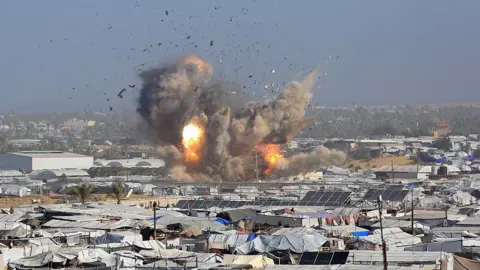
Once again the boom of artillery, rockets and air strikes sounds along the Thai-Cambodian border. Villages in a corridor stretching for hundreds of kilometres have been evacuated for a second time in five months. Families and their pets sit on mats in temporary shelters, wondering when they can go home, and when they might be forced to flee yet again.
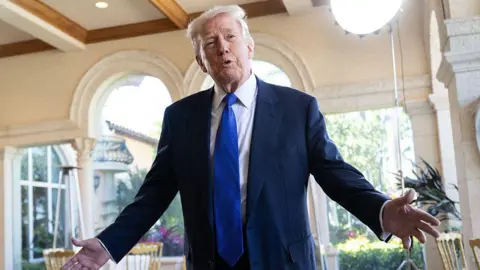
Why has this happened so soon after the ceasefire brokered by US President Donald Trump in July? It was ignited by a seemingly minor incident on Sunday, when a Thai engineering team working on an access road in the disputed area of the border was, according to the Thai army, fired on by Cambodian troops. Two Thai soldiers were injured, neither seriously.
In the past this might have been settled by some fleet-footed diplomacy. But there has been little of that this year. Instead, a yawning gulf of mistrust lies between these two neighbours, one even Trump's deal-making prowess has failed to bridge.
Despite his claim to have struck a historic peace deal, the ceasefire he enforced in July was always tenuous. Thailand was uneasy about internationalising the conflict, agreeing to the ceasefire due to impending tariff negotiations with the US. Cambodia welcomed outside intervention, feeling disadvantaged.
The border has seen consistent confrontations, with Cambodia allegedly laying new land-mines that have wounded Thai soldiers. Tensions escalated when Thailand refused to release captured soldiers and accused Cambodia of bad faith.
With Thai Prime Minister Anutin Charvirakul permitting military autonomy, the army aims to undermine Cambodia's military presence, while both sides maneuver for territorial advantage.
As Cambodia's leadership struggles with public perception and internal politics, the future of the ceasefire remains uncertain. The climate is one of confrontation and suspicion, questioning the effectiveness of future diplomatic engagements.