In brief
Amid escalating tensions between Israel and Iran, a wave of AI-generated disinformation has flooded social media, misleading users about military actions and public opinion. BBC Verify's analysis reveals that both pro-Iranian and pro-Israeli accounts have contributed to the misinformation, making it difficult to discern truth from fiction.
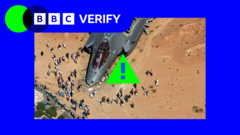
As tensions between Israel and Iran escalate, a concerning surge of AI-driven disinformation has emerged online, with fake narratives and exaggerated visuals flooding social media platforms. Since Israeli airstrikes on Iran commenced on June 13, analysis by BBC Verify has highlighted dozens of manipulated videos and images that aim to amplify Tehran's rhetorical retaliation while misleading audiences about military capabilities.Some of the most viral content includes AI-generated clips boasting of Iran's military strength and fabricated footage portraying the aftermath of strikes on Israeli targets. The analysis shows that three particular fake videos have gained over 100 million views across various platforms, indicating a wide reach. Conversely, pro-Israeli accounts are also sharing disinformation, often repurposing older protest footage from Iran to falsely depict public dissent favoring Israel's military actions.The conflict began with Israeli strikes targeting Iranian positions last week, prompting retaliatory missile and drone attacks on Israel. Geoconfirmed, a platform that examines open-source imagery, described the volume of disinformation as “astonishing,” accusing certain accounts of purposefully profiting from the conflict through misleading content.Among the notable "super-spreaders" of this disinformation are accounts like Daily Iran Military, which have seen significant follower growth – almost doubling from 700,000 to 1.4 million in under a week. Many of these accounts appear official due to verification checks but have no known ties to Iranian authorities, raising concerns about their authenticity.Experts noted this misinformation wave marks the first time generative AI has been exploited on such a scale during an ongoing conflict. AI-generated visuals often depict exaggerated success in military operations, including eye-catching videos showing missile strikes on Tel Aviv, which lack authentic verification.One image claiming to display dozens of missiles targeting Israel garnered a staggering 27 million views. Claims of downed Israeli F-35 fighter jets, however, fell apart under scrutiny, with instances of obvious AI manipulation, including discrepancies in the size of civilian figures compared to nearby objects.Disinformation has not only circulated through lesser-known accounts but also from recognized ones that frequently engage in commentary on the Israel-Gaza war. Some users, seeking to capitalize on the situation, share sensationalist content without due diligence, leading to a proliferation of false narratives. The misuse of AI in these disinformation campaigns has led to social media platforms receiving an influx of queries regarding content validation.Platforms like TikTok and Instagram have stated they enforce community guidelines to limit misleading content, though their effectiveness is currently under question. As users often gravitate towards sensational and emotionally charged content, the rapid spread of such information underscores broader psychological tendencies in how narratives are consumed and shared online.In a complicated media landscape where truth and fiction intertwine, deciphering authentic updates from AI-generated fakes becomes increasingly critical, particularly amid conflicts that hinge on political narratives and public sentiment.