WASHINGTON — According to a recent poll by the Associated Press-NORC Center for Public Affairs Research, over half of U.S. adults express concern regarding President Donald Trump's military interventions in foreign countries, marking a significant sentiment against his aggressive foreign policy initiatives. The survey, conducted following the recent military actions in Venezuela, reveals that 56% of respondents believe Trump has 'gone too far' with his military strategies abroad.
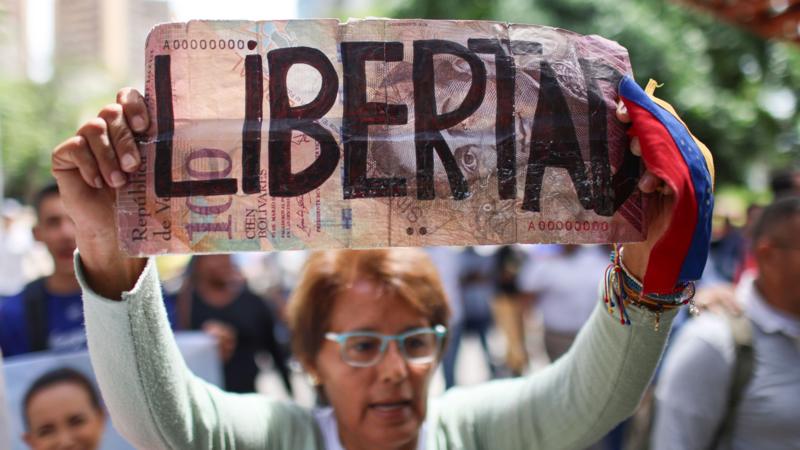
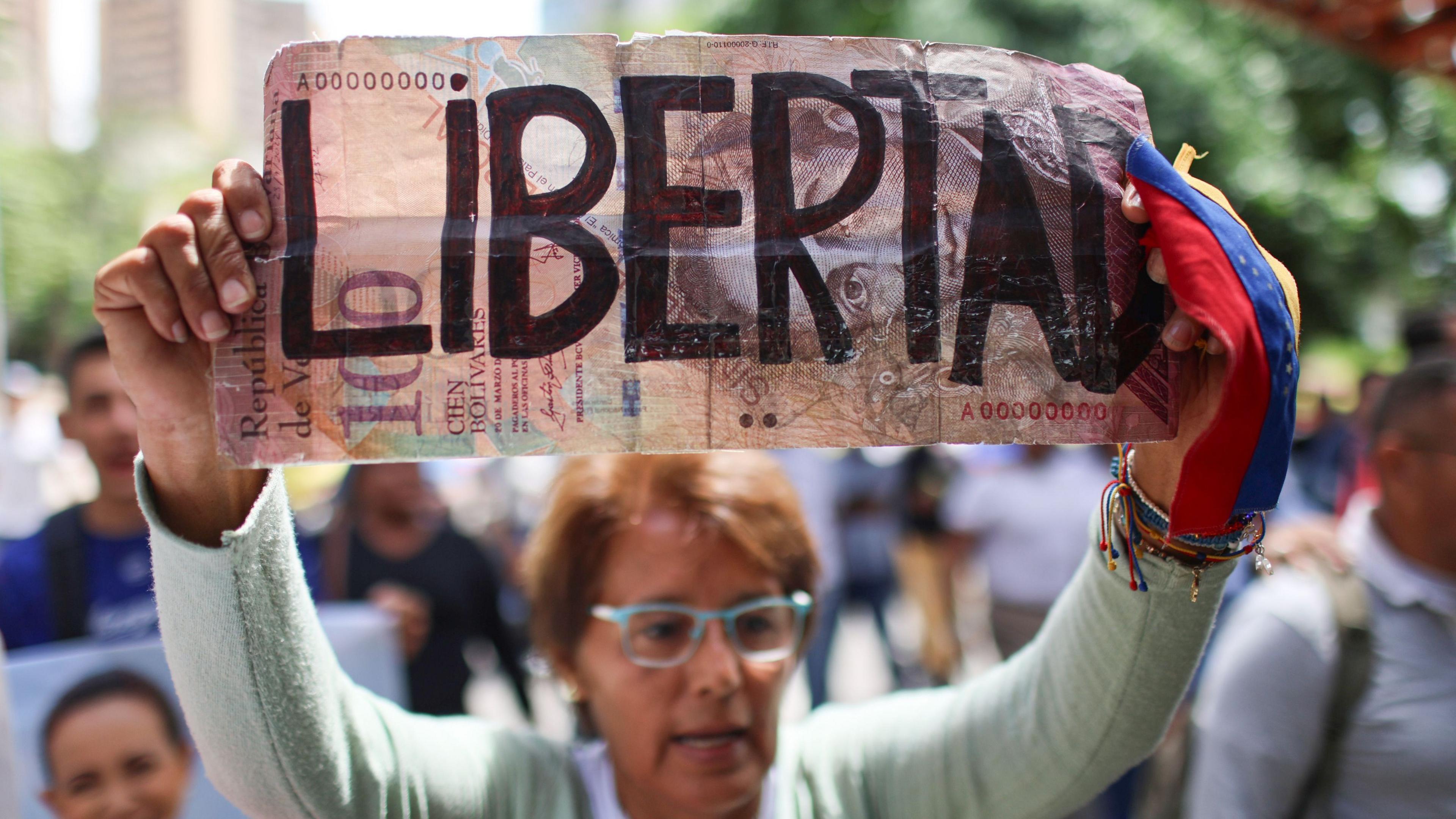
The poll also indicates that majorities disapprove of Trump's handling of foreign policy, with 57% dissatisfied with his approach towards Venezuela specifically. Trump's military involvement ranges from attempts to gain control over Venezuelan oil to provocative comments regarding Greenland.
While Republicans generally align with Trump’s military standpoint, a notable faction of the electorate—especially Democrats—strongly disagree with his military tactics, with about 90% of Democrats and 60% of independents asserting that Trump has overreached. Only about 20% of Republicans share this view, as 71% feel his actions have been 'about right.'
The public is divided when it comes to perceiving the benefits of U.S. action in Venezuela, particularly regarding drug trafficking. Nearly half of Americans see military intervention as mostly beneficial for halting the flow of illegal drugs, although opinions vary on whether it positively affects U.S. economic interests and national security.
The poll suggests that a significant number of Americans are in favor of a less active U.S. role in international affairs, with nearly half expressing this desire. This reflects a shift in public sentiment, particularly from Democrats and independents, as even some Republicans have begun to acknowledge that the current level of involvement may be appropriate.
Overall, the poll reveals a landscape of disagreement amongst Americans regarding military interventions and foreign policy, highlighting the complexities and divisions that characterize current national sentiment.
The poll also indicates that majorities disapprove of Trump's handling of foreign policy, with 57% dissatisfied with his approach towards Venezuela specifically. Trump's military involvement ranges from attempts to gain control over Venezuelan oil to provocative comments regarding Greenland.
While Republicans generally align with Trump’s military standpoint, a notable faction of the electorate—especially Democrats—strongly disagree with his military tactics, with about 90% of Democrats and 60% of independents asserting that Trump has overreached. Only about 20% of Republicans share this view, as 71% feel his actions have been 'about right.'
The public is divided when it comes to perceiving the benefits of U.S. action in Venezuela, particularly regarding drug trafficking. Nearly half of Americans see military intervention as mostly beneficial for halting the flow of illegal drugs, although opinions vary on whether it positively affects U.S. economic interests and national security.
The poll suggests that a significant number of Americans are in favor of a less active U.S. role in international affairs, with nearly half expressing this desire. This reflects a shift in public sentiment, particularly from Democrats and independents, as even some Republicans have begun to acknowledge that the current level of involvement may be appropriate.
Overall, the poll reveals a landscape of disagreement amongst Americans regarding military interventions and foreign policy, highlighting the complexities and divisions that characterize current national sentiment.