In brief
In southern Kenya near Amboseli National Park, 15 elephants were found dead, with laboratory tests detecting cyanide in carcass samples, pointing to pesticide‑treated tomatoes from nearby farms as the likely culprit. Ten animals exhibited paralysis before dying, while five were already deceased when discovered. Wildlife authorities rule out foul play and emphasise that the toxins pose no immediate risk to humans, but the incident raises concerns over expanding farming activities that draw elephants into agricultural fields. This marks a first major mortality wave in decades, despite strong progress against poaching in the region. The deaths affected elephants across ages and sexes, indicating a widespread impact.
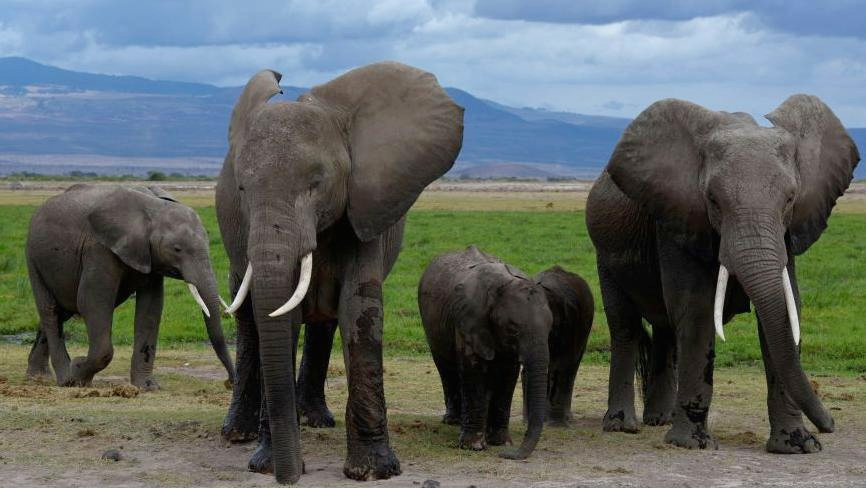
Fifteen elephants were found dead in southern Kenya around Amboseli National Park, and preliminary tests indicate pesticide‑treated tomatoes may have caused their deaths.
The Kenya Wildlife Service (KWS) reported that lab analyses detected cyanide in tissue samples from the carcasses. Ten of the animals showed signs of paralysis before succumbing, while five were already deceased when they were discovered.
Investigations are ongoing, but authorities have ruled out foul play and assured the public that the toxins pose no immediate danger to humans. The incident has heightened concerns over the rapid expansion of farmland adjacent to the park, as elephants often wander into crops seeking food and water.
The Amboseli ecosystem spans both Kenya and Tanzania and hosts over 2,000 elephants, according to the Amboseli Trust for Elephants. This is the first large scale mortality event in decades, even as anti‑poaching measures have been highly effective.
Carcasses from varied ages and sexes were found, suggesting the poisoning did not target a single herd or demographic group.
KWS notes that the deaths occurred over a one‑month period from 24 June to 24 July 2026, adding to the urgency of addressing pesticide residues near wildlife habitats.