In brief
Pakistan's unexpected role as a mediator in the Iran conflict stems from its strategic relationships and cultural ties. With a significant interest in peace, Pakistan has positioned itself diplomatically, despite ongoing conflicts with its neighbors. The situation invites scrutiny over its balancing act between various geopolitical pressures and the implications for its national interests.
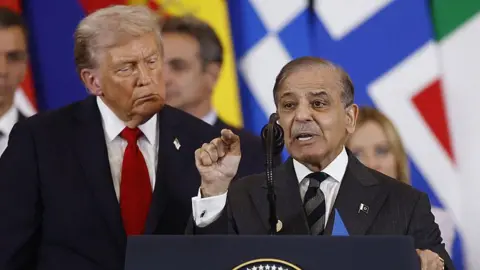
Pakistan has taken many observers by surprise by positioning itself as a potential mediator in the Iran war. This unexpected move arises from its long-standing relationships with both the United States and Iran, influenced significantly by Field Marshal Asim Munir's rapport with US President Donald Trump.
With deep cultural connections to Iran and a shared border of about 900km, Pakistan has claimed a unique stance, distancing itself from typical intermediaries in the Gulf that have been embroiled in conflicts. Unlike many US allies in the region, Pakistan has not been affected directly by the conflict, allowing it to act as a neutral party.
However, this diplomatic maneuvering comes with significant risks. There are rising tensions particularly with neighboring countries like Afghanistan and India, and critics question how Pakistan can advocate for peace when it faces conflicts of its own.
Moreover, Pakistan’s economic dependency on oil imports traveling through the Strait of Hormuz adds pressure to its involvement, as disruption in this area could have dire effects on its economy. Pakistani officials have voiced concerns about rising fuel costs and the economic fallout if the war continues.
Simultaneously, a defense agreement with Saudi Arabia complicates Pakistan's position further, raising alarms about possible escalations if the Gulf nation were to engage in the conflict.
Despite these challenges, the Pakistani government has balanced its diplomatic efforts by engaging with both Iran and the US, thereby enhancing its potential as a mediator. The success of these endeavors could elevate Pakistan’s status on the global diplomatic stage, making the stakes high for the country.
As Pakistan navigates these complex waters, the ongoing conciliatory efforts and the outcomes of meetings with Iranian and US officials remain to be seen, with the hope for de-escalation playing a crucial role in its international relations strategy.