In brief
The P39-1 road in KwaZulu-Natal gained international attention when Trump described it as a burial site for murdered Afrikaners. Local residents emphasize it was a temporary memorial, revealing deeper issues of race relations in South Africa.
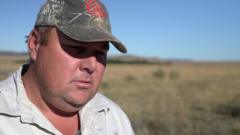
The P39-1 road in South Africa's KwaZulu-Natal province recently captured international attention for reasons its local community never anticipated. The winding highway connects the towns of Newcastle and Normandein, a four-hour journey from Johannesburg, and was wrongfully branded as a "burial site" by former US President Donald Trump following a confrontation with President Cyril Ramaphosa in a video aired from the Oval Office.In the video, Trump asserted that the countless white crosses lining the road represented the graves of over a thousand murdered Afrikaners, a claim that caught many eyes on social media. However, local residents quickly emphasized that this portrayal is not only misleading but entirely incorrect.The memorial was established after the brutal murder of Roland Collyer's aunt and uncle five years ago. An outcry from the local Afrikaner community, spurred by their tragic deaths, led to the temporary placement of crosses along the road to symbolize the loss of lives in similar rural attacks over the years. During a visit to the site, Collyer explained that the crosses were meant to convey a message about the violence faced by farmers, not to denote a burial ground.The community expressed shock at being thrust into the global spotlight, with many locals disputing Trump's claims. Nearby, businessman Rob Hoatson, who organized the original memorial, reaffirmed to reporters that the crosses were part of a temporary display intended to raise awareness rather than a permanent memorial.Even within the community, the issue surrounding the murders of the Raffertys has heightened racial tensions over the years. Soon after, local law enforcement made notable arrests, yet frustration remains over unsolved crimes that contribute to a climate of fear.South Africa continues to grapple with complex socio-political dynamics. While Collyer and others acknowledge incidents specific to the Afrikaner farming community, many locals, irrespective of their racial backgrounds, reaffirm their commitment to coexistence and cooperation. In conversations with community members, it is evident that the community is trying to move forward amid fears and historical grievances.The spotlight on the P39-1 road is more than just a media misrepresentation; it underscores a deeper examination of race relations in South Africa. Local voices advocate for a future where communities can unite, emphasizing that many people, black and white, share a desire for peace and stability in the diverse nation.