In brief
President Daniel Ortega announced a proposal to extend his presidential term by another year, slated for approval by the National Assembly in September. The plan also aims to bar opposition members deemed “traitors” or “coup plotters” from future elections. Ortega’s rule has already seen the removal of term limits, the appointment of his wife as co‑president, and a rise in political repression. The move follows a history of crackdowns on dissent, raising concerns about the future of democracy in Nicaragua.
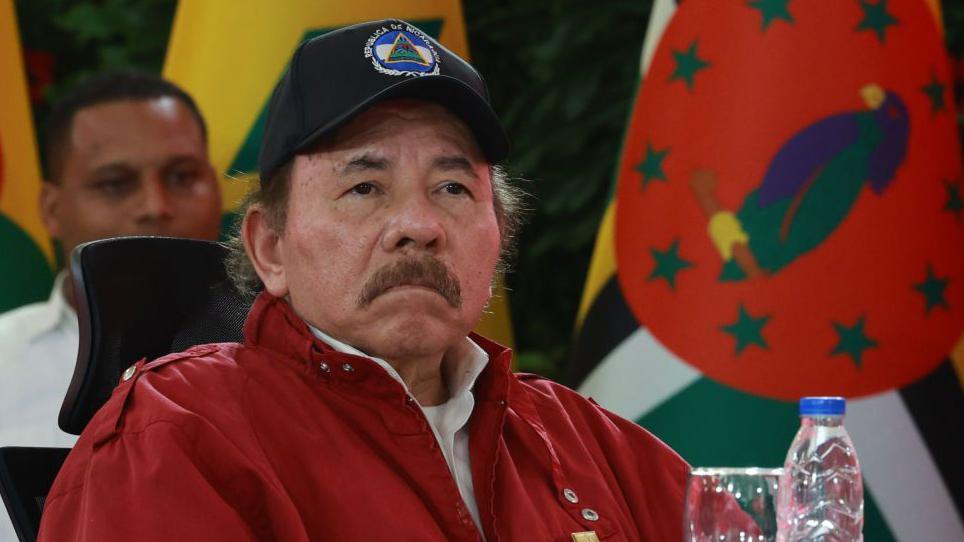
President Daniel Ortega, who has held the office since 2007, has announced a proposal to extend his presidential term by another year as part of a wide‑ranging constitutional reform. The change is expected to be approved by the government‑controlled National Assembly in September.
The reform package also seeks to bar members of the opposition that the government labels as traitors or coup plotters from running for office. It reflects the increasingly authoritarian trend that has seen the removal of term limits and the elevation of Ortega’s wife, Rosario Murillo, to co‑president.
Ortega’s rule has become sharper in recent years, with political opponents jailed, exiled and stripped of citizenship. The move comes on top of earlier changes: in 2014 the National Assembly scrapped presidential term limits and in 2024 it extended the term from five to six years.
Under the new plan, Ortega could remain in office until the end of 2028, while Rosario Murillo would be positioned to take over if the president is declared permanently absent. Critics argue that the package further erodes democracy and consolidates Ortega’s grip.
The last presidential elections, held in November 2021, were a one‑sided contest that saw Ortega win after a brutal crackdown on opposition. Several potential rivals were denied candidacy, while dozens of opposition figures were arrested or forced into exile, according to the United Nations human rights chief Volker Türk.
Reports suggest that 300 protesters were killed during the 2018 security‑force clash, and that citizens who dissent now face escalating repression. Political prisoners in exile are often stripped of citizenship and have their homes seized or sold.