BREAKING: A U.S. citizen has been acquitted of illegally voting in the 2018 election following a landmark ruling that declared her case an example of government entrapment. Maria Dearaujo, 63, was found not guilty Tuesday in Franklin County Common Pleas Court after Judge Chris Brown sided with her defense’s argument that a Bureau of Motor Vehicles clerk led her to commit the crime she wouldn’t have otherwise committed.
The verdict—a major victory for the defense—comes just days after Ohio Attorney General Dave Yost’s office indicted Dearaujo and five others for voter fraud in a campaign that became political ammunition during Donald Trump’s election-season claims of widespread voter fraud. Had she been convicted, Dearaujo would have faced up to 18 months in prison.
Judge Brown, a Democrat, cited Dearaujo’s testimony and documentary evidence, stating: 'The defendant testified she never thought about voting or intended to vote until a BMV clerk, a government official, told her to register.' The ruling confirmed she only voted after being misled by the clerk during a 2015 vehicle registration renewal, which the judge found constituted entrapment.
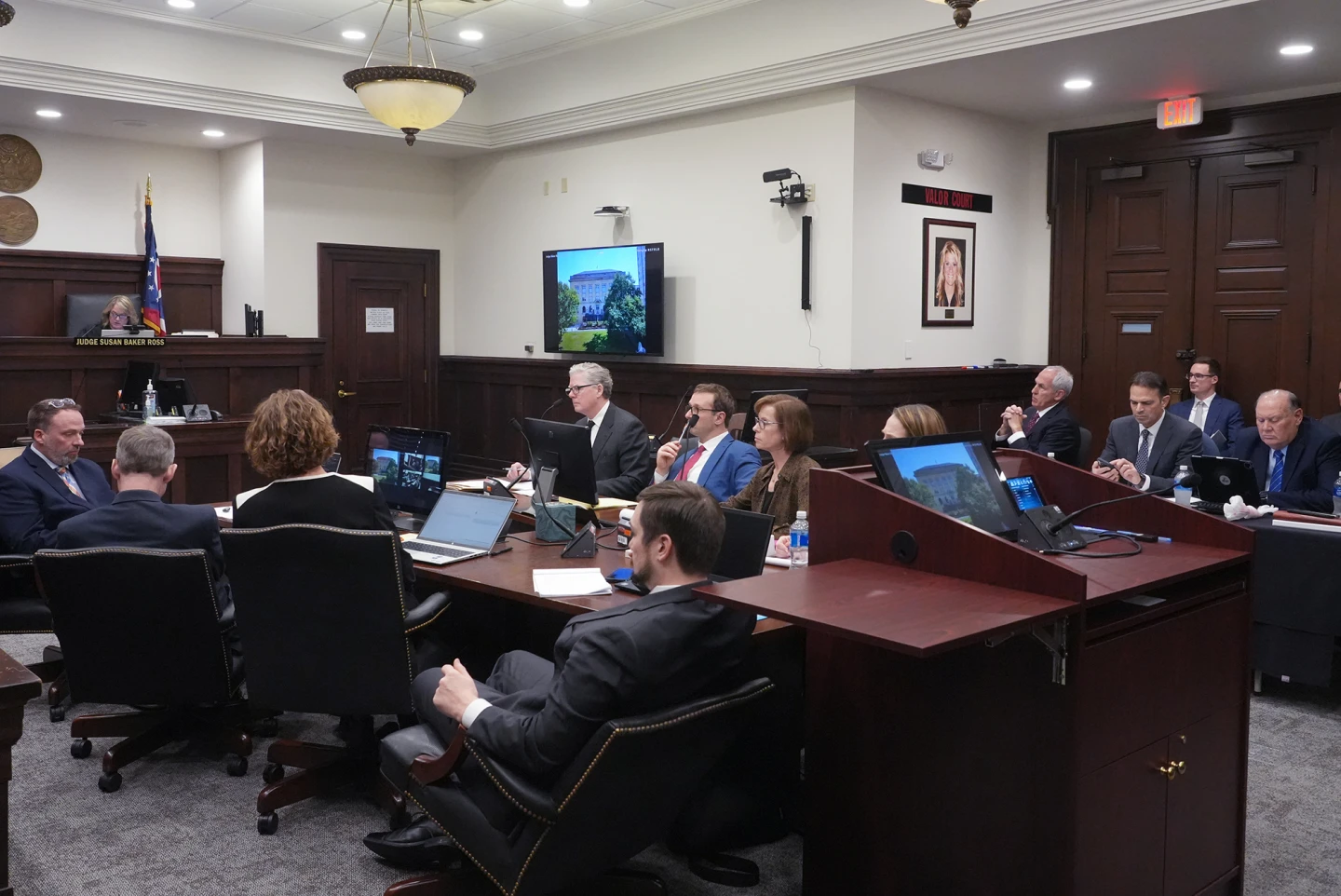
At the hearing, Dearaujo, who immigrated from Brazil in 1993 and was naturalized as a U.S. citizen 30 years later, clasped her hands in prayer-like fashion when the verdict was announced and appeared to cry. 'Thank you, thank you, thank you,' she said to Judge Brown and her public defender, Jason Inman, before the courtroom erupted in applause.
The ruling delivers a crushing defeat to Yost, whose aggressive voter fraud prosecution coincided with his failed 2026 gubernatorial campaign and Trump’s anti-immigration rhetoric. 'The timing of this indictment was fishy,' Brown had previously stated in a pre-trial hearing, accusing Yost of using Dearaujo as a 'political prop.'
While cleared of state charges, Dearaujo could still face federal repercussions. Immigration lawyer Mark Nesbit warned: 'Her citizenship application contained false statements. Under Trump’s administration, denaturalization is happening at an unprecedented rate.' The Department of Justice could argue she misrepresented her status to become naturalized, potentially leading to deportation.
This case reveals a stark disconnect between Yost's 'political prosecution' narrative and reality: Dearaujo voted after being explicitly told by a government employee she was eligible—a claim she later confirmed she didn't know was illegal. The Ohio Secretary of State's office had discovered her error in 2019, sending her a letter demanding she confirm citizenship or cancel her registration.
The ruling also exposes flaws in Ohio's voter registration system. Dearaujo's 2005 registration form included a circle around 'YES' to citizenship, but she denied signing it. Her 2015 registration update lacked the citizenship question, and clerks relied on her prior 2005 attestation without verification.
Yost's office has remained silent on appeals, though he recently announced plans to resign as attorney general to join a conservative legal advocacy group. His replacement, Andy Wilson, has stated he's reviewing all current cases.
This verdict contrasts sharply with other cases in Yost's voter fraud prosecution. A Cuyahoga County suspect was indicted for an election where he was already dead, and another defendant, 78-year-old Lorinda Miller, avoided conviction through an intervention. Only Nicholas Fontaine, a Canadian immigrant, entered a guilty plea knowing it could trigger deportation.
As the dust settles, Dearaujo's case has reignited debate about voter fraud prosecutions. The judge's emphasis on entrapment challenges narratives of widespread voter fraud, while highlighting systemic vulnerabilities in voting registration. For now, Dearaujo—who works in a factory and has one adult son—remains focused on her future: 'I don't feel guilty,' she said.
PulseWire readers: Share your perspective on this case. Did the judge's ruling set an important precedent for voter fraud prosecutions? Comment below with your analysis. (See full story: [Link to original source])}
The verdict—a major victory for the defense—comes just days after Ohio Attorney General Dave Yost’s office indicted Dearaujo and five others for voter fraud in a campaign that became political ammunition during Donald Trump’s election-season claims of widespread voter fraud. Had she been convicted, Dearaujo would have faced up to 18 months in prison.
Judge Brown, a Democrat, cited Dearaujo’s testimony and documentary evidence, stating: 'The defendant testified she never thought about voting or intended to vote until a BMV clerk, a government official, told her to register.' The ruling confirmed she only voted after being misled by the clerk during a 2015 vehicle registration renewal, which the judge found constituted entrapment.
At the hearing, Dearaujo, who immigrated from Brazil in 1993 and was naturalized as a U.S. citizen 30 years later, clasped her hands in prayer-like fashion when the verdict was announced and appeared to cry. 'Thank you, thank you, thank you,' she said to Judge Brown and her public defender, Jason Inman, before the courtroom erupted in applause.
The ruling delivers a crushing defeat to Yost, whose aggressive voter fraud prosecution coincided with his failed 2026 gubernatorial campaign and Trump’s anti-immigration rhetoric. 'The timing of this indictment was fishy,' Brown had previously stated in a pre-trial hearing, accusing Yost of using Dearaujo as a 'political prop.'
While cleared of state charges, Dearaujo could still face federal repercussions. Immigration lawyer Mark Nesbit warned: 'Her citizenship application contained false statements. Under Trump’s administration, denaturalization is happening at an unprecedented rate.' The Department of Justice could argue she misrepresented her status to become naturalized, potentially leading to deportation.
This case reveals a stark disconnect between Yost's 'political prosecution' narrative and reality: Dearaujo voted after being explicitly told by a government employee she was eligible—a claim she later confirmed she didn't know was illegal. The Ohio Secretary of State's office had discovered her error in 2019, sending her a letter demanding she confirm citizenship or cancel her registration.
The ruling also exposes flaws in Ohio's voter registration system. Dearaujo's 2005 registration form included a circle around 'YES' to citizenship, but she denied signing it. Her 2015 registration update lacked the citizenship question, and clerks relied on her prior 2005 attestation without verification.
Yost's office has remained silent on appeals, though he recently announced plans to resign as attorney general to join a conservative legal advocacy group. His replacement, Andy Wilson, has stated he's reviewing all current cases.
This verdict contrasts sharply with other cases in Yost's voter fraud prosecution. A Cuyahoga County suspect was indicted for an election where he was already dead, and another defendant, 78-year-old Lorinda Miller, avoided conviction through an intervention. Only Nicholas Fontaine, a Canadian immigrant, entered a guilty plea knowing it could trigger deportation.
As the dust settles, Dearaujo's case has reignited debate about voter fraud prosecutions. The judge's emphasis on entrapment challenges narratives of widespread voter fraud, while highlighting systemic vulnerabilities in voting registration. For now, Dearaujo—who works in a factory and has one adult son—remains focused on her future: 'I don't feel guilty,' she said.
PulseWire readers: Share your perspective on this case. Did the judge's ruling set an important precedent for voter fraud prosecutions? Comment below with your analysis. (See full story: [Link to original source])}