In brief
Across the U.S., small groups are working to rebuild social ties as Americans grapple with unprecedented levels of loneliness. Reports indicate declining memberships in civic organizations and religious groups, with roughly one in six adults feeling lonely. Initiatives in cities like Akron, Baltimore, and Pittsburgh are emerging to cultivate community and support through shared activities, local resources, and emotional connections. Former Surgeon General Vivek Murthy emphasizes the importance of a movement towards social connection, as groups recognize that addressing disconnection is essential for holistic community health.
Across the U.S., small groups are working to rebuild social connections amid rising loneliness in their own modest ways.
It sounds simple — building relationships. But they’re up against powerful cultural forces.
By many measures, Americans are socially disconnected at historic levels.
They’re joining civic groups, clubs and unions at lower rates than in generations. Recent polling shows that membership rates in religious congregations are around the lowest in nearly a century. Americans have fewer close friends than they used to. They trust each other less. They’re hanging out less in shared public places like coffee shops and parks.
About one in six adults feels lonely all or most of the time, a figure that rises to one in four among young adults.
No one has a simple solution. But small groups with diverse missions and makeups are recognizing that social disconnection is a significant part of the problems they’re trying to address, and reconnection is part of the solution.
There’s a Baltimore neighborhood trying to build a culture of giving and mutual support, and a Pittsburgh ministry focused on healing those wounded by poverty and violence. In Kentucky, a cooperative is supporting small farmers in hopes of strengthening their rural communities, while groups in Ohio are restoring neighborhoods and neighborliness.
“We need to build a movement centered around connection,” former Surgeon General Vivek Murthy told The Associated Press. “The good news is that that movement is already starting to build. … What we have to do now is accelerate that movement.”
In 2023, Murthy issued a report on an “epidemic of loneliness and isolation,” similar to previous surgeon generals’ reports on smoking and obesity. Social isolation and loneliness “are independent risk factors for several major health conditions, including cardiovascular disease, dementia, depression, and premature mortality,” it said.
Finding ‘personal connections’ in Akron
Murthy recently met with groups working toward community repair in Akron, Ohio, as part of his new Together Project, supported by the Knight Foundation.
Local leaders like Zac Kohl of the Well Community Development Corp. are fostering affordable housing and social gatherings in a marginalized neighborhood.
Encouragingly, families have resumed trick-or-treating after years of largely dormant Halloweens in the area.
“Those types of things make a big difference,” Kohl said. “It’s not just a safe, dry roof over your head. It’s the personal connections.”
A revitalized lakefront is now a social hub, bringing joggers, fishers, and families together to connect with nature and each other, as noted by Erin Myers of the Akron Metropolitan Housing Authority.
Neighbors ‘responsible for each other’ in Baltimore
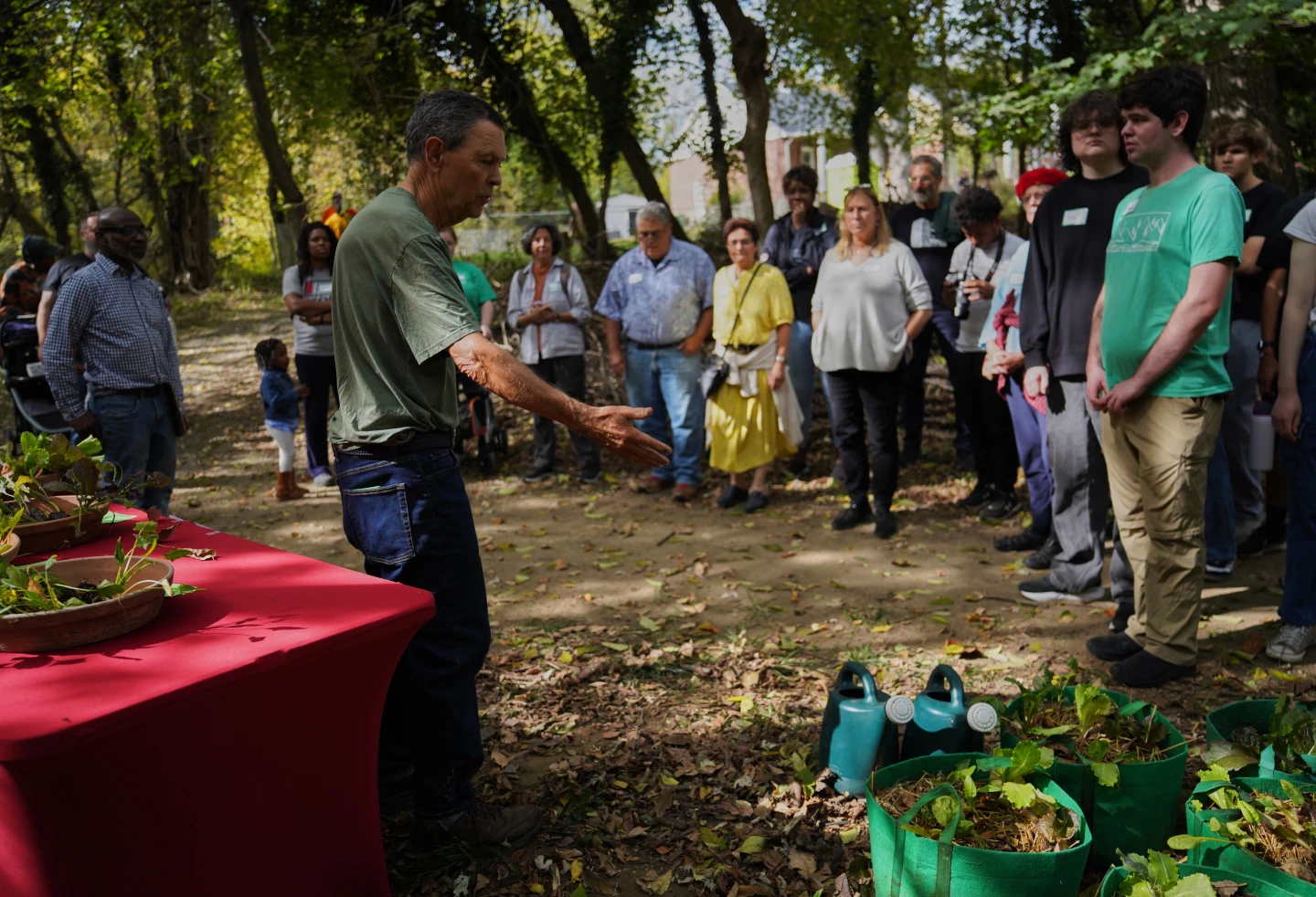
In Baltimore, communities are cultivating relationships through initiatives like the Baltimore Gift Economy, where neighbors collectively support one another during hardships.
Participants share food and help each other out in ways that strengthen social bonds, as expressed by community members committed to creating a caring environment.
Connecting to the land and each other in Kentucky
In New Castle, Kentucky, local farmers unite through a cooperative to rejuvenate agricultural ties and community spirit. The cooperative helps small farmers stay afloat and reinforces regional commerce, instilling hope for a connected and collaborative future.
Healing ‘block by block’ in Pittsburgh
The Neighborhood Resilience Project in Pittsburgh emphasizes the importance of community building to combat social isolation through trauma-informed development initiatives aimed at fostering health, trust and cooperation.
Efforts like these highlight the ongoing battle against loneliness and the need for a rekindled sense of togetherness at every level of society.