In brief
Six months after Hurricane Beryl wreaked havoc on Barbados, the local fishing industry is still grappling with the repercussions, as fishermen and their families strive to recover from the storm's devastation.
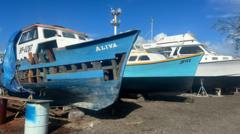
The aftermath of Hurricane Beryl in July has left the fishing industry in Barbados in a precarious state, with substantial damage sustained by boats and the livelihoods attached to them. In Bridgetown's temporary boatyard, numerous vessels lie in ruin, showcasing the hurricane's destruction. Among the 88 boats lost, many were small family businesses that served as sole income sources for their owners. Fishermen like Charles Carter, who restored his vessel after significant financial strain, share a common sentiment: "The fishing industry is mash up." Government support has facilitated the repair and return of some boats, yet the fishing community is acutely aware of the rising threats posed by climate change. Dr. Shelly Ann Cox, the island’s Chief Fisheries Officer, highlights troubling shifts in sea conditions, which complicate fishing efforts and affect critical species such as flying fish—an integral part of Barbadian culture.At the Oistins Fish Market, although fish remain available, the turmoil in the industry has strained operations, with fishermen noting unprecedented changes in weather patterns and fishing conditions. Long-time fishermen like Cornelius Carrington emphasize the unusual hurricane trajectory and lament the subsequent impact on fish stocks and tourism, prompting losses for restaurants and hotels reliant on local seafood. Public awareness around climate change is gaining momentum, with younger generations increasingly concerned about their island's future. Initiatives led by NGOs aim to educate students on sustainability and the urgent need to advocate for change globally, a sentiment echoed by both students and the Prime Minister of Barbados, Mia Mottley.The narrative of resilience is evident in the financial and emotional toll on those affected. Steven Bourne, a lifelong fisherman who lost two boats to Beryl, describes a rapidly changing coastline, underscoring the dire necessity for adaptation. Meanwhile, the government acknowledges the dramatic increase in hurricane intensity and frequency, prompting a reassessment of disaster management strategies.As the fishing community in Barbados strives to recover, they are aware that their future is intertwined with the global response to climate change, urging collaboration to tackle the challenges ahead.