In brief
In southeastern Nigeria, community hero Chukwuemeka Igwe—known as the Vulture King—defends a sacred forest and uses traditional beliefs to protect vultures. After a steep decline due to hunting, trade and poisoning, the bird population in Awka‑Etiti has rebounded, thanks to local patrols and community bylaws. Yet the threat of illegal capture and habitat loss remains.
NGUMA SHROUDED FOREST & VULTURE KING
Safer skies in West Africa are disappearing.
Vultures—essential clean‑ups that curb disease—have vanished from many cities.
In the eastern town of Awka‑Etiti, however, a local hero has reversed the trend.
CHUKWUEMKA IGW 'KING OF VULTURE'
Chukwuemeka Igwe, a 50‑year‑old community volunteer, earned the nickname “King of Vulture” for his work with the Nigeria Conservation Foundation.
He says the indigenous people of Awka‑Etiti never hunt vultures; they bring fresh animal sacrifices to the Nguma shrine, and the birds’ presence confirms the deity’s acceptance.
Recently, Igwe noticed outsiders coming in to hunt the birds. He began patrols and spoke to market merchants, telling them that vultures are vital to human life.
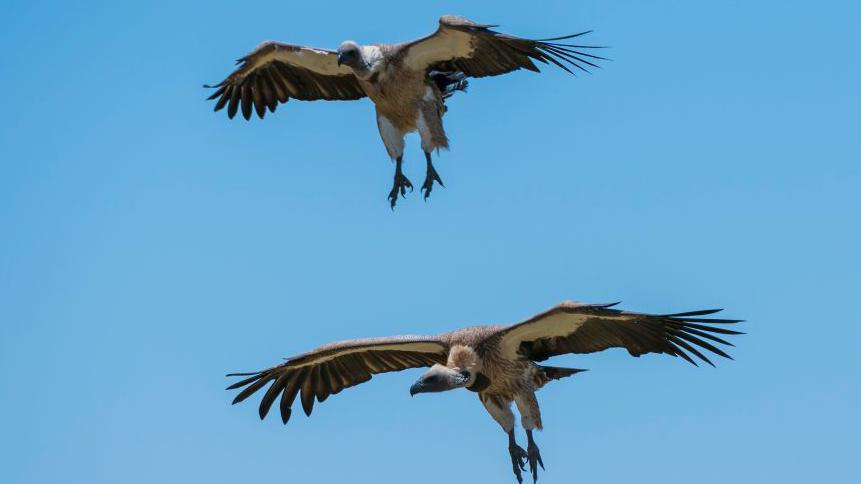
In 2017, the town counted about 20 vultures. Now, community monitors record more than 160.
THE IMPORTANCE OF VULTURES
Vultures shred carcasses within hours, stopping the spread of bacterial and viral disease.
When populations collapse, African communities see spikes in zoonotic illnesses.
Scientists warn that every missed bird adds risk to people.
The slow rebirth in Awka‑Etiti shows how community stewardship can protect wildlife.
Local bylaws now criminalise outside hunters, and the sacred forest remains a safe haven.
THREATS REMAIN
Poisoning accounts for 60% of vulture deaths.
Nigeria is a major hub for illegal trade of birds and their bodies; smugglers seize protected species.
Customs officials arrest some traffickers, but enforcement alone isn’t enough.
Igu, 96% of Vulture face extinction; 7 species are listed as Endangered or Critically Endangered.
Conservationists want a regional plan.
WHAT’S NEXT
Igwe believes Awka‑Etiti shows what happens when people own conservation.
But Africa’s vultures need more than one community.
Scientists and policymakers must expand protection, education, and anti‑poisoning measures.
High‑resolution photo from BBC Africa via Getty Images: a pair of vultures in flight over Nigeria’s sky.