For months, U.S. spies had been monitoring Venezuelan President Nicolás Maduro's every move. A small team, including one source within the Venezuelan government, had been observing where the 63-year-old slept, what he ate, what he wore, and even his pets.
In early December, a planned mission dubbed 'Operation Absolute Resolve' was finalized. It was the result of months of meticulous planning and rehearsals, which included elite U.S. troops creating an exact replica of Maduro's Caracas safe house to practice their entry routes.
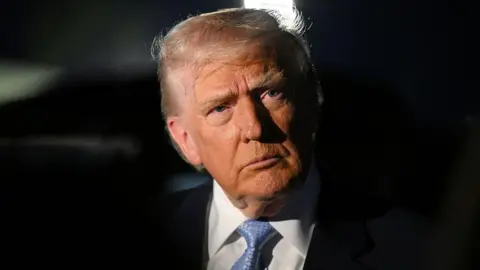
The operation marked an extraordinary U.S. military intervention in Latin America not seen since the Cold War, kept secret from Congress. Following a delay for optimal conditions, President Trump approved the mission just hours before it commenced, leading to a swift and deadly two-hour operation.
The U.S. military deployed over 150 aircraft and a contingent of special forces, managing to penetrate Maduro's heavily fortified residence despite his awareness of the assault. The operation resulted not only in Maduro's capture but also drew strong condemnation from various global leaders, particularly from Latin American countries.
As the dust settled, Trump praised the operation while emphasizing the need for surprise in such missions. Maduro, reportedly attempting to flee, was apprehended alongside his wife, with both facing potential charges in the U.S. The event has raised significant questions regarding U.S. intervention strategies and international law.