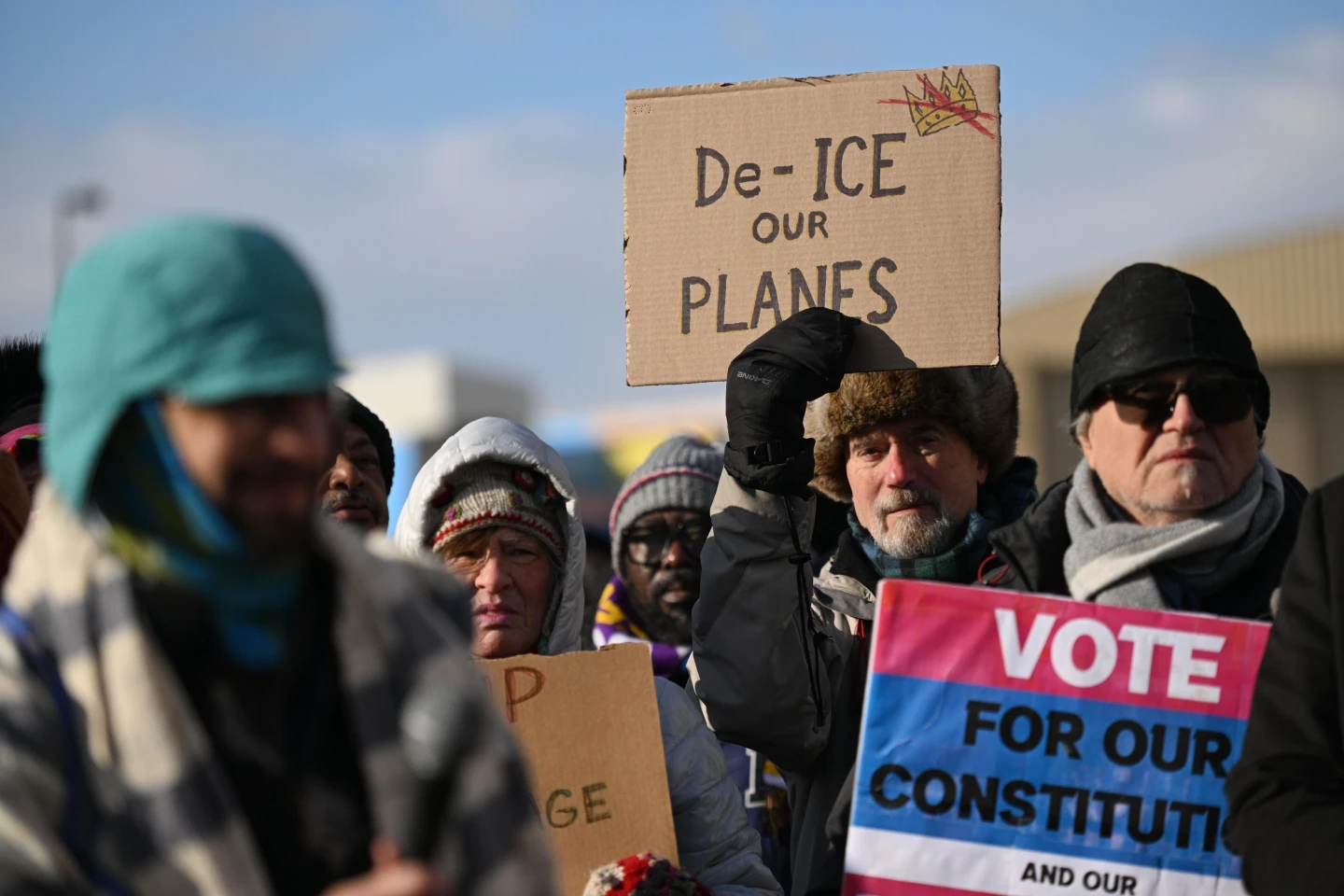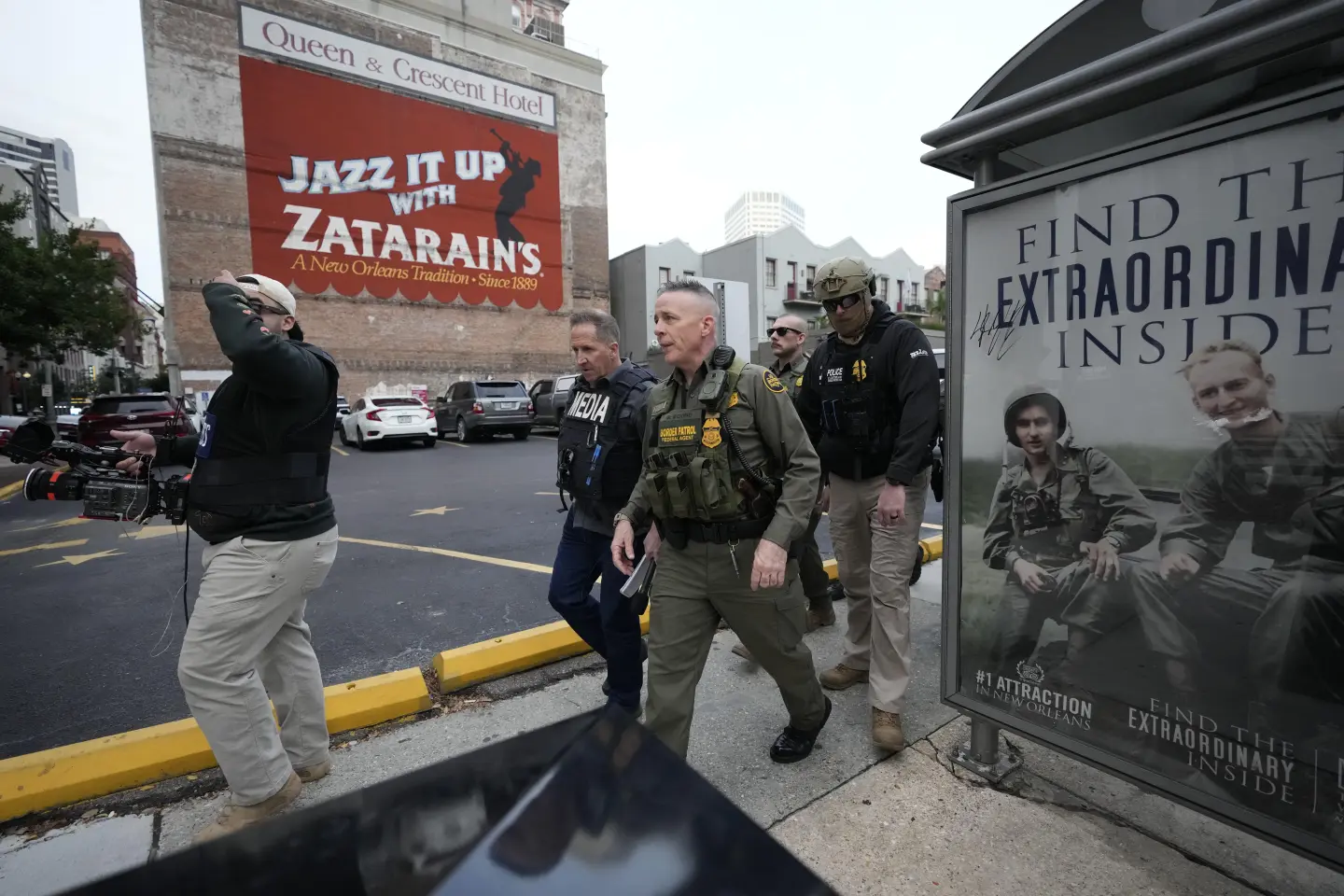
NEW ORLEANS (AP) — State and federal authorities are closely tracking online criticism and demonstrations against the immigration crackdown in New Orleans, monitoring message boards around the clock for threats to agents while compiling regular updates on public sentiment surrounding the arrests.
The intelligence gathering comes even as officials have released few details about the first arrests made last week as part of Catahoula Crunch, prompting calls for greater transparency from local officials who say they've been kept in the dark about virtually every aspect of the operation.
Online opinions remain mixed, with some supporting the operations while others oppose them. Earlier bulletins noted a combination of groups urging the public to record ICE and Border Patrol and provide additional locations where agents can find immigrants.
Immigration authorities insist the sweeps target criminal illegal aliens. However, criminal histories detailed in law enforcement records indicate that less than a third of the 38 people arrested in the first two days had significant prior offenses.
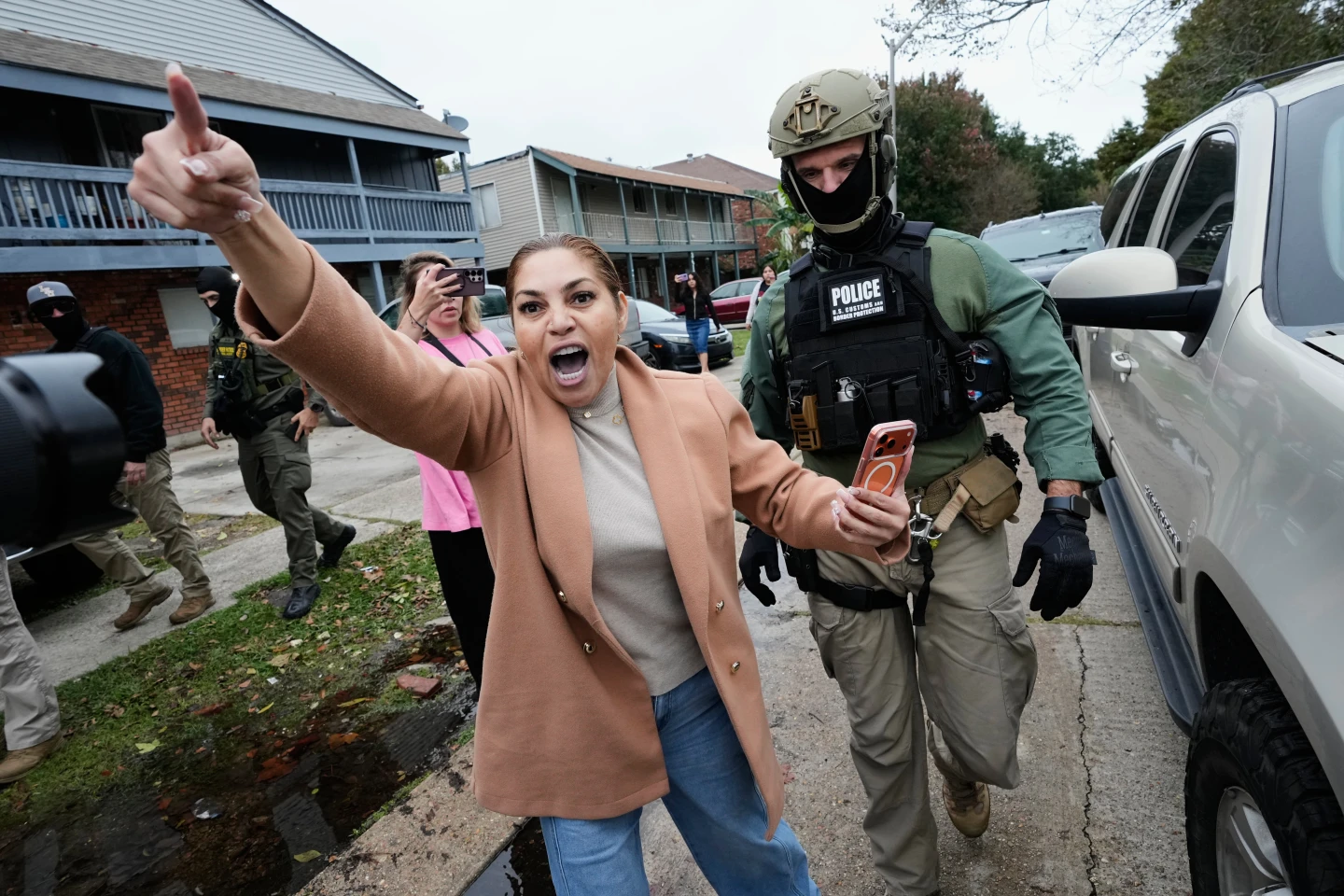
Local leaders argue that the crackdown appears to be a dragnet focused indiscriminately on individuals based on their appearance rather than legitimate criminal history, citing videos showing agents pursuing a U.S. citizen in a grocery store encounter.
If the goal was to pursue violent criminals, why wouldn't you be more transparent about who you've arrested and why? questioned New Orleans City Council President J.P. Morrell.
The U.S. Department of Homeland Security did not respond to requests for clarification about the operation's methodology and targets.
Despite claiming to focus on violent offenders, records reviewed by AP suggest that only a small number of individuals arrested had histories that aligned with those stated objectives. Additionally, there have been reports of online surveillance that raise concerns about chilling free speech while authorities prepare to charge individuals obstructing immigration enforcement.
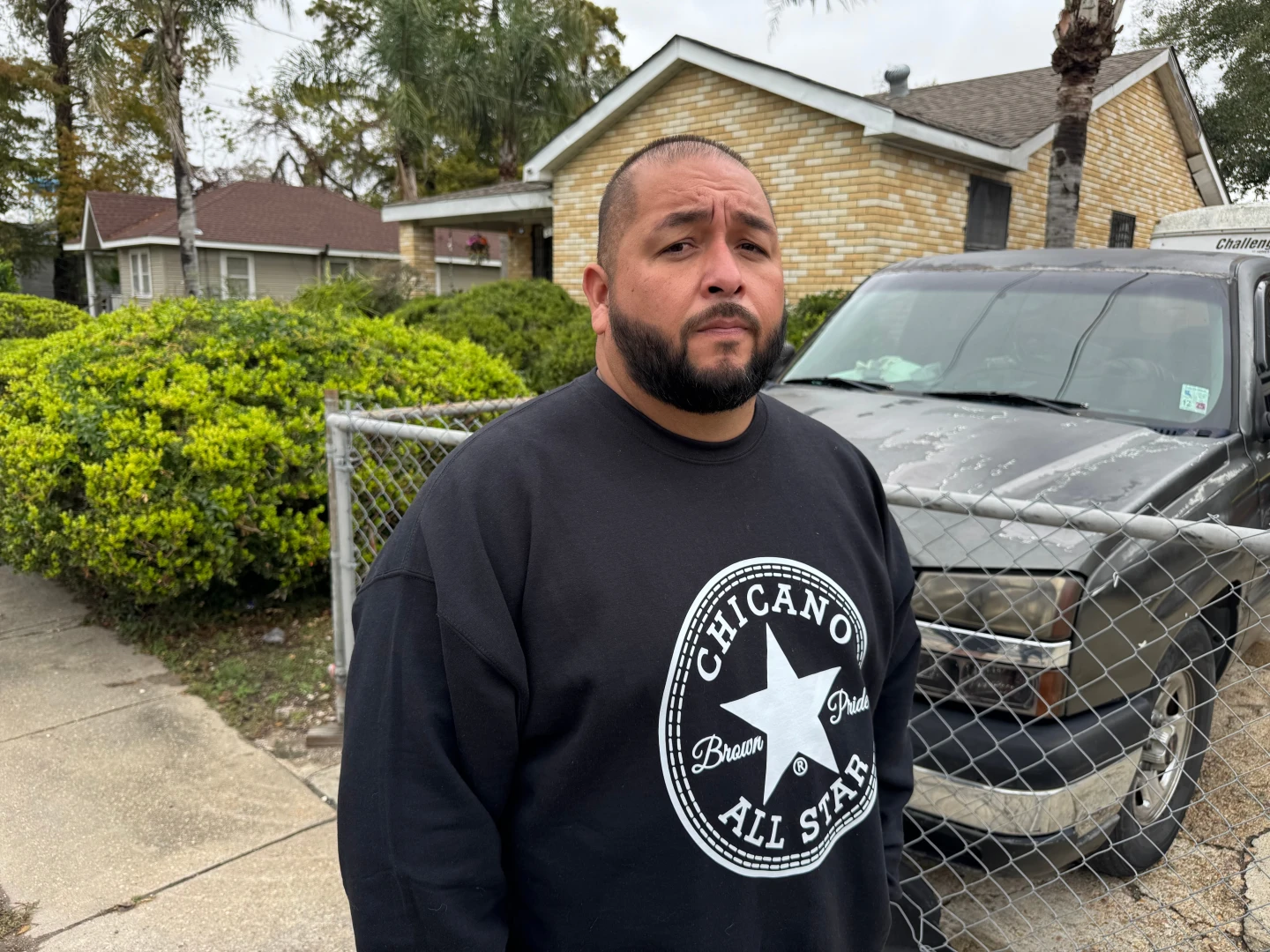
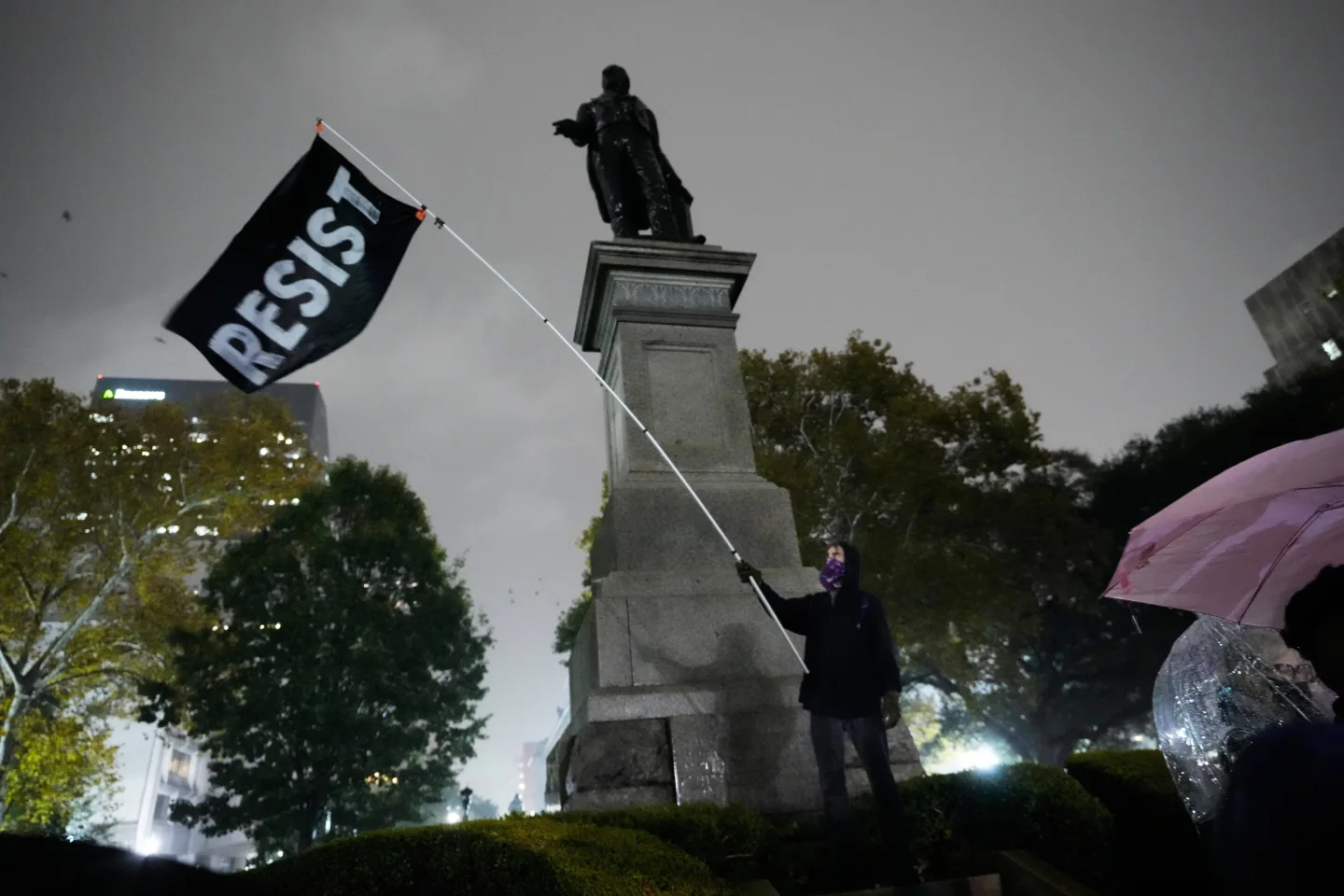
As the situation evolves, agencies like the FBI and Customs and Border Protection monitor discussions on social media, detecting public distrust and accusations of racial profiling, especially concerning Hispanic neighborhoods. Activists continue to organize protests, fueled by concerns over the aggressive tactics witnessed during the ongoing crackdown.
They can monitor me all they want, said Rachel Taber, an organizer with Union Migrante. We are not doing anything illegal.