In brief
In a provocative twist on traditional nativity scenes, churches in Illinois and Massachusetts have replaced the Christ child with striking symbols of contemporary issues, particularly immigration enforcement. These displays, which depict the Holy Family as refugees, are sparking debates on the intersection of faith and politics. Supporters argue that they emphasize the realities faced by many families today, while critics deem the representations sacrilegious. The controversy highlights a significant cultural and religious divide over how sacred symbols should engage with today's societal challenges.
As Christmas approaches, innovative nativity scenes in Illinois and Massachusetts are causing a stir, creatively reinterpreting the story of Christ’s birth amidst rising immigration enforcement. Outside the Urban Village Church in Chicago, a sign reads: 'Due to ICE activity in our community, the Holy Family is in hiding.' This is one of many displays aimed at connecting the ancient biblical narrative with contemporary issues faced by many immigrants today.
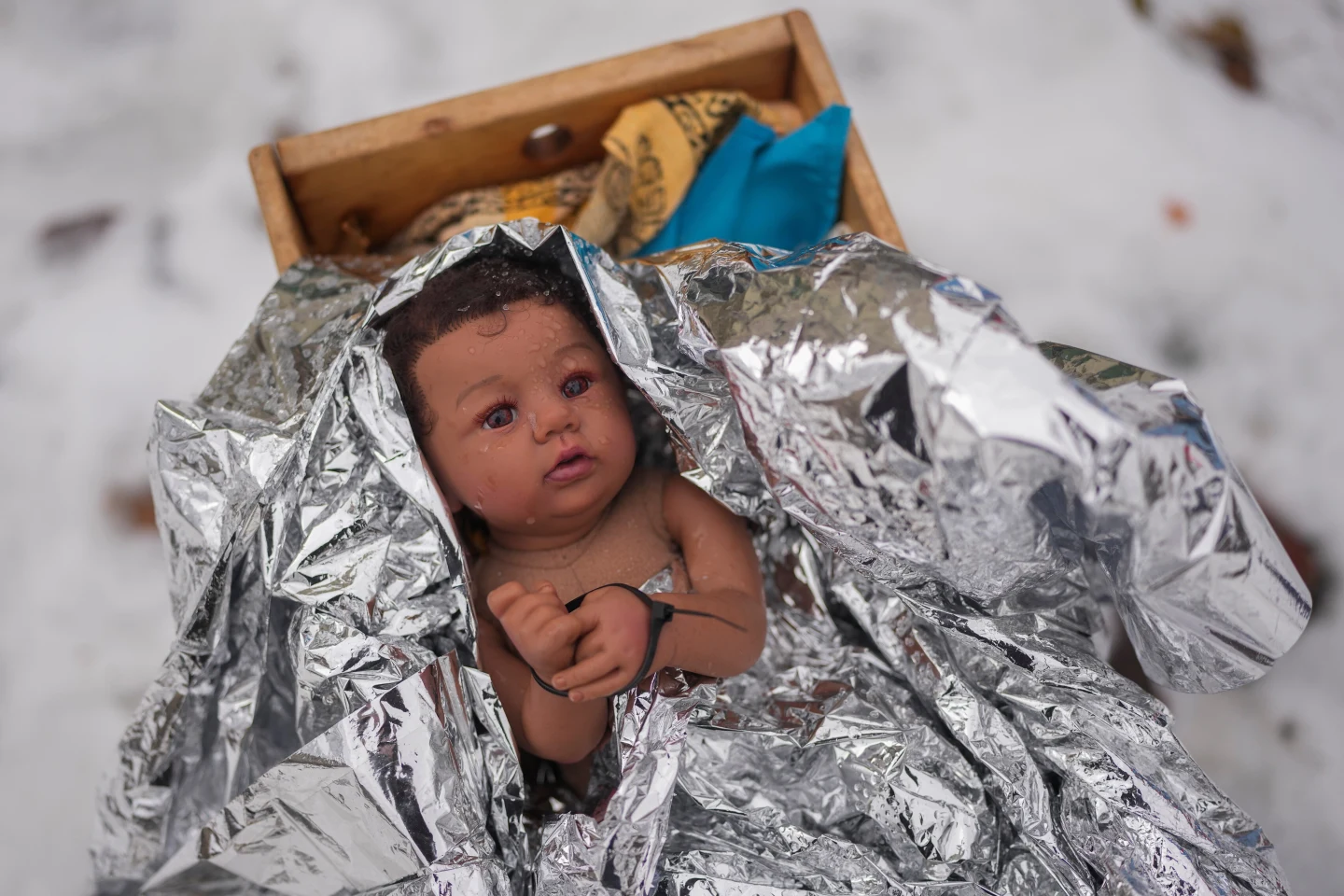
In Evanston, Illinois, one display features the baby Jesus wrapped in a silver emergency blanket, reflecting the plight of those affected by immigration policies under the Trump administration. Critics argue that such interpretations are sacrilegious and politically divisive, calling for churches to maintain spiritual integrity without delving into political matters. The Archdiocese of Boston has ordered the removal of certain displays, emphasizing the need for genuine worship opportunities devoid of political agendas.
Supporters of these displays contend that the nativity scenes speak to the real fears and experiences of their community members, many of whom are living in constant fear of separation from their families due to immigration enforcement actions. These creative expressions have garnered both praise for their boldness and backlash from those who feel the faith-based messages have been compromised for political commentary.
The displays are not mere political stunts, according to church leaders. They represent ongoing discussions around faith, community, and human rights, drawing attention to the urgent realities that many face. Past displays have included images representing various global crises, attempting to ignite conversation and provoke thought during a season traditionally centered on hope and remembrance.
While the conversations these displays foster can lead to conflict, they also prompt important reflections on the responsibilities of faith communities in today's climate. As religious leaders navigate the complexities of their messages, the debate continues over the appropriate balance of faith, politics, and societal commentary.