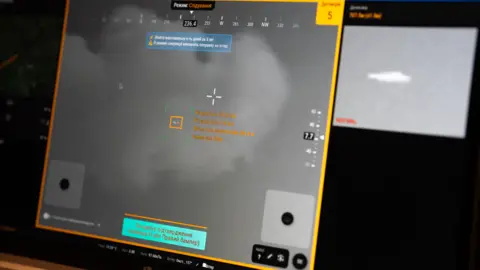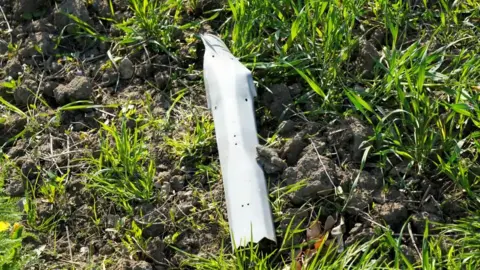
Estonia has said a NATO fighter jet shot down a drone, which it suspects was a Ukrainian projectile knocked off course by Russian electronic jamming, over its territory. Defence Minister Hanno Pevkur confirmed that a Romanian F-16 fired a missile, resulting in drone debris falling in a marshy area in central Estonia. Fortunately, no damage was reported.
In a rapid response, Ukraine reacted by accusing Russia of deliberately redirecting Ukrainian drones launched at legitimate military targets within Russia, extending apologies to both Estonia and the Baltic nations for the unintended incident.
Currently, Russia has yet to comment on this occurrence, which adds to the recent pattern of drone incursions experienced by NATO member countries, specifically Estonia, Latvia, and Lithuania. Just last week, Latvian Prime Minister Evika Silina resigned due to a political crisis stemming from similar incidents involving stray Ukrainian drones.
On the same day as the shooting down of the drone, Pevkur stated that the incident occurred shortly after 12:00 local time, tracking the drone even before it entered Estonian airspace thanks to early warnings from Latvia. The Estonian defense ministry then reported that it was engaging with Romanian fighter jets as part of the Baltic air policing mission when the drone was neutralized.
Local witnesses reported hearing a loud bang as the drone fell from the sky and crash-landed approximately 30 meters from the nearest residential area. Images surfaced showing fragments of the downed craft in a forested area.
In the backdrop of this incident is the growing scrutiny and tension regarding drone activities involving Ukraine and Russia. Ukraine's Foreign Ministry and various media outlets have indicated a surge in drone offensives aimed at Russian targets, with potential implications for the geopolitical stability of the Baltic region.
Moscow has suggested that the Baltic states are facilitating Ukrainian attacks against its territory, a claim that has been firmly denied by officials in Estonia, Latvia, and Lithuania, emphasizing their non-permission for use of airspace for such endeavors. As the conflict escalates, this incident mirrors a broader narrative of provocation and military preparedness in Eastern Europe.
In a rapid response, Ukraine reacted by accusing Russia of deliberately redirecting Ukrainian drones launched at legitimate military targets within Russia, extending apologies to both Estonia and the Baltic nations for the unintended incident.
Currently, Russia has yet to comment on this occurrence, which adds to the recent pattern of drone incursions experienced by NATO member countries, specifically Estonia, Latvia, and Lithuania. Just last week, Latvian Prime Minister Evika Silina resigned due to a political crisis stemming from similar incidents involving stray Ukrainian drones.
On the same day as the shooting down of the drone, Pevkur stated that the incident occurred shortly after 12:00 local time, tracking the drone even before it entered Estonian airspace thanks to early warnings from Latvia. The Estonian defense ministry then reported that it was engaging with Romanian fighter jets as part of the Baltic air policing mission when the drone was neutralized.
Local witnesses reported hearing a loud bang as the drone fell from the sky and crash-landed approximately 30 meters from the nearest residential area. Images surfaced showing fragments of the downed craft in a forested area.
In the backdrop of this incident is the growing scrutiny and tension regarding drone activities involving Ukraine and Russia. Ukraine's Foreign Ministry and various media outlets have indicated a surge in drone offensives aimed at Russian targets, with potential implications for the geopolitical stability of the Baltic region.
Moscow has suggested that the Baltic states are facilitating Ukrainian attacks against its territory, a claim that has been firmly denied by officials in Estonia, Latvia, and Lithuania, emphasizing their non-permission for use of airspace for such endeavors. As the conflict escalates, this incident mirrors a broader narrative of provocation and military preparedness in Eastern Europe.