In brief
The plight of children like the Masri cousins underscores the struggle for family reunification in Gaza, where thousands are left orphaned or separated due to ongoing violence. Organizations like Unicef are working tirelessly, but challenges abound as families cope with loss, trauma, and an uncertain future.
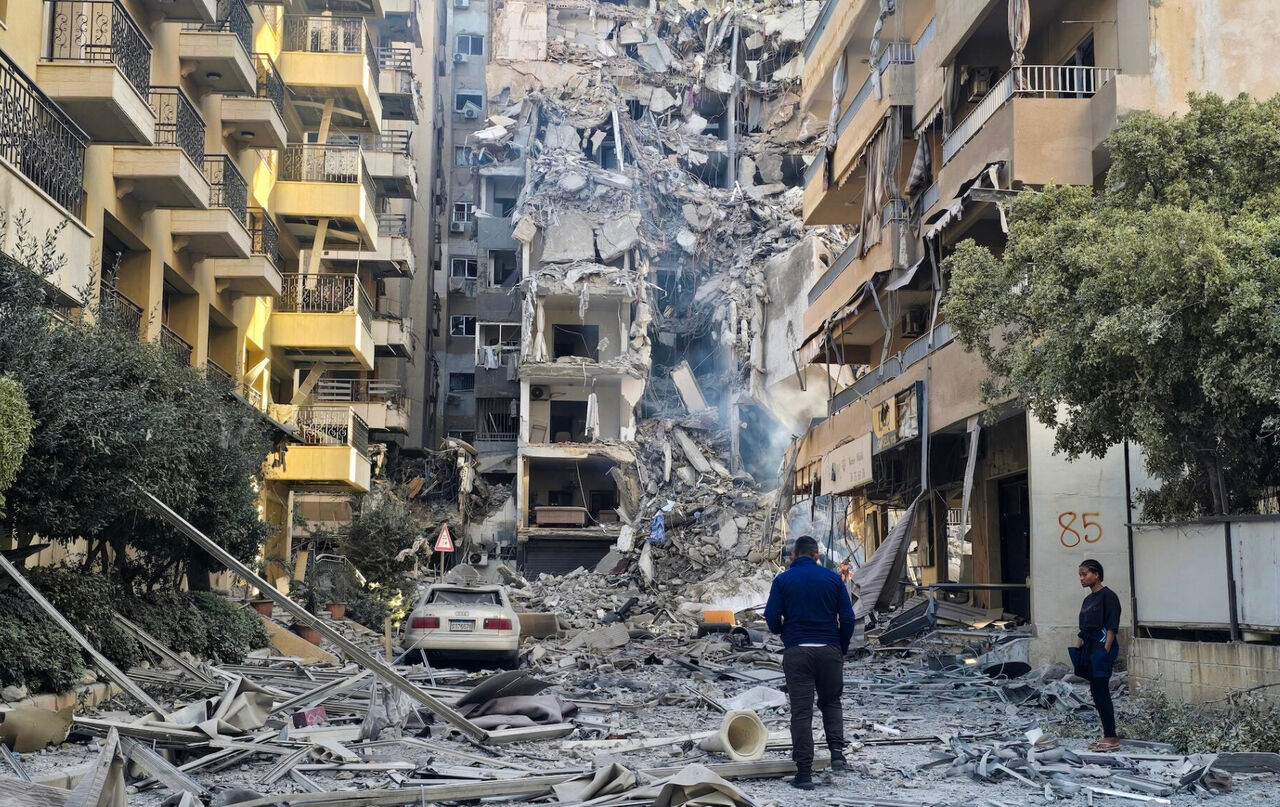
Empty LineThe devastating impact of the conflict in Gaza is highlighted by the challenging efforts to reunite children with their families. The Masri family is among those who have endured harrowing experiences; their home in Beit Lahia was destroyed by an Israeli airstrike, claiming the lives of the parents of one-year-old Jamal and other relatives. Their grandmother, Kawther al-Masri, recounts the perilous circumstances the children faced, stating, "Their lives were in danger; they were exposed to so much killing and destruction."Since the violent outbreak in Gaza, more than 14,500 children have reportedly lost their lives, while tens of thousands more have been injured or separated from caregivers. In this chaotic context, Unicef has managed to reunite only 63 children with their families, a figure that starkly contrasts with the scale of the crisis. Kawther reflects on the bittersweet nature of their reunion, noting the weight of grief that came with it, "They came back without their parents."After a harrowing wait, her prayers were answered when she learned that three of her grandchildren survived, and she was determined to reunite with them. The process of transferring the children involved navigating through military checkpoints, which complicates humanitarian efforts. Unicef's Rosalia Bollen acknowledges the multiple challenges they face: "These children are highly vulnerable."The Masri cousins were initially cared for by distant relatives after their traumatic separation. Once reunited, Kawther shared her emotional experience of seeing the children for the first time in 14 months. "I didn't know who to hug first!" she exclaimed. The joy of their return is marred by the stark reality of their loss, as they are left without parents to guide and care for them.As the conflict persists, countless families have been torn apart. Over a million residents were ordered to evacuate northern Gaza shortly after the conflict escalated, which forced Kawther's family to divide, resulting in many losing contact with loved ones. The arrest of family members like Hamza al-Masri further complicates the heart-wrenching situation, with uncertainty looming over their fate.The International Committee of the Red Cross is inundated with requests for assistance, attempting to trace missing families amidst the turmoil. Yet, of the thousands of cases reported, only around 2,100 have been resolved, highlighting the dire predicament that many families face as they search for their loved ones.Meanwhile, the existence of unaccompanied children like the newborn recently delivered after her mother’s death encapsulates the depth of suffering endured. Medical staff tirelessly strive to connect such infants with remaining family members, yet the emotional toll on these families is immeasurable.The Masri family now resides in a tent at the al-Mawasi displaced people's camp, symbolizing the harsh realities of life in the midst of war. While receiving some support from Unicef, Kawther remains deeply concerned for the psychological well-being of her grandchildren. "They are in shock," she asserts, revealing her worries about their nightmares and fears.Kawther's hopes are pinned on a ceasefire, yearning for peace that would enable her grandchildren to heal and reclaim their childhood. She refuses to accept the idea of them becoming part of a "lost generation" forever marked by the devastation of conflict.