In brief
In a significant legal decision, U.S. District Judge Katherine Menendez confirmed that Minnesota can maintain its programs granting in-state tuition and scholarships to immigrants without legal status. The ruling dismissed a lawsuit from the Department of Justice, which argued that these benefits discriminated against U.S. citizens. Menendez stated that the Justice Department failed to prove discrimination and noted that state law applies equally to all students who graduate from Minnesota high schools after three years, regardless of their immigration status. This ruling also aligns Minnesota with several other states that provide similar advantages to undocumented students.
A Minnesota federal judge affirmed on Friday that public universities in the state can continue to offer in-state tuition and scholarships to certain immigrants without legal status. The ruling came as a dismissal of a lawsuit filed last summer by the Department of Justice, which sought to halt these educational programs.
Judge Katherine Menendez, writing the decision, stated that the federal government had failed to demonstrate that providing in-state tuition for non-citizen students was discriminatory towards U.S. citizens. The Justice Department had claimed that Minnesota's law unfairly favors undocumented immigrants over citizens who did not attend high school in the state for three consecutive years, thereby being excluded from the same financial benefits.
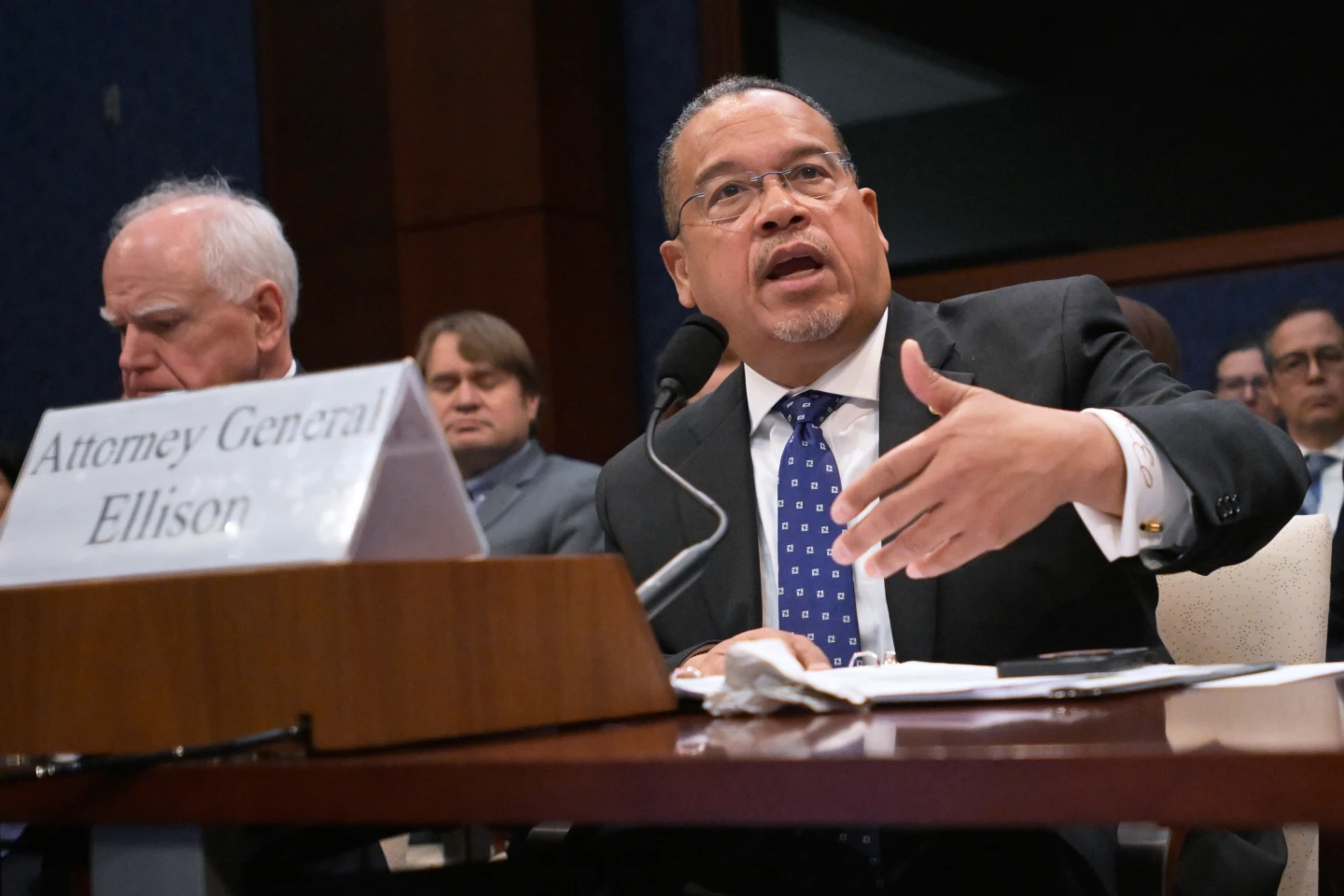
The lawsuit named Democratic Governor Tim Walz, Attorney General Keith Ellison, and the state’s Office of Higher Education as defendants. The federal authorities argued that state laws which permit in-state tuition for undocumented immigrants blatantly breach federal legislation prohibiting states from providing preferential treatment to illegal immigrants.
Despite this federal claim, Judge Menendez highlighted that the law passed during Bill Clinton's administration grants equal access to benefits for those who have graduated from Minnesota high schools, irrespective of their immigration status. Additionally, she determined that the Justice Department lacked the standing to sue, as the state Attorney General and Governor do not have the authority to modify the laws governing tuition eligibility.
Following the ruling, Ellison celebrated the outcome as a victory against what he characterized as ill-advised federal actions aimed at undermining Minnesota's inclusive policies. He stated: “Today, we defeated another one of Donald Trump’s efforts to misconstrue federal law.”
Moreover, the opposition from the Justice Department, which has initiated similar lawsuits in other states like Kentucky and Texas, raised questions about the future of tuition equality for undocumented students nationwide. Currently, at least 22 states and the District of Columbia provide in-state tuition benefits, with numerous regions offering scholarships as well, aiming to foster an educated workforce regardless of immigration status.