In brief
As tensions escalate over federal immigration enforcement, state and local governments are actively resisting plans to establish new ICE detention facilities in their communities. Recent incidents, including fatal shootings linked to ICE actions, have spurred public opposition and legal actions across multiple states, with communities pushing back through ordinances and legislative measures to block new detention centers.
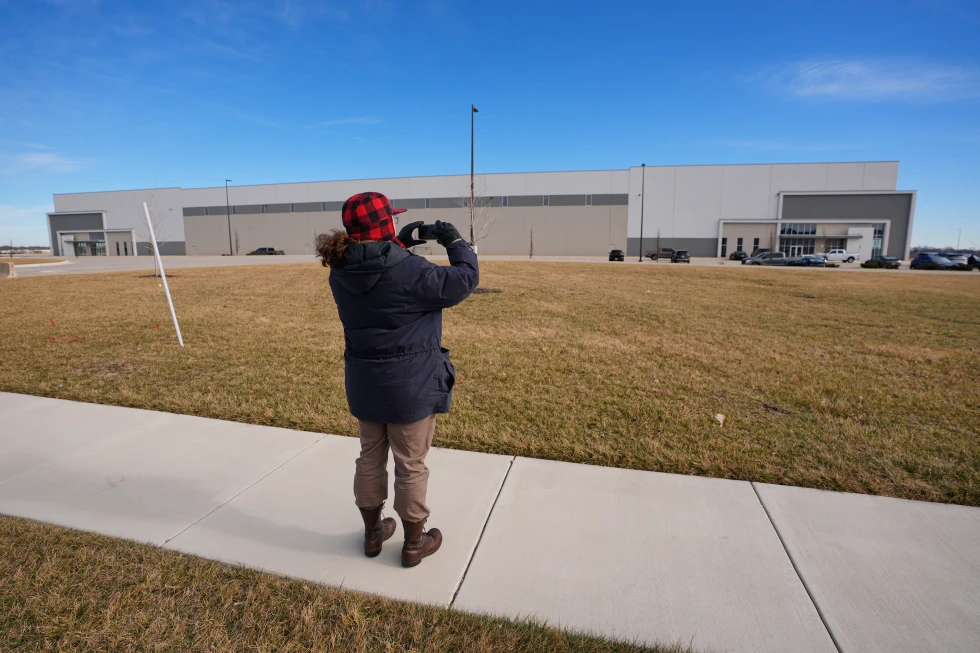
In light of heightened tensions surrounding federal immigration enforcement, local officials are mounting significant resistance against President Donald Trump's administration's plans to house thousands of detained immigrants. These plans often involve converting warehouses, utilizing privately operated facilities, and county jails.
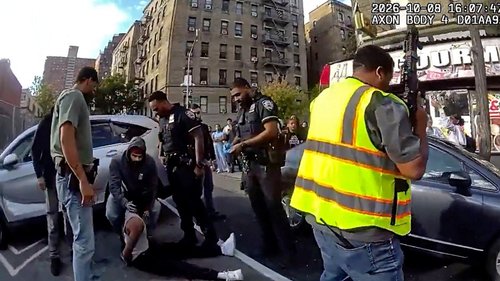
Federal agencies have been searching for suitable locations across the U.S., as part of a massive $45 billion expansion of detention facilities funded by the recent tax-cutting law. Scrutiny has intensified due to the recent fatal shootings of Renee Good and Alex Pretti during ICE enforcement actions, raising serious concerns about the implications of these detention sites.
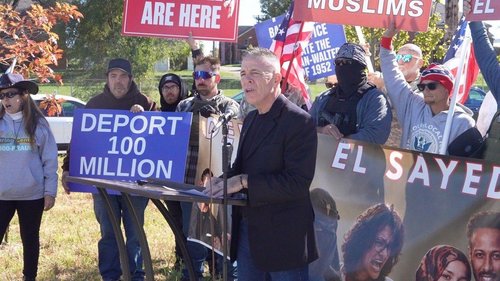
A proposed facility just north of Richmond, Virginia, drew hundreds of residents to voiced their opposition at a public hearing, with local leader Kimberly Matthews articulating a common concern: You want what’s happening in Minnesota to go down in our own backyard? Build that detention center here, and that’s exactly what will happen.
In Kansas City, local lawmakers swiftly moved to enact an ordinance to prevent the establishment of a detention site after ICE officials toured a potential location. Similarly, mayors in Oklahoma City and Salt Lake City declared property owners will not facilitate these facilities due to community pushback.
Moreover, legislative efforts have emerged in Democratic-led states aimed at sabotaging or discouraging ICE installations. New Mexico recently forwarded a bill targeting local agreements with ICE, while California proposed imposing a substantial tax on profits from companies operating ICE facilities in the state.
Notably, the numbers associated with ICE's detention operations have ballooned, with more than 70,000 immigrants detained as of December, an increase from 40,000 since Trump took office. By early 2023, ICE was using around 212 detention sites, a near doubling from previous figures. The administration indicates it is committed to expanding these facilities despite significant legal hurdles.
Troublingly, it has been observed that several local governments may face limitations to impede federal immigration policies. While they can opt out of leasing to ICE, businesses may still operate detention centers unchecked by local regulations. Court rulings have reinforced that federal powers often supersede local laws designed to restrict such activities.
As local officials continue to navigate both legal and political landscapes, communities are left grappling with the potential ramifications of new ICE facilities. The consistent pushback seen recently suggests a deepening divide over immigration enforcement practices, reflecting broader national sentiments on the matter.