In brief
Bangladesh’s measles epidemic has escalated rapidly, forcing hospitals in Mymensingh to double‑their bed capacity for 130 patients in 32 rooms. Experts blame a political shift and vaccine procurement delays after the 2024 protests, coupled with post‑COVID shortages and halted mass campaigns. Emergency jabs launched in April have inoculated 18.4 million children, yet daily cases hover at about 1,000 and deaths continue. The crisis mirrors outbreaks in the UK and the US, underscoring the need for global vaccination support.
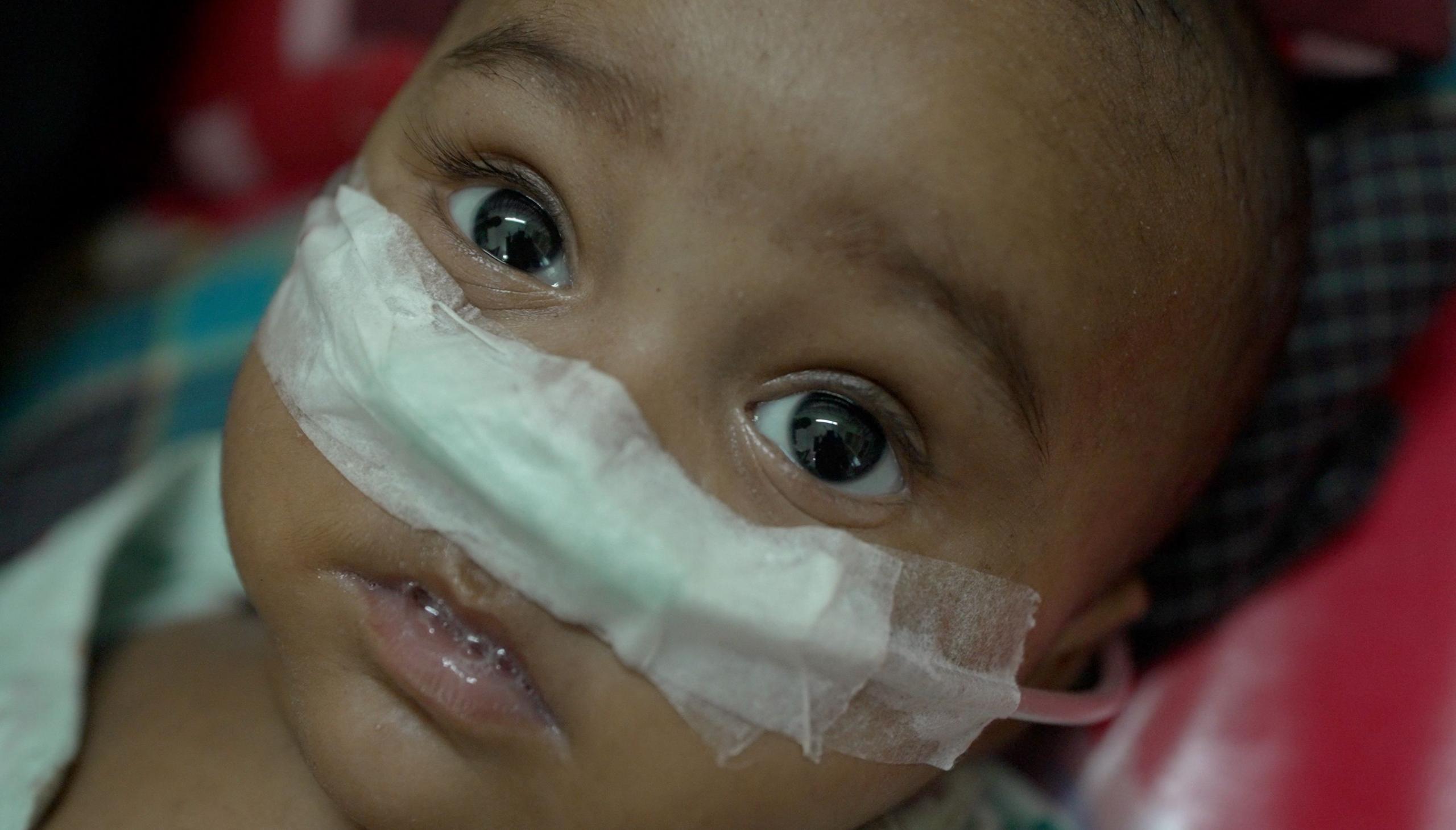
In the cramped wards of Mymensingh’s Medical College Hospital, doctors witness more than 130 patients—mostly children—filled into 32 rooms that normally host far fewer. A child named Arafat, now deceased, illustrates the tragedy as doctors cut a feeding tube across his nose with white tape to keep him alive.
The scale of the outbreak is stark: since March, government officials report nearly 750 deaths, most of them under five, while the United Nations designates the figure as a conservative estimate. UNICEF warns that the true toll is likely higher due to under‑reporting and an overwhelmed health system.
Experts link the surge to a “perfect storm” of vaccine supply issues. Political upheaval in 2024 toppled the long‑standing administration; interim leader Muhammad Yunus delayed procurement in favour of new vendors, and the re‑structuring of funding pathways left stockrooms empty. COVID‑related disruptions have also halted routine measles‑rubella campaigns that ran since 2020, creating a herd immunity gap.
In the wake of the crisis, Bangladesh surged an emergency vaccination campaign in April, inoculating more than 18.4 million children. Despite the rollout, hospitals still record roughly 1,000 suspected cases per day, with multiple fatalities occurring daily.
Global parallels exist— the United Kingdom lost its measles‑elimination status this year after a spike, and the United States has seen rising cases since 2016. Both nations fall short of the 95 % vaccination threshold required for herd immunity.
The human cost is tangible. A 10‑month‑old child, Maliha, travelled for a routine vaccine only to find none available. She later faced pneumonia and a rash, then had to wait hours for a hospital bed, before ultimately dying. Her mother, Mosammat Nila Akhter, recounts the heart‑wracking days as she watched her child’s fever refuse to subside.
Health Minister Sardar Hossain acknowledges the strain but stresses that the capacity is “comparatively low” and residual pressure is expected as the population exceeds 170 million. Public health analyst Mushtuq Husain cautions that the true scale is a “tip of the iceberg” and demands a more urgent response.
As the outbreak continues, Bangladesh’s story underscores the vulnerability of vaccine programmes to political and logistical disruptions. The international community’s swift mobilisation of vaccines remains critical to curb further loss of life.